First 5 Minutes After Someone Has A Severe Panic-Like Episode: How To Tell If It's An Emergency

A racing heart. A tight chest. Shaking hands and a feeling that something terrible is about to happen. A panic attack can look frightening to everyone around. It can also look very much like a heart attack.
So, what should you do in the first five minutes? Check for red flags first. If you see any, or you are unsure, call 112 or 108. This article is part of our First 5 Minutes series on medical emergencies. If there are none, stay with the person, speak calmly and guide slow breathing. Here is the full plan from a psychiatrist.
Is a Panic Attack an Emergency?
Dr Murali Krishna, Visiting Consultant, Psychiatry and Counselling Services, Aster RV Hospital, Bangalore, says, “A panic attack can feel exactly like a heart attack. If you cannot tell the difference, treat it as an emergency and call for help. It is much safer to be wrong about a panic attack than to miss a heart attack.”
Why Does a Panic Attack Feel So Alarming?
Dr Krishna explains, “The brain’s alarm centre, the amygdala, fires when it senses danger, even if there is none.”
- The body floods with adrenaline, the “fight or flight” hormone. The heart races, muscles tense and sweating starts.
- Fast breathing blows off too much carbon dioxide. This causes tingling, dizziness, chest tightness and a feeling of unreality.
- The brain reads these signals as more proof of danger, which feeds the panic.
- The attack usually peaks within about 10 minutes and fades within 20 to 30 minutes.
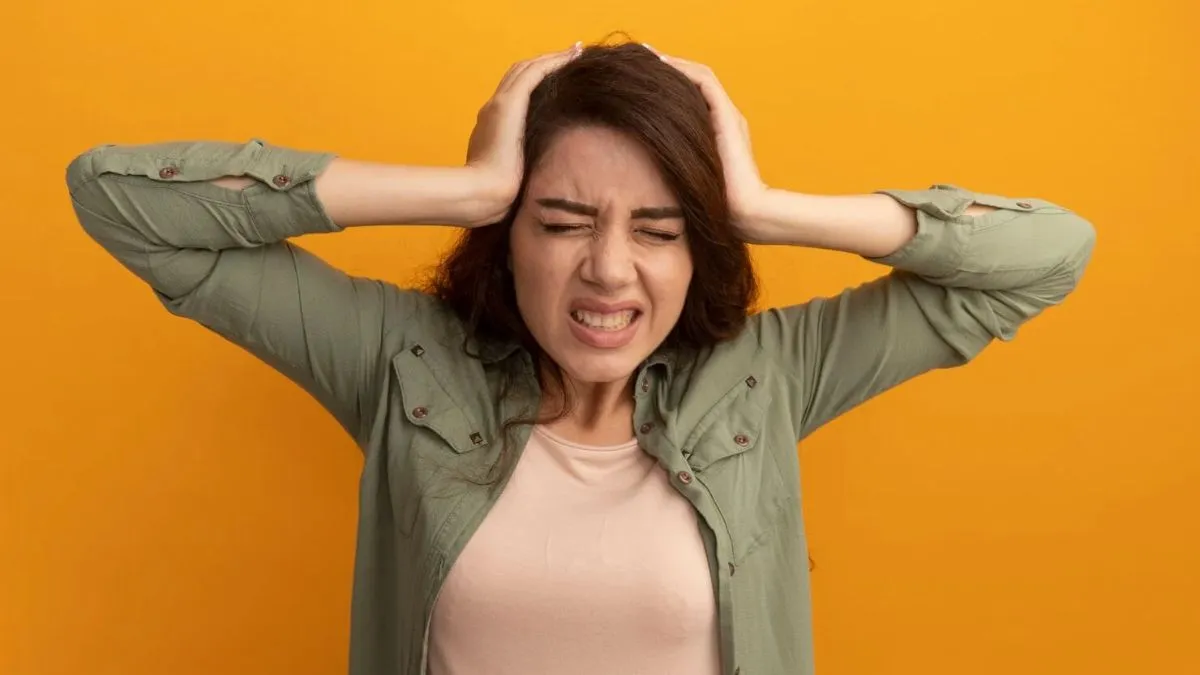 Panic Attack emergency 5 minutes
Minute 1: Check for Red Flags and Call 112 or 108
- “Call 112 or 108 straight away if you notice any of these,” says Dr Krishna.
- Chest pain or pressure that spreads to the arm, jaw, neck or back
- Pain that began with exertion, or does not change with breathing
- Fainting, confusion, or a sudden severe headache
- Weakness on one side, a drooping face or slurred speech
- Severe breathlessness, wheezing or blue lips
- Symptoms that last longer than 20 to 30 minutes, or keep getting worse
- A first-ever episode, especially after age 40, or in someone with heart disease, high blood pressure, diabetes or a family history of heart problems
- Signs of overdose, intoxication or very low blood sugar
- Talk of self-harm or ending their life
Dr Krishna says, “There is overlap, so do not rely on a checklist alone.” Studies agree. A 2023 study in the Eurasian Journal of Critical Care reviewed 136 panic attack patients at a Turkish emergency department.
Thirty-two had chest pain with no heart cause. The authors noted that chest pain occurs in 22 to 70 per cent of panic attack patients, and that doctors must first rule out heart attack. The study was small and looked back at records.
Minutes 2 to 5: How to Help Someone During a Panic Attack
If there are no red flags, Dr Krishna says, “Stay with them. Being alone makes panic worse.”
- Move to a quiet, safe spot and sit them down.
- Speak slowly. Say, “You are safe. I am here. This will pass.”
- Guide breathing. Breathe in through the nose for about four counts, then out slowly through the mouth for about six. Do it with them.
- Try grounding. Ask them to name five things they see, four they can touch, three they hear, two they smell and one they taste.
- Give them time. Do not rush them or argue with the fear.
- Keep watching. If any red flag appears, call for help.
What to Avoid During a Panic Attack
“Do not say ‘calm down’ or ‘it is all in your head’,” says Dr Krishna.
- Do not breathe into a paper bag, which can lower oxygen levels.
- Do not leave them alone.
- Do not give medicines that are not prescribed to them.
- Do not crowd them or ask many questions.
- Do not assume it is only panic when symptoms are new or unusual.
What Happens After a Panic Attack?
Dr Krishna says, “Suggest they see a doctor, even if it seemed like panic. A check-up can rule out heart, thyroid and other causes.”
The person may feel drained, shaky or embarrassed. Offer water, rest and kindness. If episodes keep coming back, it may be panic disorder, which is common and treatable. Treatment includes cognitive behavioural therapy, medicines such as SSRIs and lifestyle steps like less caffeine, alcohol and nicotine.
When to See a Doctor After a Panic-Like Episode
Dr Krishna advises seeing a doctor:
- After a first panic-like episode
- If attacks keep happening, or you avoid places out of fear
- If you have trouble sleeping, or constant worry
- If you ever have thoughts of self-harm. In India, Tele-MANAS offers free mental health support on 14416 or 1800 891 4416.
ALSO READ- First 5 Minutes After a Heart Attack: What to Do Before the Ambulance Arrives
Conclusion
Dr Krishna says, “A panic attack is frightening but not dangerous, and it passes. But because it can look like a heart attack, call emergency help if there are red flags or you are unsure.” Stay with the person, guide slow breathing and encourage a check-up afterwards.
FAQ
1. Can a Panic Attack Trigger a Heart Attack?
It is uncommon, but stress hormones can raise the risk of a heart event in people who already have heart disease. If you have heart risk factors, get checked after any panic-like episode.2. Can You Have a Panic Attack in Your Sleep?
Yes. Some people wake suddenly with a racing heart, fear and breathlessness. The same rules apply. Use the red-flag list, and see a doctor if it keeps happening.
All possible measures have been taken to ensure accuracy, reliability, timeliness and authenticity of the information; however Onlymyhealth.com does not take any liability for the same. Using any information provided by the website is solely at the viewers’ discretion. In case of any medical exigencies/ persistent health issues, we advise you to seek a qualified medical practitioner before putting to use any advice/tips given by our team or any third party in form of answers/comments on the above mentioned website.
How we keep this article up to date:
We work with experts and keep a close eye on the latest in health and wellness. Whenever there is a new research or helpful information, we update our articles with accurate and useful advice.
-
Current Version
Nov 18, 2026 16:54 IST
Published By : Vivek Kumar
Reviewed By : Dr Murali Krishna