
During puberty, teens experience many changes in their bodies and hormones that can affect growth over the next several years. So what they eat during this time will impact them. Nutrition is a leading actor in helping the young body cope with a lot of change, from bone development to muscle building and brain function.
Read on to know about some of the best foods for use during the pubescent years, their importance and who should be mindful.
Why Nutrition Matters So Much During Puberty
Veena V, Chief Clinical Dietician & HOD, Department of Clinical Nutrition and Dietetics at Aster Whitefield, Bangalore, elaborates on how nutrition plays a crucial role during puberty, a time of rapid growth and change of hormones. “A nutritious diet provides the nutrients necessary to promote bone growth, muscle development, brain function and overall health,” she adds.
During this period, having a diverse diet of nutrient-rich foods aids in fulfilling the body's nutritional requirements and contributes to good growth in general.
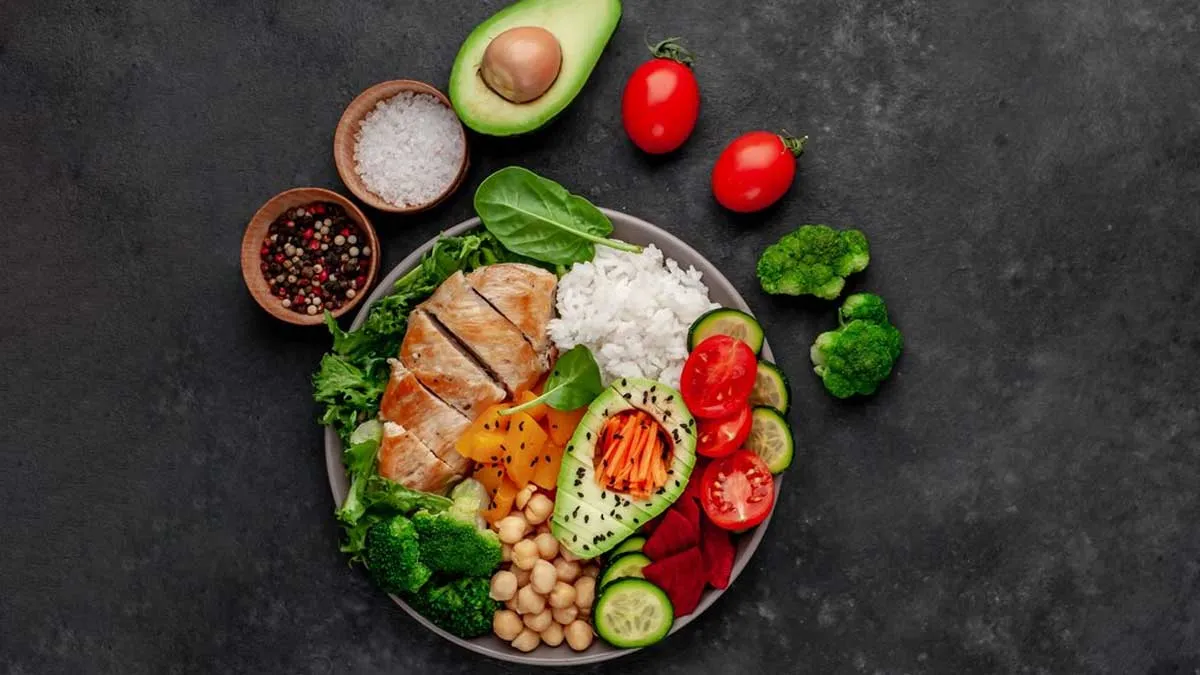 Food as Medicine: Expert Explains How Nutrition Impacts Health and Disease Prevention | OnlyMyHealth
According to a review published in Acta Bio Medica, nutrition is one of the most important factors affecting pubertal development, with rising needs for energy, protein, and micronutrients to keep up with rapid growth, changing body composition, and higher activity levels. The review also notes that good nutrition helps puberty begin and progress at the right time, while serious malnutrition can delay it. Eating well during this stage truly does support healthy, timely growth.
ALSO READ- Do Overweight Girls Get Their Periods Sooner? Here Is What Expert Say
Best Foods to Include During Puberty

There is no "magic food" for growing teenagers; it is the diversity of different foods. Veena V offers a few suggestions on the food groups that should be added to a teenager's diet:
- Milk, yoghurt, and cheese
- Eggs, skinless chicken and fish
- Lentils, beans, chickpeas and soya products
- Whole grains, oats, and brown rice
- Fruits and Leafy Green Vegetables
- Broccoli and carrots
- Nuts, seeds and avocados
- Healthy oils such as olive oil
She says that foods rich in calcium, iron and vitamin D are particularly important because they aid in the development of bones and overall growth. Drinking plenty of water and decreasing the amount of highly processed foods help to improve health during this phase.
How These Foods Support Growth and Development
Each food group brings something different to the table during puberty. Eggs, fish, dairy products, beans, and lean meats are rich in protein, and it plays a vital role in developing muscle, repairing body tissue and making hormones. Calcium and vitamin D, which are found in dairy products, fortified foods and some fish, strengthen bones and teeth when growth is strongest.
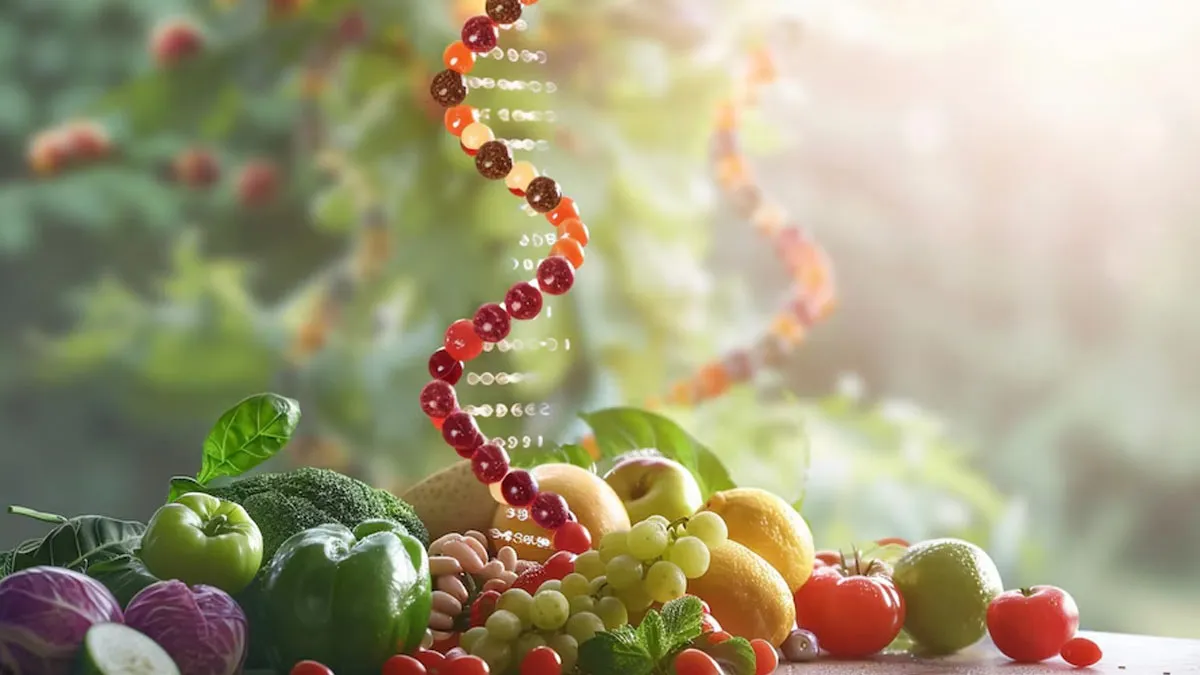
Another nutrient to keep an eye on is iron. Iron deficiency is quite common during adolescence, and foods such as lentils, spinach, beans and lean meats are good sources of iron that help to develop healthy red blood cells, Veena V said. Meanwhile, whole grains, fruits and vegetables contain fibre, vitamins and antioxidants that help maintain a steady daily energy level, boost immunity and improve digestion.
Healthy fats are another important factor not to forget. Nuts, seeds, avocados, and oily fish are good for brain development, hormone production and assist in the absorption of fat-soluble vitamins. These foods, together, offer the nutrition for good physical, cognitive and emotional development during puberty.
Who Should Be Cautious With These Foods?
Although most of these foods are good for healthy adolescents, a few may have to make dietary changes because of allergies or medical conditions. Here are some tips from Veena V:
- Lactose-free dairy or lactose-fortified plant-based milk may be required for those who are milk-allergic or lactose intolerant.
- Seeds or avocados are good sources of healthy fats for teenagers who are nut-allergic.
- With a fish or egg allergy, these can be substituted with legumes, soy or poultry if tolerated.
- Instead of wheat grains, encourage coeliac adolescents to choose whole grains that are gluten-free.
ALSO READ- 5 Essential Healthcare Habits Every Girl Should Follow During Puberty
People with chronic kidney disease or other health concerns that restrict what they can eat should consult a health care professional or registered dietitian so they can continue eating a nutritious diet while taking into account their diet restrictions.
Eating right during puberty is not a diet program; it's a consistent, varied diet that heeds the body's needs. Most teens can grow naturally and healthfully with the right foods on the plate.
FAQ
1. What is the most important nutrient during puberty?
Some of the most important include protein, calcium, vitamin D, iron and healthy fats, which aid in bone development, muscle growth, hormone production and brain function during this period of rapid transformation.2. Can teenagers with food allergies still get enough nutrients during puberty?
Yes. If a teenager has allergies or a medical condition, his or her nutritional requirements can be satisfied by using appropriate alternatives, with the advice of a healthcare provider or registered dietitian.
All possible measures have been taken to ensure accuracy, reliability, timeliness and authenticity of the information; however Onlymyhealth.com does not take any liability for the same. Using any information provided by the website is solely at the viewers’ discretion. In case of any medical exigencies/ persistent health issues, we advise you to seek a qualified medical practitioner before putting to use any advice/tips given by our team or any third party in form of answers/comments on the above mentioned website.
How we keep this article up to date:
We work with experts and keep a close eye on the latest in health and wellness. Whenever there is a new research or helpful information, we update our articles with accurate and useful advice.
-
Current Version
Jul 09, 2026 15:24 IST
Modified By : Vivek Kumar Jul 09, 2026 15:24 IST
Modified By : Vivek KumarJul 09, 2026 15:24 IST
Published By : Vivek Kumar