
Michael Jackson is in the news again because of the new biopic, ‘Michael’. With the release, people are talking about his music and life. Among many topics, they are also talking about his skin colour. Many believed that he changed his skin colour on purpose. However, that is not true. He was diagnosed with vitiligo, and he also reportedly dealt with lupus, two autoimmune conditions that affect the body in very different ways. To know more about the condition, we reached out to an expert.
What Caused Michael Jackson’s Skin Colour Change?
Michael Jackson Viltigo is still one of the worst case of vitiligo ever recorded pic.twitter.com/JsOXlGoATj
— Momo🥵🇨🇦 (@Momoreoluwaa) May 2, 2026
Michael Jackson’s visible skin transformation was due to vitiligo. It is a condition that leads to loss of skin pigment. As the disorder progressed, lighter patches spread across his body. To even out his appearance, he used makeup and medical treatments.
Dr Pushpa Gnanaraj, Senior Consultant Dermatology, Apollo Speciality Hospitals, Vanagaram, Chennai, explains, “Vitiligo and lupus are autoimmune disorders that affect the skin, thereby leading to misconceptions regarding the similarity between the two. Although they share a dysfunctional immune response, they affect the body very differently.”
What Is Vitiligo? A Condition That Affects Skin Pigment
Vitiligo occurs when the immune system mistakenly attacks melanocytes. These cells give colour to the skin. This results in patches on different parts of the body.
Dr Gnanaraj says, "It affects one to two per cent of people around the world. Famous people like Winnie Harlow and Michael Jackson had it. It is not painful, and it does not make you sick. It just affects the colour of your skin."
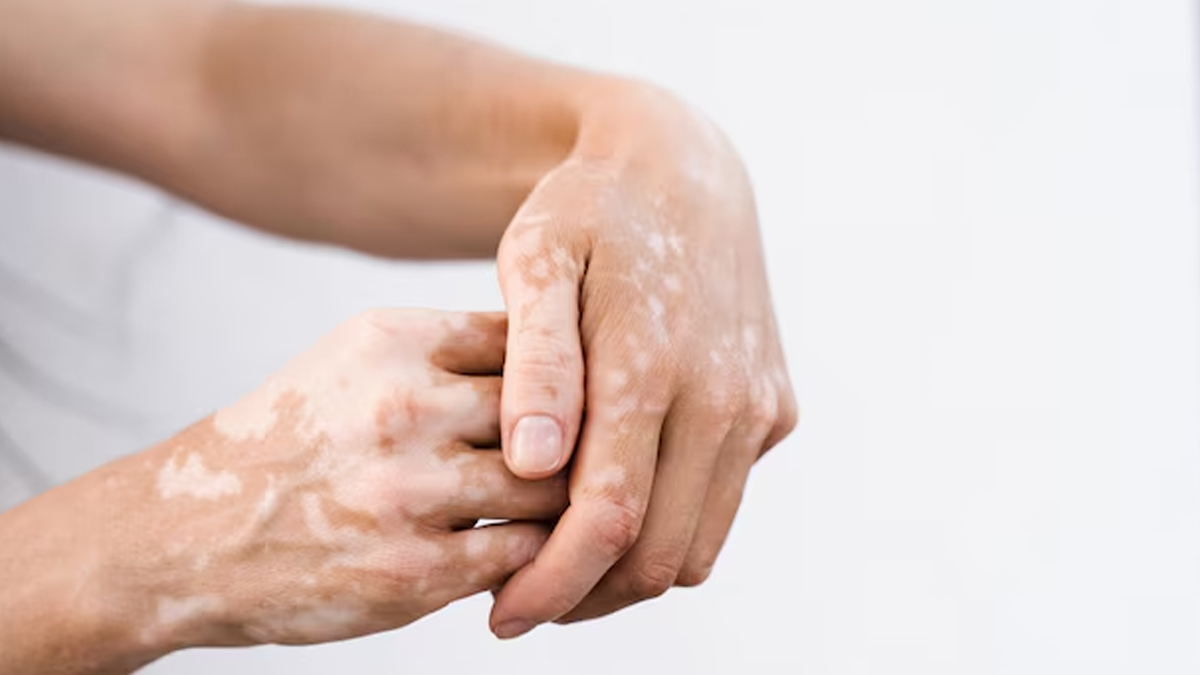
While Vitiligo does not hurt your body, it can make you feel bad about how you look. A 2025 study published in Frontiers in Immunology analysed over 3,400 research publications spanning two decades and found that vitiligo affects up to 2% of the global population.
The study traced how treatments have evolved, moving away from steroids and basic phototherapy towards smarter, immune-targeted therapies, marking a significant shift in how dermatologists now approach the condition.
ALSO READ- Sunscreen Spray Vs Lotion – Which Is More Effective In Summer?
What Is Lupus? A Complex Autoimmune Disease
Unlike vitiligo, lupus is a systemic condition that affects your skin, joints, kidneys, heart and lungs. Dr Gnanaraj says, "Lupus is a health problem. People who have it can feel tired, have pain and get sick easily. If it is not treated, it can cause problems."

Lupus can make your skin look bad. You can get a rash on your face and other parts of your body. It is not just a skin problem. It can affect parts of your body and make you very sick. To treat lupus, one might require treatment options such as antimalarials, immunosuppressants, and steroids, along with lifestyle changes.
Can Someone Have Both Conditions?
Yes, it is possible to have both vitiligo and lupus. Dr Gnanaraj says if you have one health problem, you are more likely to get another one.
Although the situation is rare, if you have vitiligo and you start to feel tired or experience pain, you should consult a doctor.
The key difference that matters
The most important distinction lies in how these conditions affect health. Vitiligo is largely a cosmetic condition that changes appearance but does not harm internal organs. Lupus, on the other hand, can have serious, life-threatening consequences if not managed properly.
Early diagnosis and regular medical follow-up are essential for both. As Dr Gnanaraj highlights, timely care can greatly improve quality of life, especially in conditions like lupus, where complications can be severe.
Treatment and Management
The approaches to managing these two conditions differ significantly. Vitiligo may be treated with light therapy, and corticosteroids which can help reverse pigmentation loss.
On the other hand, Lupus requires a more intensive course, often involving antimalarials, immunosuppressants, steroids, and lifestyle modifications. The treatment depends on the organs affected.
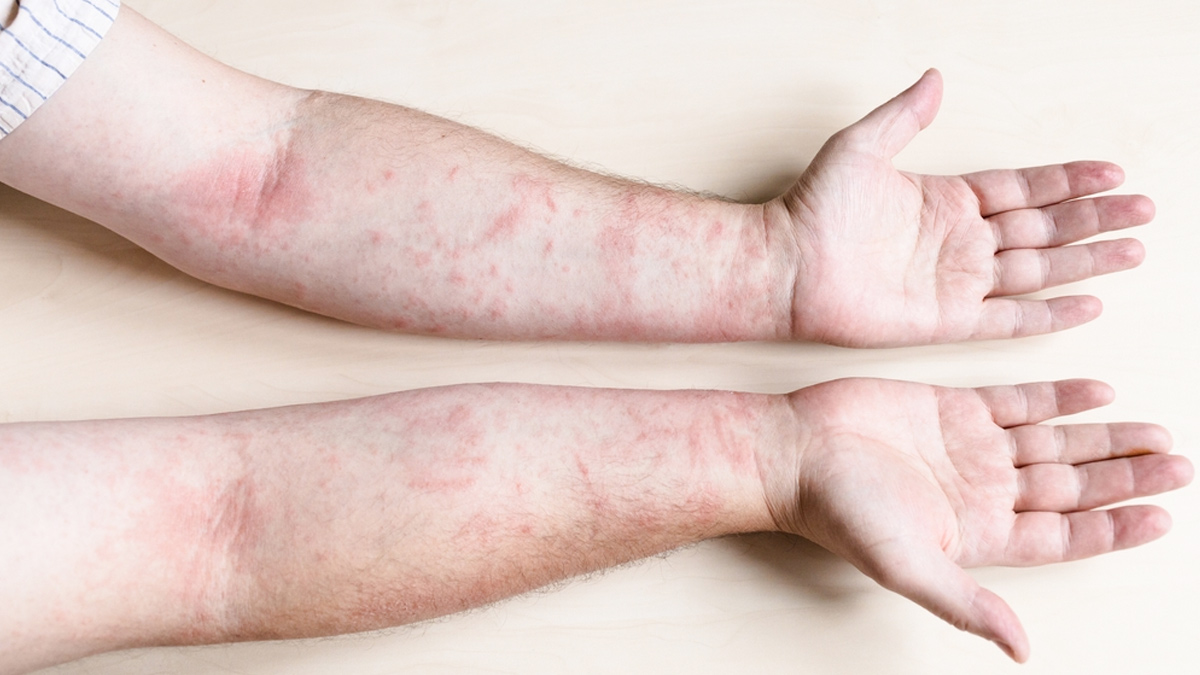
As Dr Gnanaraj adds, "Vitiligo is primarily a cosmetic concern that impacts quality of life through changes in appearance. Lupus, on the other hand, is a serious medical illness requiring constant attention and monitoring. Early diagnosis and adequate treatment are essential for both, but lupus carries far more severe health implications."
ALSO READ- Pigmentation in Indian Skin Is Harder to Treat, Dermatologist Shares Reasons and Possible Treatment
Conclusion
In the end, contrary to the assumptions, Michael Jackson’s changing skin colour was not about choice or cosmetic alteration. It was a result of underlying skin conditions. Understanding the difference between vitiligo and lupus helps dispel long-standing myths.
All possible measures have been taken to ensure accuracy, reliability, timeliness and authenticity of the information; however Onlymyhealth.com does not take any liability for the same. Using any information provided by the website is solely at the viewers’ discretion. In case of any medical exigencies/ persistent health issues, we advise you to seek a qualified medical practitioner before putting to use any advice/tips given by our team or any third party in form of answers/comments on the above mentioned website.
How we keep this article up to date:
We work with experts and keep a close eye on the latest in health and wellness. Whenever there is a new research or helpful information, we update our articles with accurate and useful advice.
-
Current Version
May 04, 2026 13:00 IST
Modified By : Vivek Kumar May 04, 2026 13:00 IST
Modified By : Vivek KumarMay 04, 2026 13:00 IST
Published By : Vivek Kumar