
Managing diabetes often starts with choosing the right foods. One useful method is understanding the glycaemic index (GI), which shows how quickly foods raise blood sugar levels. Low GI foods release sugar slowly, helping maintain steady energy and prevent sudden spikes.
In the Indian diet, many everyday foods can support blood sugar control when chosen wisely. However, GI alone is not enough. Portion sizes, food combinations, and cooking methods also play an important role. Learning how to use low GI foods correctly can make daily diabetes management simpler and more effective.
What Is Glycaemic Index (GI) and Why Is It Important for Blood Sugar Control?
According to Dr Geetika Chopra, Celebrity Holistic Nutritionist, New Delhi, focusing only on GI numbers is not enough. She explains, “Many people focus only on GI, but portion size matters equally. A food may have a low GI but still raise blood sugar if eaten in excess.”
The glycaemic index, or GI, is a number that shows how fast a food raises blood sugar levels. Foods are ranked from 0 to 100. The higher the number, the faster the rise in blood sugar. Low GI foods have a GI of 55 or less. Medium GI foods have a GI between 56 and 69. High GI foods have a GI of 70 or more, and these foods can cause quick blood sugar spikes.
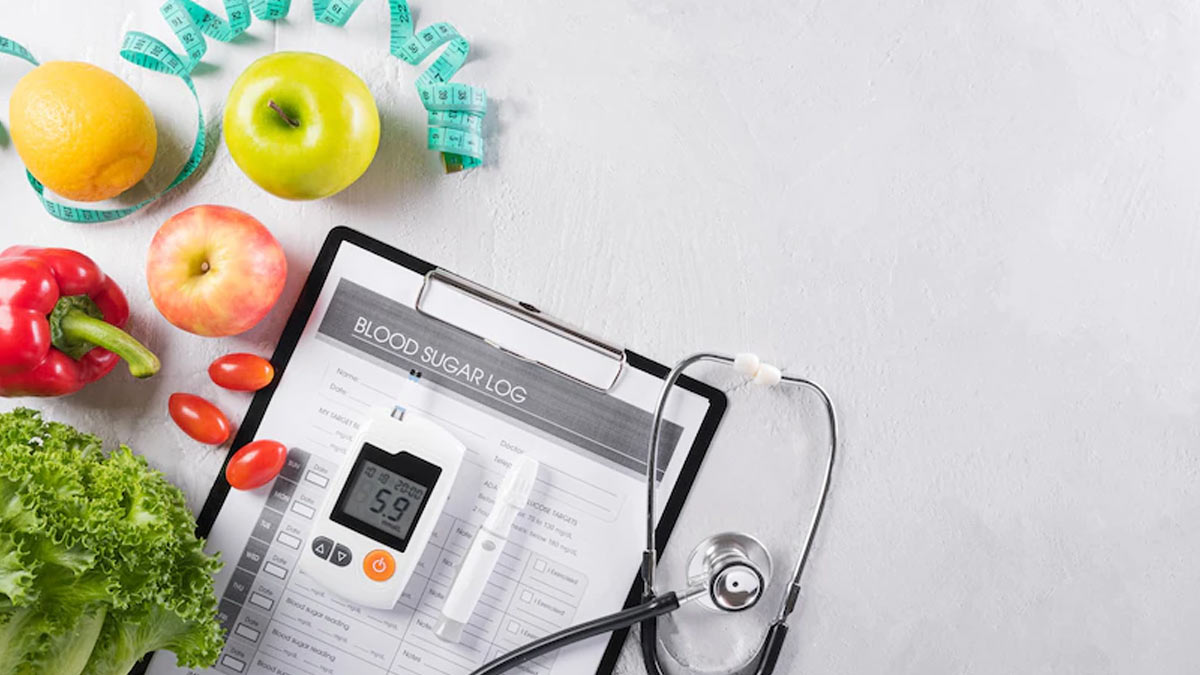
This is because of something called Glycaemic Load (GL), which considers both the GI value and the portion size. Even healthy foods like dal or nuts can raise blood sugar if eaten in large amounts.
For people with diabetes, controlling blood sugar swings is very important. Frequent spikes over time can increase the risk of complications such as heart disease, nerve damage, and kidney problems. Choosing low GI foods in the right amounts can help maintain stable glucose levels throughout the day.
A review published in 2021 in the journal BMJ studied the effect of low glycaemic index (GI) and glycaemic load (GL) diets on heart health, including blood pressure. The study reviewed 29 randomised controlled trials involving 1,617 adults with type 1 and type 2 diabetes. Researchers found that people who followed low GI or low GL diets showed small but meaningful reductions in systolic blood pressure along with improvements in blood sugar and cholesterol levels.
ALSO READ- Are Diabetes and Cholesterol Connected? Experts Weigh In
Complete List of Low Glycaemic Index Indian Foods with GI Values
Many traditional Indian foods naturally have low GI values. Including these foods regularly can support better blood sugar control.
Low GI Grains and Millets
- Barley (GI ~28)
- Oats (GI ~55)
- Brown rice (GI ~50)
- Ragi (finger millet)
- Bajra (pearl millet)
- Jowar (sorghum)
These grains release energy slowly and help prevent sudden hunger.
Low GI Pulses and Legumes
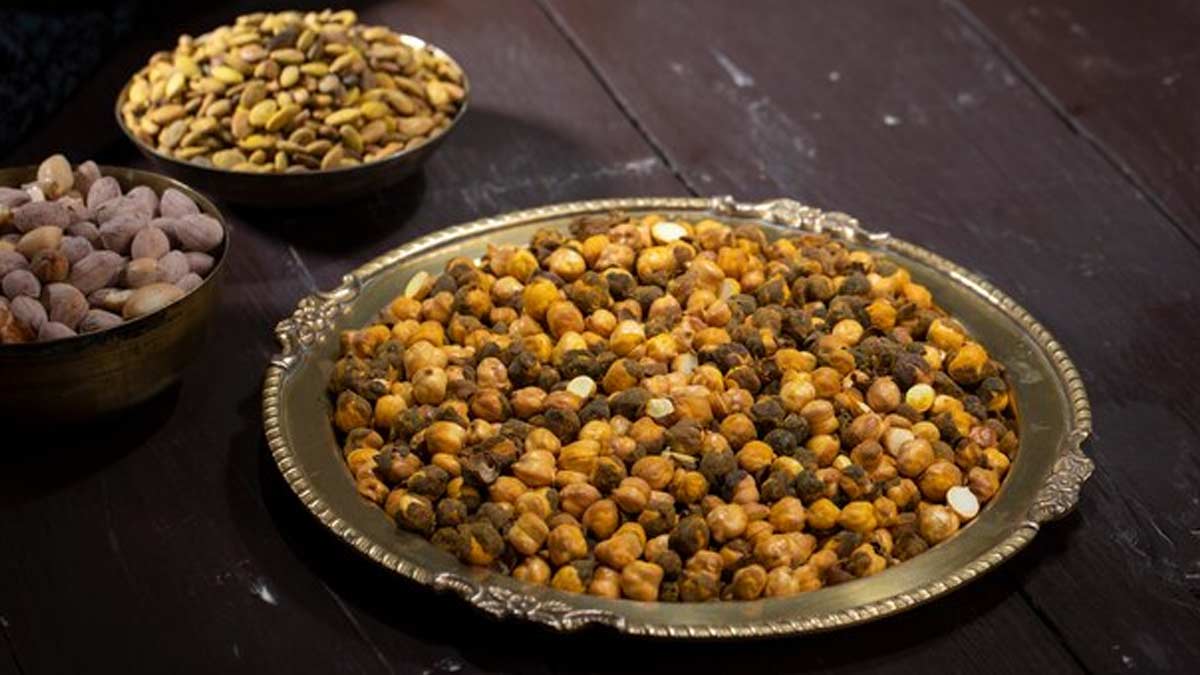
- Chickpeas (chana)
- Kidney beans (rajma)
- Lentils (masoor dal)
- Green gram (moong dal)
- Black gram (urad dal)
Most pulses have GI values between 30 and 40. They are rich in fibre and protein, making them ideal for diabetes-friendly meals.
Low GI Vegetables
- Spinach
- Cabbage
- Cauliflower
- Cucumber
- Bitter gourd (karela)
- Ladyfinger (bhindi)
These vegetables are rich in fibre and help slow glucose absorption.
Low GI Fruits
- Apples
- Pears
- Oranges
- Guava
- Berries
These fruits are better choices than highly sweet fruits.
Low GI Dairy Products
- Milk
- Curd
- Paneer
- Buttermilk
Protein-rich dairy foods help slow sugar absorption.
Nuts and Seeds
- Almonds
- Walnuts
- Flaxseeds
- Chia seeds
Although low in GI, these foods should be eaten in moderate portions.
As Dr Chopra notes, “Even healthy foods like dal, nuts, or seeds must be portion-controlled because quantity plays a major role in blood sugar response.”
Medium and High GI Indian Foods to Limit or Avoid
Some commonly eaten foods have medium or high GI values and should be eaten carefully.
Medium GI Foods
- White basmati rice
- Poha
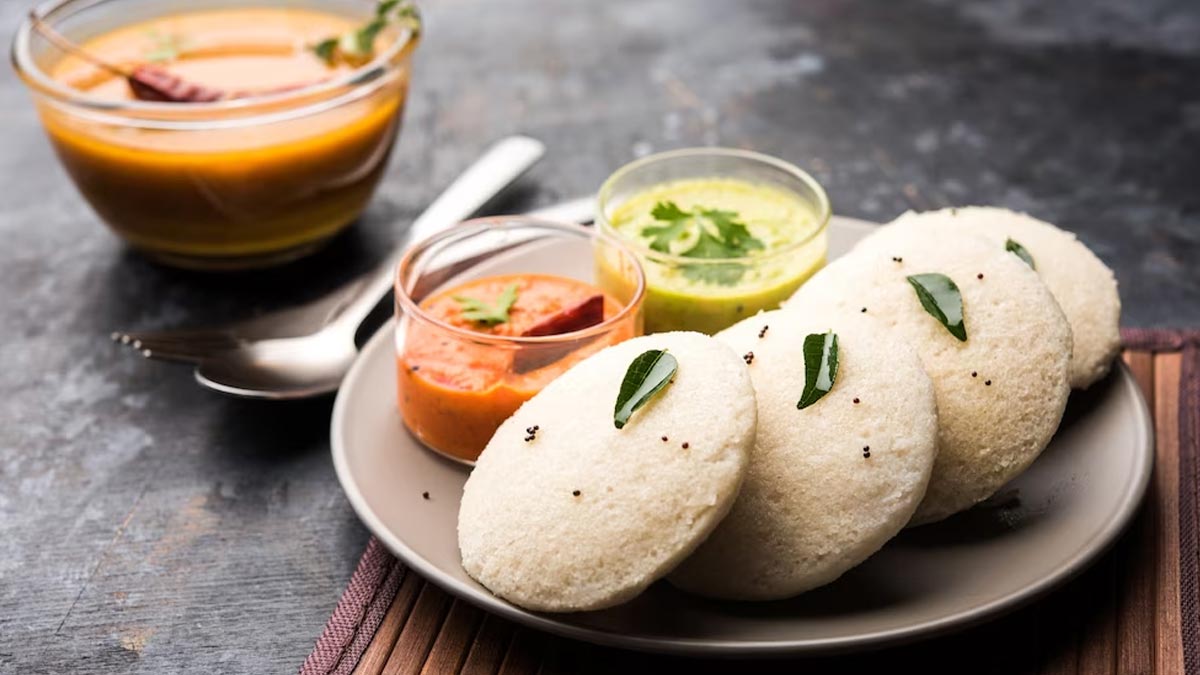
- Idli
- Sweet corn
These foods can be eaten occasionally but in smaller portions.
High GI Foods
- White bread
- Refined flour (maida) products
- Potatoes
- Sugary foods
- Indian sweets such as laddoos, jalebi, and gulab jamun
- Packaged snacks such as chips, biscuits, and sugary drinks can quickly raise blood sugar levels.
Instead of completely avoiding favourite foods, simple swaps can help. Replace white rice with brown rice or whole grains. Choose whole wheat roti instead of refined flour products.
Dr Chopra advises moderation rather than strict restriction. She explains that “making smarter substitutions and managing portions is often more sustainable than completely eliminating foods.”
ALSO READ- What Is Dietary Fibre and How Much Do You Really Need Each Day?
Best Low GI Indian Foods for People with Diabetes
Choosing the right foods at each meal helps maintain steady blood sugar levels.
Breakfast Options
- Vegetable oats
- Moong dal chilla
- Millet-based upma
These foods provide fibre and protein, which slow digestion. A 2024 study published in the journal Nutrients examined the glycaemic index and health benefits of commonly eaten Indian pulses, especially moong dal (green gram).
The researchers found that moong dal has a low glycaemic index, which means it raises blood sugar slowly after meals. This happens because moong dal is rich in dietary fibre, protein, and resistant starch, which slow down the digestion of carbohydrates.
Lunch and Dinner Options
Meals with whole wheat roti, dal, vegetables, and salad are suitable. Adding paneer or curd improves protein intake and keeps you full for longer.
- Healthy Snack Options
- Roasted chana
- Sprouts salad
- Nuts
- Vegetable sticks
- Healthy snacks prevent sudden hunger and reduce overeating later.
- Leafy vegetables, pulses, and whole grains should be included daily because they improve digestion and support steady blood sugar levels.
How to Plan Balanced Low Glycaemic Index Indian Meals
Planning meals correctly is just as important as choosing low GI foods. A balanced meal should include carbohydrates, protein, and fibre. This combination slows down sugar absorption.
Dr Geetika Chopra strongly recommends paying attention to the order in which foods are eaten. She explains, “For diabetic patients, the sequence of eating matters. Follow the ‘Fiber–Protein–Carb’ method. Start your meal with salad or vegetables, then eat protein like dal or paneer, and eat rice or roti at the end.”
This method helps reduce sudden glucose spikes because fibre and protein slow digestion before carbohydrates are absorbed. Cooking methods also affect GI. Avoid deep frying and overcooking foods. Steaming, boiling, and roasting are better options.
A 2020 study published in the journal International Journal of Environmental Research and Public Health examined the effects of low glycaemic index (GI) South Indian meals on people with type 2 diabetes. The study included 80 adults aged 35 to 65 years who were divided into two groups.
One group followed a meal plan based on low-GI South Indian recipes made with whole grains and traditional ingredients, while the other group continued their usual diet. The study lasted for 24 weeks (about 6 months). Researchers found that people who followed the low-GI Indian meal plan showed better blood sugar control and improvement in heart health risk factors compared to the control group.
Smart Cooking Tip: How Resistant Starch Can Lower the GI of Rice
Cooking techniques can change how foods affect blood sugar. Dr Chopra highlights a useful method related to resistant starch. She says, “Cooking rice, cooling it in the refrigerator, and reheating it later can lower its glycaemic impact. This process increases resistant starch, which slows glucose release.”
This simple method can make commonly eaten foods like rice more diabetes-friendly. Resistant starch behaves like fibre in the body. It slows digestion and reduces the speed at which glucose enters the bloodstream.
Sample Low Glycaemic Index Indian Meal Plan (1-Day)
A simple daily meal plan can help maintain stable blood sugar levels.
- Breakfast: Vegetable oats with curd or moong dal chilla
- Mid-morning Snack: One apple or a handful of almonds
- Lunch: Salad first, followed by dal and vegetables, then two whole wheat rotis
- Evening Snack: Roasted chana or sprouts salad
- Dinner: Brown rice with dal and sautéed vegetables
- Bedtime Snack: A glass of warm milk
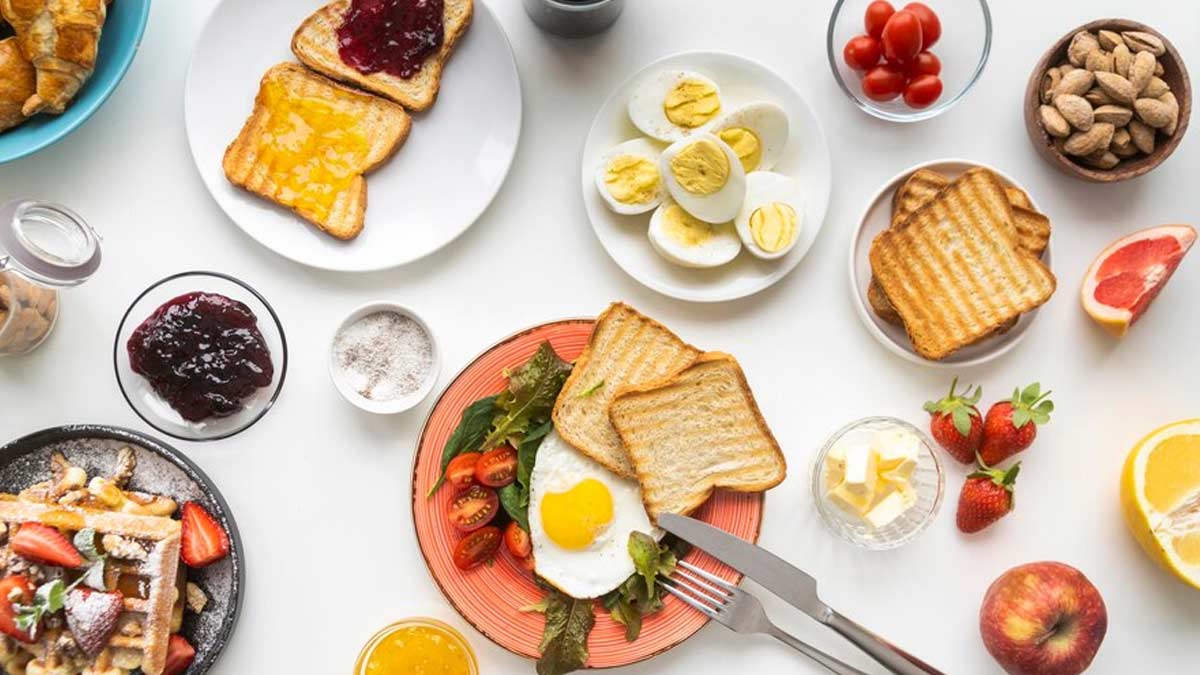
Following the fibre-first eating order, as suggested by Dr Chopra, can help reduce sudden sugar spikes after meals.
Tips to Lower the Glycaemic Index of Your Daily Meals
- Small daily changes can significantly improve blood sugar control.
- Choose whole grains instead of refined grains. Whole wheat, oats, and millets are healthier than white flour.
- Add fibre-rich foods such as vegetables, salads, and pulses to every meal.
- Pair carbohydrates with protein foods like paneer, curd, eggs, or dal. This slows sugar release.
- Avoid sugary drinks and replace them with water, buttermilk, or unsweetened tea.
- Plan meals ahead of time to avoid unhealthy choices.
As Dr Chopra reminds, “Simple daily habits, like portion control and balanced meals, often make the biggest difference in managing blood sugar effectively.”
ALSO READ- Thyroid and Diabetes Connection: What Happens When You Have Both Conditions?
Conclusion
Managing diabetes does not always require complicated diets or strict food restrictions. Choosing low glycaemic index foods, controlling portion sizes, and planning balanced meals can make a meaningful difference in daily blood sugar control. Simple habits, such as eating fibre-rich foods first, pairing carbohydrates with protein, and using smart cooking methods like cooling and reheating rice, can help reduce sudden glucose spikes.
FAQ
1. What are the best low GI Indian foods for diabetes?
Some of the best options include oats, barley, lentils, chickpeas, leafy vegetables, and low GI fruits like apples and guava.2. Can people with diabetes eat rice?
Yes, but portion size matters. Brown rice or cooled and reheated rice may be better choices than freshly cooked white rice.3. Are fruits allowed in a low GI diet?
Yes. Low GI fruits such as apples, pears, oranges, and guava can be included in moderate portions.4. Why is portion control important even for low GI foods?
Large portions can increase the glycaemic load and raise blood sugar levels, even if the food has a low GI.5. What is the best way to eat meals to prevent blood sugar spikes?
Start meals with fibre-rich foods, followed by protein, and eat carbohydrates last. This method helps reduce sudden increases in blood sugar.
All possible measures have been taken to ensure accuracy, reliability, timeliness and authenticity of the information; however Onlymyhealth.com does not take any liability for the same. Using any information provided by the website is solely at the viewers’ discretion. In case of any medical exigencies/ persistent health issues, we advise you to seek a qualified medical practitioner before putting to use any advice/tips given by our team or any third party in form of answers/comments on the above mentioned website.
How we keep this article up to date:
We work with experts and keep a close eye on the latest in health and wellness. Whenever there is a new research or helpful information, we update our articles with accurate and useful advice.
-
Current Version
Apr 22, 2026 18:58 IST
Modified By : Vivek Kumar Apr 22, 2026 18:58 IST
Modified By : Vivek KumarApr 22, 2026 18:58 IST
Published By : Vivek Kumar
Reviewed By : Dr Geetika Chopra