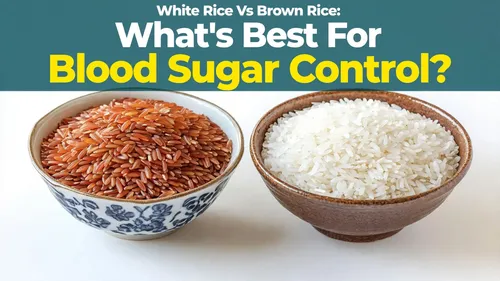
Rice is a staple in many Indian households. From dal-chawal to curd rice, it is a regular part of everyday meals. However, people concerned about diabetes are often advised to switch from white rice to brown rice. Brown rice contains more fibre, but does that mean it always keeps blood sugar in check? Brown rice is generally the more fibre-rich choice, but neither variety guarantees better blood sugar control.
White Rice Vs Brown Rice: What Is The Difference?
According to Veena V, Head of the Department of Clinical Nutrition and Dietetics at Aster Whitefield Hospital, Bangalore, portion size, meal composition and individual health also matter.
She explains, “Brown rice is generally a better choice for people looking to improve the quality of their carbohydrate intake because it retains the bran layer, which provides more fibre.”
Feature |
White rice |
Brown rice |
Processing |
Bran and germ are removed |
Bran and germ are retained |
Fibre |
Lower |
Higher |
Texture |
Softer, usually cooks faster |
Firmer, usually takes longer to cook |
Nutrients |
Contains carbohydrates and some nutrients |
Generally provides more fibre, magnesium and other nutrients |
Blood sugar response |
Can cause a rapid rise, depending on the variety and meal |
May produce a slower response, but this varies |
Best suited for |
People who prefer it or need a softer texture |
People looking to increase wholegrain and fibre intake |
Both varieties provide carbohydrates, which the body breaks down into glucose. Brown rice offers more fibre, but its effect on blood sugar depends on several factors.
Does Brown Rice Actually Help Control Blood Sugar?
Veena V says, “Brown rice does not automatically prevent a rise in blood sugar. Both contain carbohydrates, so the portion and the overall meal matter.”
A 2021 PeerJ review examined brown rice consumption in adults with prediabetes or type 2 diabetes. It found that replacing white rice with brown rice did not significantly improve fasting blood glucose or HbA1c, a measure of average blood sugar over time. The researchers called for more high-quality, long-term studies.
This does not mean brown rice has no nutritional advantage. It means that eating it alone may not be enough to produce a measurable improvement in blood sugar control.
Does Eating White Rice Increase Diabetes Risk?
Veena V explains, “Eating white rice frequently in large portions, especially as part of a diet low in fibre, may contribute to a higher long-term risk of type 2 diabetes.”
A 2022 review published in BMJ Open examined observational studies and clinical trials on rice consumption and metabolic health. Higher white rice intake was associated with a greater risk of type 2 diabetes, while brown rice intake was associated with a lower risk. However, trials did not consistently show improvements in cardiometabolic markers after switching to brown rice.
These findings show an association, not proof that white rice directly causes diabetes. Overall diet, physical activity, genetics and other health factors also affect risk.
How Much Rice Should You Eat If You Have Diabetes?
Veena V says, “There is no single portion that suits everyone.”
People with diabetes do not necessarily need to stop eating rice. They can focus on portion sizes and balance their meals with protein and vegetables.

Try these practical changes:
- Avoid letting rice take up most of your plate.
- Pair it with dal, beans, eggs, fish, paneer or another protein source.
- Add non-starchy vegetables such as spinach, cabbage, beans or gourds.
- Monitor your blood glucose response if advised by your healthcare professional.
The American Diabetes Association's healthy eating guidance recommends a plate method in which half the plate contains non-starchy vegetables, one-quarter contains protein and the remaining quarter contains carbohydrate foods. This is a useful starting point, although individual needs may differ.
Does Cooling Rice Make It Better For Blood Sugar?
Veena V says, “Cooking and then cooling rice can increase its resistant starch content.” Resistant starch is less readily digested than ordinary starch and may reduce the blood glucose response in some circumstances.
However, the effect varies, and cooling does not remove the carbohydrates from rice. It should not be treated as a substitute for portion control.
For food safety, refrigerate cooked rice promptly, keep it chilled and reheat it thoroughly. Avoid leaving cooked rice at room temperature for long periods.
Can You Still Eat White Rice If You Have Diabetes?
Veena V says, “People with diabetes do not necessarily have to stop eating white rice.”
White rice can still fit into a balanced diet. The key is to choose a suitable portion, pair it with protein and vegetables, and consider your individual blood glucose response. Brown rice can help increase fibre intake, but it is not the only option. Other whole grains, pulses and vegetables can also improve the overall quality of your diet.
ALSO READ- Diabetes-Induced Erectile Dysfunction: How Blood Sugar Levels Impact Sexual Health
Conclusion
Brown rice has a nutritional advantage because it contains more fibre. However, switching rice varieties alone may not improve blood sugar control. Portion size, meal balance and your overall eating pattern remain important.
FAQ
1. Is basmati rice better than regular white rice for blood sugar?
The effect depends on the variety, processing, cooking method and portion size. Some basmati varieties may have a lower glycaemic response than certain other rice varieties, but this is not guaranteed. The amount eaten and the rest of the meal still matter.2. Is rice safe to eat at night if you have diabetes?
Rice can be included at dinner if the portion fits your dietary needs. There is no universal rule that people with diabetes must avoid rice at night. Focus on a balanced meal and follow your healthcare professional's advice on monitoring blood glucose.
All possible measures have been taken to ensure accuracy, reliability, timeliness and authenticity of the information; however Onlymyhealth.com does not take any liability for the same. Using any information provided by the website is solely at the viewers’ discretion. In case of any medical exigencies/ persistent health issues, we advise you to seek a qualified medical practitioner before putting to use any advice/tips given by our team or any third party in form of answers/comments on the above mentioned website.
How we keep this article up to date:
We work with experts and keep a close eye on the latest in health and wellness. Whenever there is a new research or helpful information, we update our articles with accurate and useful advice.
-
Current Version
Oct 20, 2026 18:06 IST
Published By : Vivek Kumar
Reviewed By : Ms Veena V