
Eggs are a staple food item for breakfast in most homes. They are simple to make, protein packed and can be used in the meals of the day. However, with cholesterol and heart health concerns, people wonder: should they consume eggs every day?
Some leave out the yolk, some consume several eggs to get more protein. Therefore, how is it that there is some balance? Eggs are safe to eat every day for most healthy people, depending on their health, overall diet and cooking methods.
Is Eating Eggs Every Day Healthy?
Veena V, Head of the Department of Clinical Nutrition and Dietetics, Aster Whitefield Hospital, Bangalore says, “Eggs are a very important food to eat every day, unless your diet is unbalanced in which case you should limit your egg consumption.”
They are rich in good-quality protein and some essential nutrients. They are the source of vitamin B12, selenium and choline. The yolk also contains lutein and zeaxanthin, which are linked to eye health.

However, eggs should be considered as part of the whole diet, not in isolation. The American Heart Association's 2026 dietary guidance emphasises an overall heart-healthy eating pattern rather than focusing on a single food.
A 2025 review of research on egg consumption examined 14 meta-analyses. It concluded there was little consistency in the evidence linking egg consumption to health outcomes and the evidence was weak. The authors did not find enough evidence to deter eating eggs.
How Many Eggs Can You Eat In A Day?
Veena V explains, “There is no single number that suits everyone.” If you are a healthy adult, you may start with 1 whole egg per day. But everyone's needs vary. However, if the person is physically active or has a higher protein requirement, they might need a different method depending on their diet.

A 2022 systematic review and meta-analysis included 24 articles involving nearly 11.9 million participants. It identified a correlation between the number of eggs consumed each day and a slight increase in the risk of death from anything. This relationship was seen in some sub-groups, but the observed relationship is not proof of a causal one between eggs and increased risk.
However, the results of the research are still unclear, and it is not advisable to consume multiple eggs a day as a universal recommendation.
Do Eggs Increase Cholesterol Levels?
Veena V says, “Egg yolks have dietary cholesterol, but dietary cholesterol is not blood cholesterol.”
They are high in cholesterol, and there is an inter-individual variation in the impact of eating eggs on blood cholesterol. Other factors include saturated fat consumption, genetics, and one's cholesterol levels and dietary patterns.
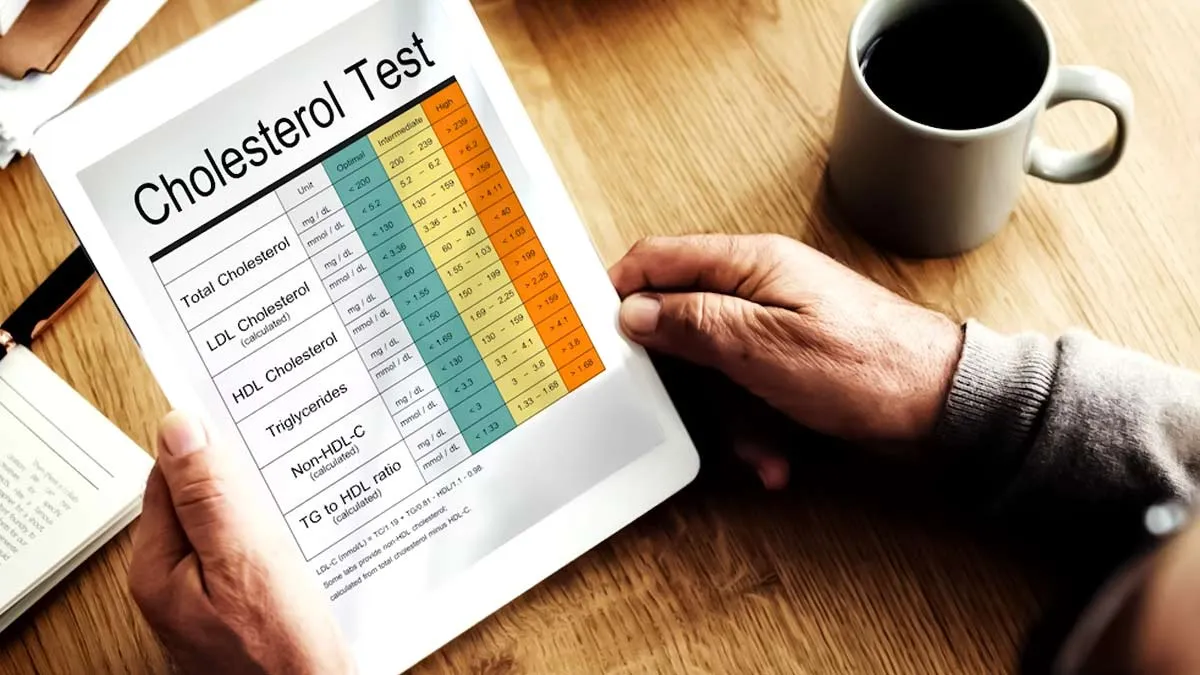
A 2025 Nutr Metab Cardiovasc Dis review found a possible association between egg consumption and higher LDL cholesterol in some analyses. However, the authors rated the overall evidence as very weak. The authors rated the overall evidence very weak, however. This doesn't necessarily prove that eating eggs every day increases cholesterol for everyone.
Individual advice should be sought from a health care professional from people with high LDL cholesterol, familial hypercholesterolaemia or pre-existing cardiovascular disease.
Are Whole Eggs Better Than Egg Whites?
Veena V says, “Whole eggs provide protein along with nutrients found in the yolk.” Either one of them can fit into a balanced diet plan. Egg whites are a low-fat source of protein and have no dietary cholesterol. Whole eggs are a source of protein and vitamins and minerals, including choline and vitamin B12.
Those who wish high protein with low dietary cholesterol can use whole eggs and add extra whites. Depending on their diet and medical condition, the right option will differ.
Does The Way You Cook Eggs Matter?
“The amount of butter, oil, cheese and processed meat served can alter the nutritive content of a meal, says Veena V. Request that the eggs be boiled and poached and served without any fat added. Scrambled and fried eggs may also be healthy, wherever you get them from.
Try eggs and vegetables, wholegrain toast or other foods with fibre for a balanced meal. Reduce processed meats, excess butter and too much cheese, especially for heart health.
Who Should Be Careful About Eating Eggs Daily?
People with particular health issues may require individual advice. Individuals who have high LDL, cardiovascular risks should consult their dietitian or physician about their consumption. Eggs are to be avoided by people who are allergic to eggs. Individuals with diabetes or cardiovascular disease should focus on their overall diet, not one food.
ALSO READ- Fresh Vs Expired Eggs: Easy Ways To Check And Stay Safe
Conclusion
For many people, eggs are a nutritious addition to their diet. However, the quantity, preparation and balance of foods are important. If you have a medical condition such as a disorder of cholesterol or heart health, consult advice that is specific to your condition.
FAQ
1. Is it better to eat eggs at breakfast or dinner?
There is no universal best time to eat eggs. You can include them at breakfast, lunch or dinner, depending on your preferences and nutritional needs. The overall balance of your meals matters more than the time you eat them.2. Can eggs help you feel full for longer?
Yes, protein-rich foods such as eggs may help you feel satisfied after a meal. Pairing eggs with vegetables and wholegrains can also provide fibre and make a meal more balanced.
All possible measures have been taken to ensure accuracy, reliability, timeliness and authenticity of the information; however Onlymyhealth.com does not take any liability for the same. Using any information provided by the website is solely at the viewers’ discretion. In case of any medical exigencies/ persistent health issues, we advise you to seek a qualified medical practitioner before putting to use any advice/tips given by our team or any third party in form of answers/comments on the above mentioned website.
How we keep this article up to date:
We work with experts and keep a close eye on the latest in health and wellness. Whenever there is a new research or helpful information, we update our articles with accurate and useful advice.
-
Current Version
Oct 20, 2026 11:03 IST
Published By : Vivek Kumar
Reviewed By : Ms Veena V