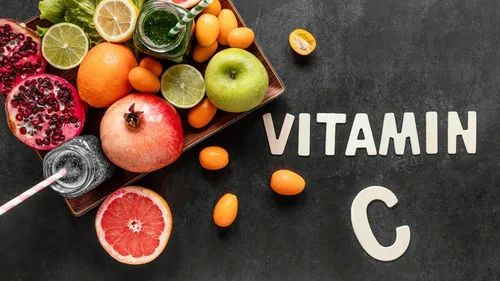
Festive celebrations in India often mean busy schedules, family gatherings, sweets, and rich meals. During this time, maintaining a balanced diet can help support overall health. While oranges are a popular source of vitamin C, several everyday Indian foods contain even more of this essential nutrient.
Vitamin C helps the body produce collagen, supports wound healing, improves iron absorption from plant-based foods, and contributes to normal immune function. Since the body cannot make or store large amounts of vitamin C, including fruits and vegetables in your daily diet is important.
Here are five everyday foods that can provide more vitamin C than an orange.
1. Guava
Guava is one of the richest natural sources of vitamin C and is widely available across India. According to the Indian Food Composition Tables, guava can provide substantially more vitamin C per 100 grams than oranges, although the exact amount varies by variety and ripeness.
This tropical fruit also contains dietary fibre, which supports digestion, and antioxidants that help protect cells from damage.
How to eat it: Enjoy fresh guava as a mid-morning snack or add chopped pieces to a fruit bowl. During the festive season, you can sprinkle a little roasted cumin powder on it for extra flavour. Avoid adding too much salt.
2. Amla (Indian Gooseberry)
Amla is another excellent source of vitamin C and a familiar ingredient in Indian households. It also contains other plant compounds that contribute to its antioxidant properties.
Vitamin C supports normal immune function, but eating amla does not guarantee protection against seasonal infections. Its nutritional value makes it a useful addition to a varied diet, particularly when celebrations involve frequent restaurant meals and rich festive foods.
How to eat it: Have fresh amla when available, or add grated amla to chutneys and salads. You can also include it in homemade dips served with festive snacks. Avoid relying on heavily sweetened amla candies as your main source of vitamin C.
3. Red and Yellow Capsicum
Colourful capsicums are rich in vitamin C, with red and yellow varieties often providing more than oranges by weight. They also contain carotenoids, plant pigments that contribute to their nutritional value.
According to a report published in the journal 'Frontiers in Plant Science', capsicum is particularly useful during the festive season because it can be added to everyday meals without requiring major changes to traditional recipes.
How to eat it: Add sliced capsicum to paneer tikka, vegetable stir-fries, sandwiches, or salads. If you want to preserve more vitamin C, eat it raw or cook it briefly, as prolonged heating can reduce the nutrient content.
Also Read: Does Vitamin C Increase Kidney Stone Risk
4. Green Chillies
Green chillies are a concentrated source of vitamin C, and even a small quantity can contribute to your daily intake. However, the amount varies depending on the variety, freshness, and size of the chilli.
They also contain capsaicin, the compound responsible for their heat. However, eating more chillies is not necessary to meet your vitamin C requirements, especially if spicy foods trigger acidity or digestive discomfort.
How to eat them: Add a small amount of chopped green chilli to chutneys, dals, or vegetable dishes. If you have acid reflux or a sensitive stomach, choose milder alternatives.
5. Papaya
Papaya is an affordable, widely available fruit that provides vitamin C along with dietary fibre and carotenoids. Depending on the variety and ripeness, it can contain more vitamin C per 100 grams than an orange.
Its soft texture also makes it easy to include in breakfast or as a light snack between festive meals.
How to eat it: Enjoy a bowl of fresh, ripe papaya or combine it with guava for a vitamin C-rich fruit salad. Choose whole fruit instead of juice to benefit from its fibre.
How Much Vitamin C Do You Need?
Vitamin C requirements vary by age, sex, and life stage. For Indian adults, the recommended intake is commonly around 65-80 mg daily, according to Indian dietary recommendations. Requirements may differ during pregnancy and breastfeeding.
Remember that vitamin C is sensitive to heat, air, and prolonged storage. Eating fresh fruits and vegetables, avoiding excessive cooking and including a variety of produce can help you obtain more of this nutrient.
Final Word
During the festive season, you do not need expensive supplements or elaborate recipes to improve your diet. Simple additions such as guava, amla, capsicum and papaya can help you meet your nutritional needs while keeping everyday meals colourful and balanced.
FAQ
Which is the king of vitamin C?
Kakadu plum is said to be the kind of vitamin C with almost 100 times more vitamin V than an orange.What are the first signs of too much vitamin C?
The initial signs of vitamin C overdose are nausea, stomach cramps, diarrhoea, loose stools, and bloating.
All possible measures have been taken to ensure accuracy, reliability, timeliness and authenticity of the information; however Onlymyhealth.com does not take any liability for the same. Using any information provided by the website is solely at the viewers’ discretion. In case of any medical exigencies/ persistent health issues, we advise you to seek a qualified medical practitioner before putting to use any advice/tips given by our team or any third party in form of answers/comments on the above mentioned website.
How we keep this article up to date:
We work with experts and keep a close eye on the latest in health and wellness. Whenever there is a new research or helpful information, we update our articles with accurate and useful advice.
-
Current Version
Oct 21, 2026 21:33 IST
Published By : Chanchal Sengar