
Thinking about trying the Mediterranean diet? The good news is that you don't need to throw out your fridge and start over. This isn't a strict diet with rules and restrictions. It's more of a lifestyle, really. Think fresh vegetables, good olive oil, fish a couple of times a week, and meals eaten slowly, without guilt. No calorie apps required. If you're a beginner wondering where to even begin, here's a simple, practical breakdown by our expert.
How To Start the Mediterranean Diet?
"Starting a simple Mediterranean diet does not require a complete change in your eating habits overnight," says Veena V, Chief Clinical Dietician & HOD, Department of Clinical Nutrition and Dietetics at Aster Whitefield, Bangalore. That's honestly the most reassuring part.
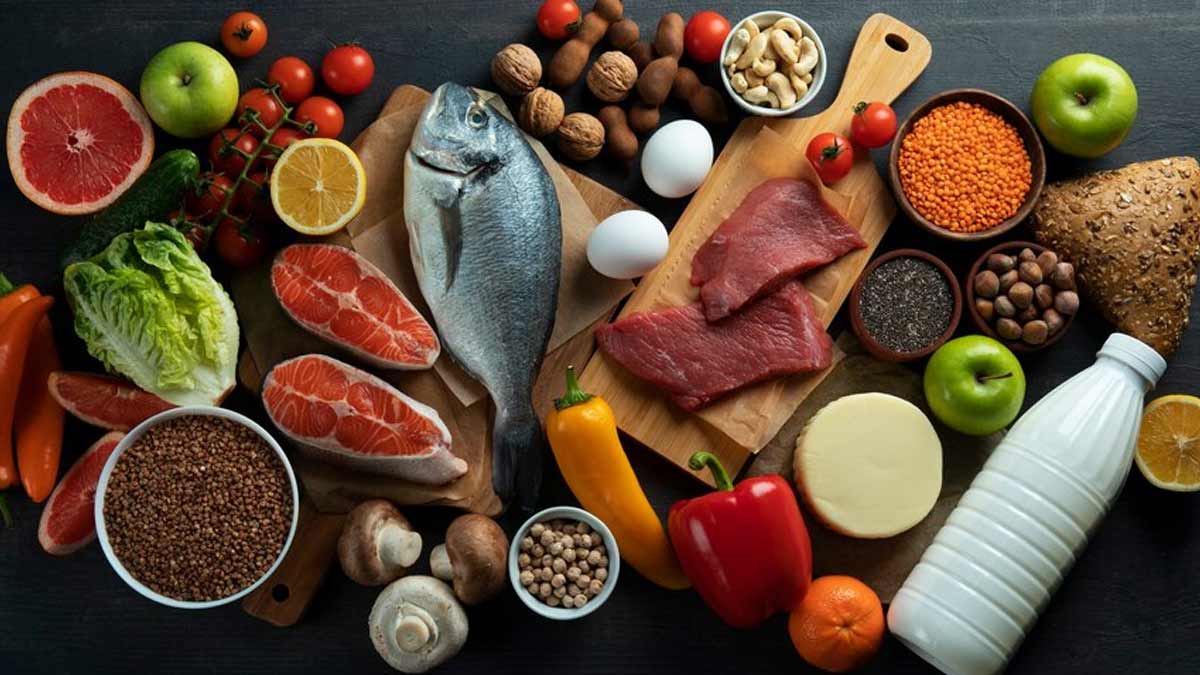
Start small. Add more fruit, more vegetables, more whole grains. Throw in some legumes, nuts, and seeds while you're at it. Swap refined grains for whole-grain versions where you can. And butter? Try olive oil instead.
-1774964526308.jpg)
Fish should make an appearance at least twice a week. Dairy and poultry are fine too, just keep them moderate. Red meat and processed food should be the exception, not the rule.
Drink enough water. Cook at home when you have the time. And keep portions sensible, not skimpy, just sensible. As Veena V puts it, "The Mediterranean diet is also about maintaining an active lifestyle and eating mindfully rather than following strict rules or calorie counting."
ALSO READ- Mediterranean Diet 2.0: Expert Shares Updated Guidelines for Modern Longevity
What to Keep in Mind Before Starting the Mediterranean Diet
Here's something people get wrong early on. They obsess over one "superfood" and ignore everything else. That's not really how this works.
"It is important to focus on the overall quality of your diet rather than individual foods," Veena V explains. Fresh, minimally processed ingredients matter more than any single item on your plate.
Portions still count, by the way. Even healthy food adds up in large amounts. And you'll need variety too, since no one food gives you everything your body needs. If you have allergies or an existing health condition, this diet can still work for you. Just adjust it, and talk to a professional first if you're unsure.
Dos and Don'ts for Beginners
Do:
- Eat plenty of vegetables, fruits, legumes, whole grains, nuts, and seeds
- Cook with olive oil instead of butter
- Add fish, beans, and lentils regularly
- Drink enough water
- Cook at home more often
- Pick fresh, seasonal produce
- Eat slowly, and pay attention while doing it
Don't:
- Lean on processed food or fast food too often
- Reach for sugary drinks regularly
- Overload on refined carbs
- Eat too much red or processed meat
- Go heavy on saturated fat, added sugar, or salt
According to a systematic review published in Nutrients, rising life expectancy has led to more chronic health conditions, which can lower a person's overall quality of life. This quality of life covers physical, mental, and social well-being, not just physical health.
The Mediterranean diet is already known to lower the risk of heart disease and some cancers. But this review found its benefits go further. It also seems to improve mental and physical wellbeing, boosting quality of life overall
Who Actually Benefits From the Mediterranean Diet?
Quite a lot of people, honestly. If you're after better heart health, this diet helps. Want to manage your weight? Same story. It's also linked to lower blood pressure, better cholesterol, and a reduced risk of type 2 diabetes. Some research even points to benefits for brain health.
People dealing with metabolic syndrome, or just trying to stay a step ahead of chronic illness, tend to do well on this way of eating. And because it's built around real, whole foods rather than gimmicks, it's the kind of diet people can actually stick to. That matters more than people realise.
ALSO READ- Mediterranean Diet and Heart Health: Does It Work
Who Should Be Cautious?
For most people, this diet is safe and genuinely good for you. But a few groups should tread carefully.
- Those with nut or seafood allergies should swap these out for suitable alternatives.
- People with kidney disease may need to watch legumes or high-potassium fruits and vegetables, based on medical advice.
- Anyone with digestive disorders or a condition needing a specialised diet should check with a doctor or registered dietitian first.
- Pregnant women, children, and older adults can generally follow this way of eating too, though their meal plans should be tailored to their specific needs.
Starting simple really is the trick here. Add a vegetable. Swap the butter. Have fish twice this week. Build from there, one small change at a time.
FAQ
1. Do I need to change my whole diet at once to go Mediterranean?
Not at all. Start gradually, add more plant-based food and healthy fats first, then slowly cut back on processed food and red meat.2. Is this diet safe if I have a health condition?
Mostly, yes. But if you have kidney disease, allergies, or digestive issues, it's best to adjust the diet with a healthcare professional's guidance.
All possible measures have been taken to ensure accuracy, reliability, timeliness and authenticity of the information; however Onlymyhealth.com does not take any liability for the same. Using any information provided by the website is solely at the viewers’ discretion. In case of any medical exigencies/ persistent health issues, we advise you to seek a qualified medical practitioner before putting to use any advice/tips given by our team or any third party in form of answers/comments on the above mentioned website.
How we keep this article up to date:
We work with experts and keep a close eye on the latest in health and wellness. Whenever there is a new research or helpful information, we update our articles with accurate and useful advice.
-
Current Version
Jul 09, 2026 16:19 IST
Modified By : Vivek Kumar Jul 09, 2026 16:19 IST
Modified By : Vivek KumarJul 09, 2026 16:19 IST
Modified By : Vivek KumarJul 09, 2026 16:19 IST
Published By : Vivek Kumar
Reviewed By : Ms Veena V