
Kidney disease is often associated with lifestyle factors such as diabetes and high blood pressure. However, many people don't realise that genetics can play a significant role too. It is as important as many realise in the context of kidney health, and some diseases are passed on from generation to generation. So does that mean that if a parent or grandparent had kidney disease, you automatically have to?
Not always, but it's important to be aware of the relationship. To understand genetic and hereditary kidney disease, we spoke with Dr Arpit Srivastava, Consultant Nephrologist, Regency Hospital, Gorakhpur.
Does Kidney Disease Really Run in Families?
Yes, at least in a few cases, says Dr Arpit. Some kidney diseases are not random, he says, but tend to run in families.
These examples he mentions are:
- Polycystic kidney disease
- Alport syndrome
- Certain types of glomerulonephritis

Dr Arpit says that diabetes and hypertension, the two most common risk factors for chronic kidney disease (CKD), are familial diseases. If there's no specific kidney disease gene involved, the risk can be transmitted indirectly through these underlying conditions.
Some kidney diseases are directly hereditary, like polycystic kidney disease. Others aren't, but still run in families. According to the American Kidney Fund, diabetes and high blood pressure are often passed down through relatives, too. Having a close relative with kidney disease can raise your own risk. So genes matter, but lifestyle plays a big role as well.
ALSO READ- Small Kidney Tumours: Do All Of Them Need Immediate Surgery?
Is Kidney Disease Hereditary?
"No, only some kidney diseases are directly inherited," says Dr Srivastava. He further adds that there are some kidney diseases that are directly passed on from generation to generation, and some that are determined by several factors.
He offers an example of a directly inherited disease, such as autosomal dominant polycystic kidney disease (ADPKD). “If one parent is affected, there is a 50% chance that the child will inherit it," he says. It's a simple genetic sequence like other dominant inherited diseases.
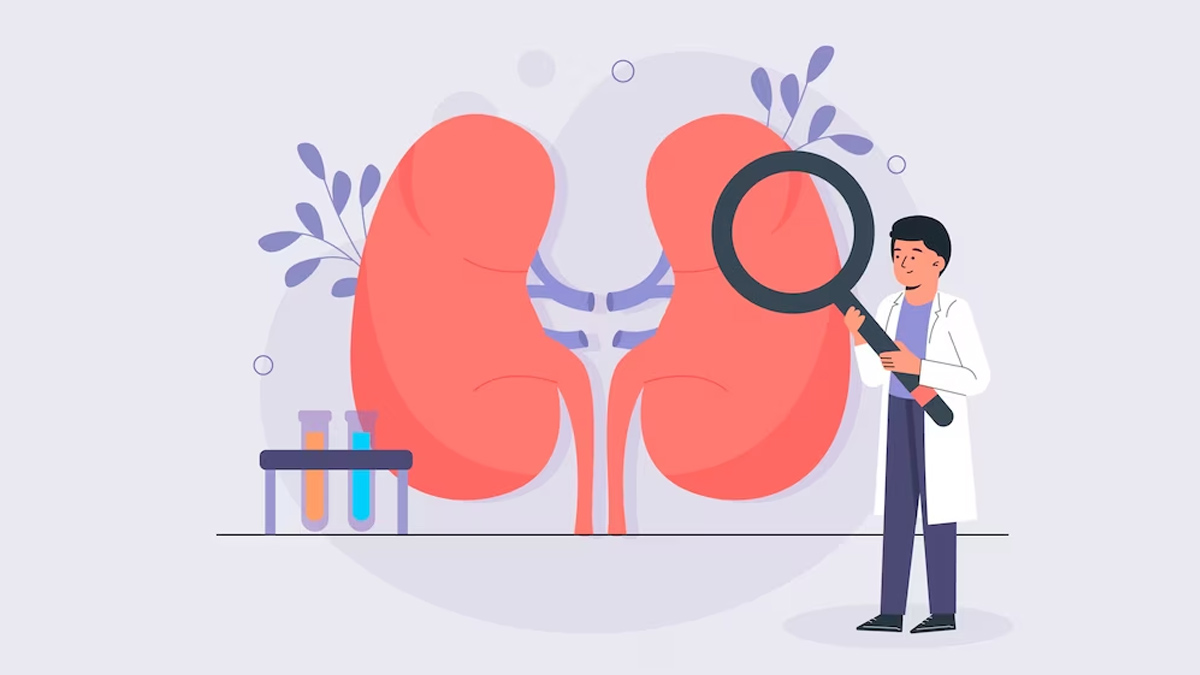
But more often than not. Kidney disease doesn't act this way. It's “usually a combination of a genetic predisposition and lifestyle factors such as diabetes, high blood pressure, obesity,” he said.
So, a family history does not mean you will definitely develop kidney problems, but it can increase your overall risk when combined with other factors.
What Is The Normal Age For Kidney Problems To Begin?
Kidney disease doesn't discriminate by age. However, there are some general trends to be aware of. Dr Arpit says that kidney issues "can occur at any age, but there are some trends which are more prevalent in India, in particular.”
He says the typical patient will discover they have CKD in their 40s or 50s, and it is mostly associated with poorly controlled diabetes or hypertension over an extended period of time. However, hereditary disorders tend to manifest themselves sooner. The cysts may be present since birth, but the disease may not manifest until the person reaches his or her 20s or 30s.
According to the National Kidney Foundation, kidneys naturally lose function over time, but this doesn't always mean disease. Kidney failure can actually happen at any age. Older kidneys handle stress less well, making conditions like diabetes more damaging later in life.
ALSO READ- Bladder Stones vs Kidney Stones: Key Differences, Symptoms, Causes And Treatment Explained
But Who Is At Greater Risk, Children or the Elderly?
Dr Arpit is quite clear when he compares both groups; elderly people have a much greater risk of overall risk. This is a mix of ageing and health issues.

As people get older, their kidneys naturally don't function as well because they are more likely to have diabetes, hypertension and cardiovascular disease, which are all risk factors for kidney damage, he says. Children are also at risk, but as Dr Arpit explains, this is typically "due to congenital or genetic causes instead of lifestyle-related causes, as in adults and elderly patients."
What Can You Do to Reduce Your Risk for Kidney Disease?

The good news here is that prevention is possible, it is achievable, particularly if you take early action. Dr Arpit suggests the following measures:
- Control blood sugar and blood pressure
- Stay adequately hydrated
- Do not overuse painkillers, especially those containing NSAIDs
- Try to reduce excessive salt consumption.
- Have a periodic urine and kidney function test every year, particularly if there is a family history of kidney or metabolic disease.
Early detection is critical here, he says, and "helps to slow progression" of the disease.
ALSO READ- Can Kidney Cancer Be Detected Before Symptoms Appear? A Doctor Elucidates
How to Treat Kidney Disease?
Treatment isn't one-size-fits-all. It's "all about the stage and cause," Dr Arpit says.
Early KD treatment typically includes medications, diet and diabetes and blood pressure control. However, more intensive interventions might also be required as the disease progresses. These can include:
- Hemodialysis
- Peritoneal dialysis
- Renal transplantation (the best long-term chance, which is available in end-stage kidney disease).
Conclusion
Kidney disease often develops silently. Regular screening in people with diabetes, hypertension, or a family history of kidney disease can help detect it early and prevent progression to kidney failure.
FAQ
1. If a parent suffers from kidney disease, does it mean that I will as well?
Not necessarily. Kidney disease is caused by multiple factors, most of which are lifestyle and environmental, although some are inherited, with a 50% risk of developing ADPKD. Being in a family with a history increases risk, but it does not mean that you will get the disease.2. Is there any treatment for kidney disease in children?
It depends upon the cause of the underlying condition. There are a few structural/infection-related problems that can be solved, and a few genetic problems that can be managed long-term. Diagnosing and treating this condition at a young age gives better outcomes.
All possible measures have been taken to ensure accuracy, reliability, timeliness and authenticity of the information; however Onlymyhealth.com does not take any liability for the same. Using any information provided by the website is solely at the viewers’ discretion. In case of any medical exigencies/ persistent health issues, we advise you to seek a qualified medical practitioner before putting to use any advice/tips given by our team or any third party in form of answers/comments on the above mentioned website.
How we keep this article up to date:
We work with experts and keep a close eye on the latest in health and wellness. Whenever there is a new research or helpful information, we update our articles with accurate and useful advice.
-
Current Version
Jun 29, 2026 17:49 IST
Modified By : Vivek Kumar Jun 29, 2026 17:49 IST
Modified By : Vivek KumarJun 29, 2026 17:49 IST
Published By : Vivek Kumar
Reviewed By : Dr Arpit Srivastava