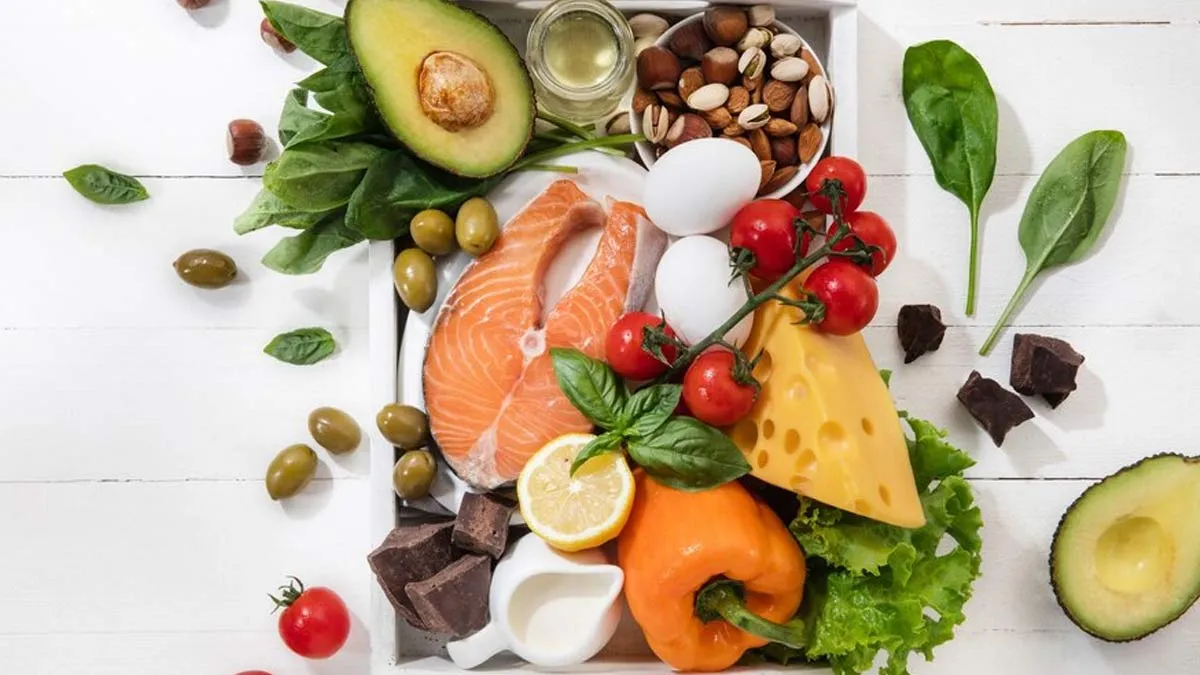
In recent years, the Mediterranean style of eating has repeatedly ranked among the healthiest diets in the world. From protecting the heart to brain health and weight balance, its benefits are well-known. To add to the already existing benefits, nutrition experts are now talking about an upgraded version of this diet that they commonly refer to as Mediterranean Diet 2.0. Nutritionists believe that this new version is designed to match modern lifestyles and today’s health risks.
In an exclusive interaction with the editorial team at Onlymyhealth, Edwina Raj, Head of Services - Clinical Nutrition & Dietetics, Aster CMI Hospital, Bangalore, explained that the new pattern retains the main tenets of the old Mediterranean pattern, but with increased attention to the quality of food, metabolic health, gut health, and daily habits that enhance longevity. Read ahead to know everything she shared with us.
Wat Is the Mediterranean Diet, and What Is Version 2.0?
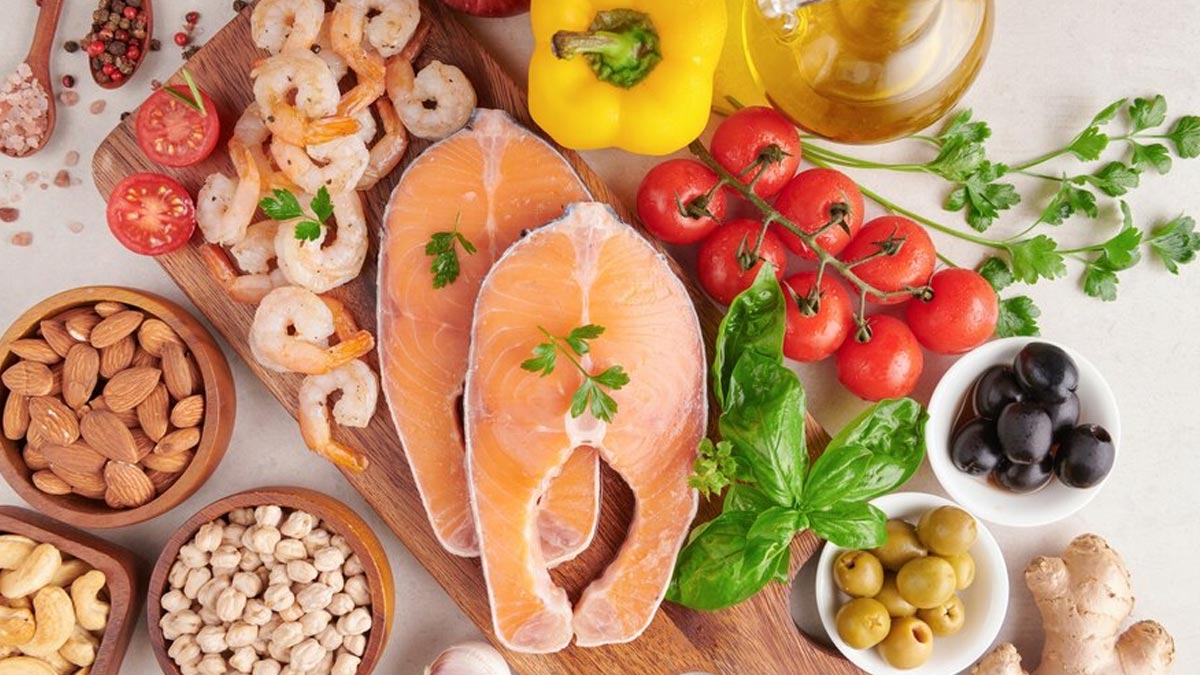
The traditional Mediterranean diet is based on the eating patterns seen in Mediterranean regions, which includes meals rich in vegetables, fruits, whole grains, olive oil, nuts, seeds, fish and low on red meat and junk foods. Simply put, it is all about on organic ingredients and healthy food.
Mediterranean Diet 2.0 builds on the same foundation but updates it for modern challenges of ultra-processed foods, blood sugar fluctuations, inactive lifestyles, and chronic stress. It is not simply about what to eat but also how to eat and live.
ALSO READ- Can Mediterranean Diet Help Cut Diabetes Risk? Expert Tells
 1-mediterranean-diet
According to Edwina, the modern version retains the same base, yet imposes more rigid rules on processed products, content of sugars, mindfulness of portions, and rhythm of lifestyle that affect the metabolism and heart health.
Why Plant-First Eating Is the Core Rule in Mediterranean Diet 2.0
“The original pattern already promoted the consumption of plant foods; the new model makes them go even further,” Edwina shared. Most meals should be built around:
- Colourful vegetables
- Seasonal fruits
- Whole grains
- Beans and lentils
- Nuts and seeds
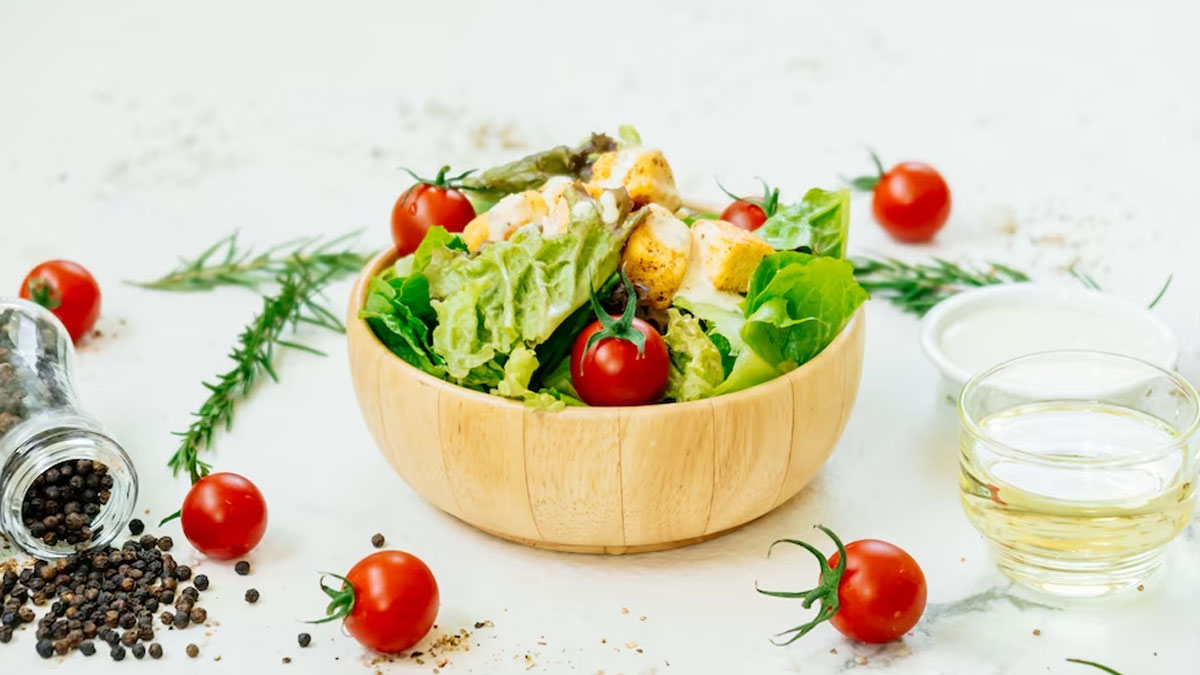
“The concept is to ensure that most of the plate is full of plant foods, followed by protein and fats in supportive amounts. People should think of plants as the main course and not the side dish. Plant food diversity enhances nutrient consumption and the gut microbiome,” she pointed out.
Role of Minimally Processed and Real Whole Foods
The Mediterranean Diet 2.0 puts even longer boundaries on packaged and ultra-processed foods, including the ones that are considered healthy. Edwina’s recommendations suggest:
- Eating whole food instead of processed foods
- Not taking ultra-sensitive snacks and meals
- Cutting down on high sugar, salt and refined oil packaged foods.
- Reading labels carefully
“Healthy Fats Still Matter, But Portion Control Is Key”
Healthy fats remain central, particularly extra virgin olive oil, nuts, and seeds. However, this modern version has given more focus on mindful portion as even healthy fats are high-calorie food.
Edwina explained, “Healthy fats help in protection though they are not unlimited foods. The current longevity nutrition is a blend of quality and quantity consciousness.”
Best Protein Choices in Mediterranean Diet 2.0 for Longevity
“Mediterranean Diet 2.0 moves the balance of protein even more to the lean and plant-based,” she added. According to our expert, the preferred proteins include:
- Lentils and legumes
- Beans and chickpeas
- Fatty fish
- Fermented milk such as yoghurt and kefir
She recommended that red and processed meat should be kept to a minimum, as it supports heart health, inflammation control, and metabolic balance.
ALSO READ- Is the MIND Diet Favourable for Weight Loss? Nutritionist Shares Insights
 2-m
2-m
Importance of Cutting Sugar and Refined Carbs
A key update is tighter control of added sugars and refined carbohydrates. This helps in stabilising blood sugar and insulin response which are essential in contemporary metabolic health. Water and herbal teas should be the major providers of hydration and some other better expert-approved choices include:
- Whole grains as a substitute of refined flour
- Whole fruit instead of juice
- Traditional desserts only occasionally
- No sweetened beverages as daily staples
How Mediterranean Diet 2.0 Supports Heart, Brain, and Metabolic Health
Mediterranean Diet 2.0 is not just an eating plan but a lifestyle structure. Here are some benefits of this type of diet on your heart, brain and metabolic health:
- Slow, mindful eating
- Regular daily movement
- Good sleep routines
- Stress management practices
Bottomline
Mediterranean Diet 2.0 is a modernised version of an established healthy diet that introduces more restrictions on processed food, plant variety, gut health, and habits making it a practical blueprint for modern longevity
FAQ
Q1. Is Mediterranean Diet 2.0 very different from the first one?
No, it maintains the same base but introduces more strict measures regarding processed foods and sugar, not to mention lifestyle guidance.Q2. Does this diet help in losing weight?
Yes, when portions are regulated and processing foods are reduced.Q3. Is it possible that vegetarians adhere to Mediterranean Diet 2.0?
Yes, it is veg-friendly with legumes, nuts and seeds, whole grains, and fermented dairy.
All possible measures have been taken to ensure accuracy, reliability, timeliness and authenticity of the information; however Onlymyhealth.com does not take any liability for the same. Using any information provided by the website is solely at the viewers’ discretion. In case of any medical exigencies/ persistent health issues, we advise you to seek a qualified medical practitioner before putting to use any advice/tips given by our team or any third party in form of answers/comments on the above mentioned website.
How we keep this article up to date:
We work with experts and keep a close eye on the latest in health and wellness. Whenever there is a new research or helpful information, we update our articles with accurate and useful advice.
-
Current Version
Feb 18, 2026 16:55 IST
Modified By : Tanya Srivastava Feb 18, 2026 16:55 IST
Modified By : Tanya SrivastavaFeb 18, 2026 16:55 IST
Published By : Tanya Srivastava
Reviewed By : Edwina Raj