Planning a Winter Trip? Don't Forget These First-Aid Essentials Before You Pack
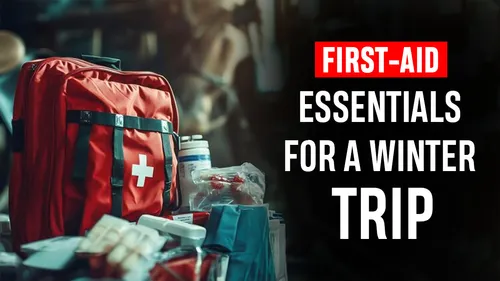
Winter holidays are a great opportunity to explore snowy destinations, enjoy mountain views or take a much-needed break from everyday routines. However, travelling during colder months also comes with certain health risks. Sudden temperature changes, cold-related injuries, dry skin, respiratory infections, stomach upsets and minor accidents can affect travellers, particularly when visiting remote or hilly destinations.
While warm clothes, medicines and travel documents usually make it to everyone's packing list, a first-aid kit is often overlooked. Carrying basic medical supplies can help manage minor health problems and provide temporary relief until medical assistance is available.
Whether you are planning a road trip, a family holiday or a winter adventure, here are some first-aid essentials you should carry.
Basic Medicines For Fever And Pain
A change in weather, long journeys and physical exhaustion can sometimes lead to headaches, body aches or fever.
Carry commonly used medicines such as paracetamol for fever and pain relief. If you usually take medicines for allergies, motion sickness or other existing conditions, pack an adequate supply.
However, medicines should be taken according to medical advice and dosage instructions. Avoid self-medicating, particularly when travelling with children, older adults or people with existing health conditions.
Bandages, Antiseptic, and Wound Care Supplies
Minor cuts, bruises and scratches can happen during sightseeing, trekking or other outdoor activities.
Your first-aid kit should include:
- Adhesive bandages in different sizes
- Sterile gauze pads
- Medical tape
- Antiseptic solution or wipes
- Disposable gloves
- Small scissors and tweezers
These supplies can help clean and cover minor wounds, reduce the risk of contamination and protect injured areas until proper medical care is available.
For deeper wounds, persistent bleeding or signs of infection, seek medical attention rather than relying on a home first-aid kit.
Medicines For Cold, Cough, and Allergies
Cold weather, dry indoor heating and exposure to dust can trigger nasal irritation, sneezing, cough and allergy symptoms.
A saline nasal spray can help relieve nasal dryness and clear accumulated irritants. Carry any prescribed allergy medicines if you are prone to allergic reactions.
Throat lozenges may also provide temporary relief from throat irritation. If you have asthma or another respiratory condition, remember to carry your prescribed inhalers and ensure they are easily accessible.
Do not start antibiotics or combination cold medicines without consulting a healthcare professional.
Moisturiser, Lip Balm, and Sunscreen
Winter conditions can strip moisture from the skin, leading to dryness, itching, cracked lips and irritation. Cold winds and low humidity can make these problems worse.
- Pack a good moisturiser, petroleum jelly and a nourishing lip balm to protect exposed skin.
- Sunscreen is equally important, particularly when visiting snowy or mountainous destinations. Snow reflects ultraviolet (UV) radiation, increasing exposure even when the weather feels cold.
- Choose a broad-spectrum sunscreen with at least SPF 30 and reapply it as directed.
- Carry sunglasses to protect your eyes from bright sunlight and reflected UV rays.
ORS and Basic Stomach Care
Dehydration is not limited to summer. People may drink less water during winter because they do not feel as thirsty, while physical activity and dry weather can increase fluid loss.
Carry oral rehydration salts (ORS), which can help replace fluids and electrolytes lost due to diarrhoea or vomiting. Pack them in their original sachets and prepare them according to the instructions using safe drinking water.
- If you are prone to acidity or motion sickness, speak to your doctor about suitable medicines before travelling.
- Avoid taking anti-diarrhoeal medicines without medical advice, particularly if diarrhoea is accompanied by fever or blood in the stool.
Thermal Emergency Essentials
If your winter destination involves snowfall, trekking or prolonged outdoor exposure, consider carrying additional safety supplies.
These may include:
- Disposable or reusable hand warmers
- An emergency thermal blanket
- Extra warm socks and gloves
- A digital thermometer
- A torch and spare batteries
These items can be particularly useful during unexpected delays, roadblocks or emergencies in cold and remote areas.
Remember that a thermal blanket and warm clothing are not substitutes for medical treatment if someone develops hypothermia or frostbite.
Also Read: First 5 Minutes After a Deep Cut: How to Control the Bleeding
Don't Forget Your Personal Prescription Medicines
People with diabetes, high blood pressure, heart conditions, asthma or other chronic illnesses should carry their regular prescription medicines in sufficient quantities.
Keep medicines in their original packaging, along with prescriptions or a list of their names and dosages. If you are travelling by air, keep essential medicines in your hand luggage rather than your checked baggage.
Also, check whether any medicines require special storage conditions, particularly if you are travelling to extremely cold destinations.
What Should You Do Before Leaving For Your Winter Holiday?
Apart from packing a first-aid kit, take a few precautions before beginning your journey.
- Check the weather forecast and road conditions, particularly if you are travelling to hill stations.
- Keep emergency contact numbers handy and identify nearby hospitals or medical facilities at your destination.
- Avoid packing medicines that you have never used before.
- Check expiry dates and make sure your first-aid supplies are properly stored.
Final Word
A well-stocked first-aid kit cannot prevent every travel-related health problem, but it can help you manage minor emergencies and avoid unnecessary discomfort. A little preparation before leaving home can make your winter holiday safer and more enjoyable.
FAQ
Can I carry medicines and a first-aid kit on a flight?
Yes, most basic medicines and first-aid supplies can be carried on flights, but restrictions may apply to liquids, sharp objects and certain prescription medicines. Check your airline's baggage guidelines before travelling. Keep essential medicines and prescriptions in your hand luggage.How often should I replace my travel first-aid kit?
Check your kit before every trip. Replace expired medicines, damaged bandages and used supplies. Also, check that antiseptics and other products have not expired or deteriorated during storage.
All possible measures have been taken to ensure accuracy, reliability, timeliness and authenticity of the information; however Onlymyhealth.com does not take any liability for the same. Using any information provided by the website is solely at the viewers’ discretion. In case of any medical exigencies/ persistent health issues, we advise you to seek a qualified medical practitioner before putting to use any advice/tips given by our team or any third party in form of answers/comments on the above mentioned website.
How we keep this article up to date:
We work with experts and keep a close eye on the latest in health and wellness. Whenever there is a new research or helpful information, we update our articles with accurate and useful advice.
-
Current Version
Nov 29, 2026 18:05 IST
Published By : Chanchal Sengar