
Pregnancy and postpartum changes a woman’s body in different ways. It is natural that the even women’s menstrual cycle witnesses a shift post giving birth. Many women experience heavy flow during their first postpartum period. What are the causes behind this? To know all about it, read ahead.
To understand this better, we reached out to a top gynaecologist, Dr Lavanya Kiran, Director and Lead Consultant, Obstetrics, Gynaecology, KIMS Hospitals, Electronic City, Bengaluru.
Why Does the First Period Post Giving Birth Feels Extremely Heavy?
Let us address the main point: why does the first postpartum period feel extremely heavy? Answering this, Dr Kiran says, “The initial days following delivery may see increased heaviness, duration, or pain when compared to previous menstrual periods, and this could cause concern for some women.In terms of gynaecology, this has to do with the hormones and changes in the uterus as a result of pregnancy and the postnatal recovery process. After delivery, the uterus starts to revert to its pre-pregnancy size, while hormone levels will be unstable as the body readjusts to its regular menstrual cycle.”
The expert further explains, “If you are not breastfeeding, your periods should start within 6-8 weeks, while breastfeeding can postpone your periods for several months. Upon resumption of menstruation, you may experience irregular periods with heavier flow and increased cramps during the first few months. This will be due to thickened uterine linings, following lack of periods for some time.”
 postpartum period 1
Is Postpartum Bleeding Different From Postpartum Periods?
A 2016 study, published in the peer-reviewed medical journal BMC Pregnancy and Childbirth, explores how mothers and traditional birth attendants perceive the heavy bleeding that occurs right after childbirth. Many women mistakenly view this initial postpartum bleeding as a normal and necessary ‘cleansing process’ for the body, similar to a regular period.
However, the study focuses on the fact that immediate postpartum bleeding, whether normal recovery or dangerous haemorrhage, is completely different from a woman's regular menstrual period. This is because immediate postpartum bleeding involves the body shedding the extra blood, tissue, and uterine lining that was built up during pregnancy, starting right post delivery. On the other hand, an actual postpartum period marks the return of a woman's regular fertility and ovulation cycles, weeks or months later.
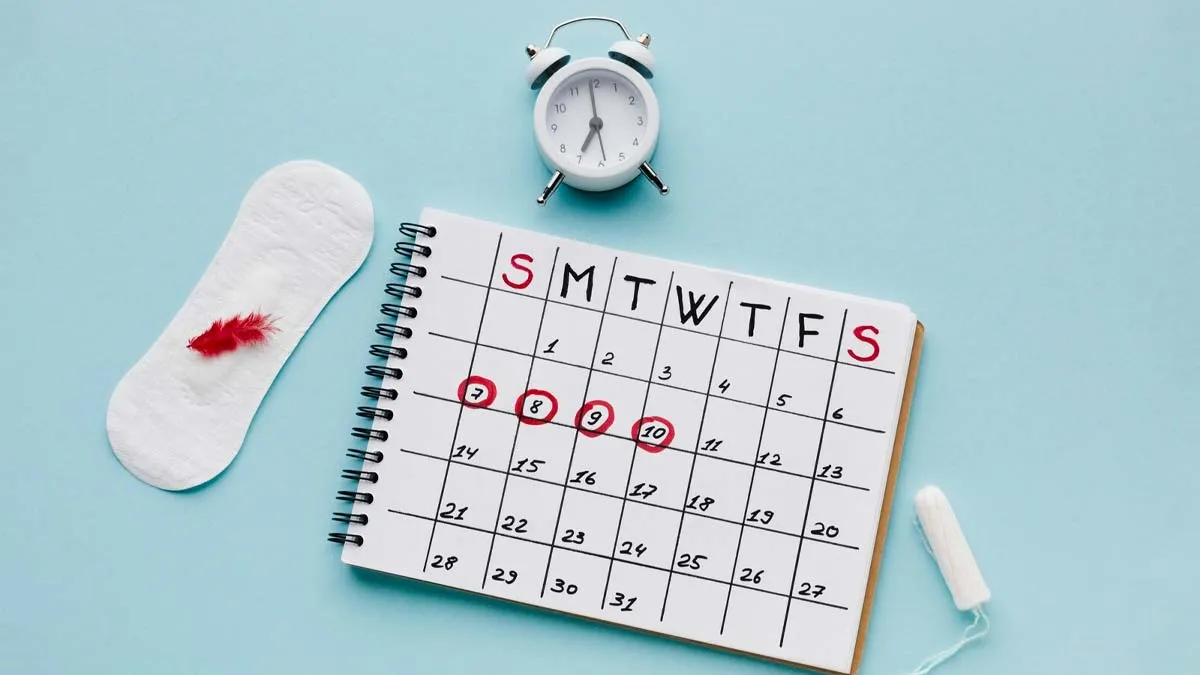 postpartum period 2
The research discovered that the mothers who view this initial heavy blood loss as a healthy cleansing, often ignore life-threatening dangerous signs. This deep-rooted belief makes it very difficult for families to differentiate between normal recovery bleeding and a dangerous postpartum haemorrhage. Moreover, the study notes that women and their birth attendants often only recognised the bleeding as a medical emergency when it was accompanied by severe symptoms such as fainting, collapsing, or extreme thirst. They also attempted to gauge the danger by visually comparing the amount of blood lost to the size of two clenched fists. When bleeding turns excessive, families frequently depend on home remedies such as drinking cold fluids or using traditional herbs, instead of going to a hospital.
The core takeaway from the research is that bleeding right after birth is from a healing wound inside the uterus, not a normal period. Confusing this immediate after-birth bleeding with a heavy cleansing period can cause critical delay in getting life-saving emergency care. Therefore, the study concludes that health programs should actively teach communities what normal after-birth bleeding actually looks like. By clearly understanding that immediate postpartum bleeding is different from a standard menstrual period, new mothers can identify warning signs and seek timely medical assistance.
Excessive Postpartum Bleeding: When To Worry?
Dr Kiran says that excessive bleeding must not be immediately regarded as normal. So when is it a cause of concern? Explaining this, the expert shares, “Consult your doctor if you are:
- Soaking a sanitary napkin every hour for two hours continuously.
- Passing large clots bigger than a golf ball.
- Experiencing severe pain in the abdomen and/or pelvis.
- Feeling dizzy.
- Experiencing fainting spells.
- Experiencing breathing problems or weakness.
- Having a fever.
- Having foul vaginal discharge.
“All these symptoms are causes for concern, especially if there are any worries of infections and retained tissue,” adds Dr Kiran.
 postpartum period 3
“First-time mothers also need to note that their early cycles might not necessarily be similar to their previous ones. They might have light or heavy periods, and their menstrual cycles might be erratic. Recording how many pads were used and keeping track of when the bleeding happens can provide important information for your gynaecologist to decide if the bleeding is normal or needs to be checked out,” concludes the expert.
ALSO READ- Decoding Postpartum OCD: Why New Mothers Experience Dark Thoughts
Conclusion
Experiencing a heavier and more painful first period post giving birth is a completely normal response to hormonal shifts and a thickened uterine lining. However, new mothers must carefully understand that this returning menstrual cycle is different from immediate post-birth bleeding. This can help them ensure they do not overlook a dangerous postpartum haemorrhage. While irregular cycles are expected during this transition, women should immediately seek medical help if they soak through a pad every hour, pass large clots, or experience extreme dizziness.
FAQ
How long does it take to get your period after giving birth?
Your period usually returns within 6 to 12 weeks after giving birth if you are not breastfeeding, or it can take many months or up to a year or more if you are breastfeeding.What does the first period postpartum feel like?
Your first period postpartum often feels much heavier, more crampy, and more intense than your periods did before pregnancy.
All possible measures have been taken to ensure accuracy, reliability, timeliness and authenticity of the information; however Onlymyhealth.com does not take any liability for the same. Using any information provided by the website is solely at the viewers’ discretion. In case of any medical exigencies/ persistent health issues, we advise you to seek a qualified medical practitioner before putting to use any advice/tips given by our team or any third party in form of answers/comments on the above mentioned website.
How we keep this article up to date:
We work with experts and keep a close eye on the latest in health and wellness. Whenever there is a new research or helpful information, we update our articles with accurate and useful advice.
-
Current Version
Sep 29, 2026 19:07 IST
Published By : Shruti Das
Reviewed By : Dr Lavanya Kiran