Nose Blocked Even Indoors? Air Pollution May Be The Reason: Here's What Happens
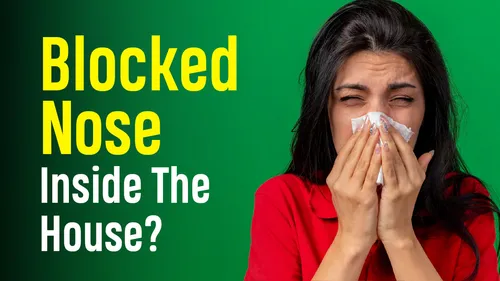
A blocked nose, repeated sneezing, and nasal irritation are often associated with a common cold or seasonal allergies. However, if these symptoms continue even when you are sitting inside your home or office, air pollution could be one of the reasons.
As pollution levels rise, many people assume that staying indoors protects them from harmful pollutants. But indoor air is not necessarily clean air. Pollutants from outside can enter enclosed spaces, while everyday household activities can release additional irritants into the air.
According to Dr Tushar Tayal, Director, Internal Medicine, CK Birla Hospital, Gurugram, indoor air pollution can irritate the nasal passages and trigger congestion, sneezing, and difficulty breathing through the nose.
Why Does Your Nose Feel Blocked Indoors During Pollution?
The nose is the body's first line of defence against airborne pollutants. Its inner lining contains tiny hair-like structures called cilia, which help trap dust, pollutants, and other particles before they travel further into the respiratory system.
Mucus also plays an important role by capturing these particles and helping the body remove them naturally.
However, prolonged exposure to pollutants, particularly particulate matter such as PM2.5 and PM10, can irritate the nasal lining, according to a study published in the journal ‘Toxics’. While larger particles can affect the nose and upper airways, finer PM2.5 particles can travel deeper into the respiratory system.
This exposure can trigger inflammation and swelling of the nasal passages, along with increased mucus production. As a result, people may experience:
- A blocked or stuffy nose
- Frequent sneezing
- Nasal itching and irritation
- A runny nose
- Difficulty breathing comfortably through the nose
The symptoms may become more noticeable when pollution levels remain high for several days.
Why Is Indoor Air Not Always Safe During High AQI?
Closing windows and staying indoors may reduce exposure to outdoor pollutants, but it does not eliminate the risk completely.
Outdoor pollutants can enter homes and offices through doors, windows, and ventilation systems. Once inside, they may accumulate, particularly when there is inadequate ventilation.
Moreover, several everyday household activities can contribute to indoor air pollution.
- Cooking fumes: Frying food, burning food, and using certain cooking fuels can release smoke and fine particles that irritate the respiratory tract.
- Incense sticks and mosquito coils: Burning agarbattis, dhoop, candles, and mosquito coils can release particulate matter and other airborne irritants.
- Cleaning products: Strong chemical cleaners, room fresheners, and sprays may release substances that irritate the nose and airways.
- Dust and indoor allergens: Dust mites, mould spores and pet dander can trigger allergic reactions, particularly in people who are sensitive to these substances.
- Poorly maintained air-conditioner filters and ventilation systems may also allow dust and allergens to circulate indoors.
Also Read: Blocked Nose Making Your Voice Sound Weird? ENT Doctor Explains Here’s What Happens
Is Your Blocked Nose Due To Pollution Or An Allergy?
Pollution-related nasal irritation and allergic rhinitis can produce similar symptoms, making it difficult to distinguish between the two.
Allergic rhinitis is an inflammatory condition in which the immune system reacts to allergens such as dust mites, pollen, mould, or pet dander. Common symptoms include sneezing, nasal itching, watery discharge, and congestion.
Pollution, on the other hand, can irritate the nasal lining directly and worsen existing allergies.
A blocked nose is not always related to pollution or allergies. Viral infections, sinusitis, nasal polyps, and structural problems such as a deviated nasal septum can also cause nasal congestion.
Dry indoor air and sudden temperature changes during winter may further irritate the nasal passages.
If congestion continues for several weeks, repeatedly disturbs sleep, or is accompanied by facial pain, fever, or thick nasal discharge, medical evaluation is advisable.
How To Prevent Nasal Congestion Indoors During Pollution?
Reducing indoor exposure to pollutants and allergens can help minimise nasal irritation. Some practical measures include:
- Use a HEPA air purifier: Choose a properly sized air purifier for frequently occupied rooms, particularly the bedroom. Keep its filters clean and replace them as recommended.
- Avoid indoor smoke: Limit the use of incense sticks, mosquito coils, and candles. Avoid smoking inside the house.
- Clean air-conditioner filters: Regularly clean AC filters and maintain ventilation systems to prevent dust accumulation and circulation.
- Keep surfaces dust-free: Wet-mop floors and wipe furniture rather than dry sweeping, which can send dust particles back into the air.
- Control moisture: Address water leaks, dampness, and mould growth, as mould spores can trigger nasal allergies.
- Ventilate at the right time: Keep windows closed when outdoor pollution is particularly high. Ventilate rooms when outdoor air quality improves.
- Be careful with cleaning products: Avoid excessive use of strong chemical cleaners, room fresheners and aerosol sprays.
Saline nasal sprays or rinses may also help remove accumulated irritants and relieve nasal dryness. However, nasal rinses should only be prepared using sterile or distilled water, or water that has been boiled and cooled.
Also Read: Can Pollution Make Existing Allergies Worse Even Without a Change in Weather?
When Should You See a Doctor?
Persistent nasal congestion should not be ignored, especially when it affects sleep, concentration, or everyday activities.
People with asthma, chronic respiratory conditions, or recurrent sinus infections may experience worsening symptoms during pollution episodes.
If nasal blockage does not improve despite reducing exposure to irritants, consult a doctor to identify the underlying cause. Avoid using decongestant nasal sprays for prolonged periods without medical advice, as overuse can worsen congestion.
Final Word
Summing up, staying indoors does not guarantee protection from air pollution. Paying attention to indoor air quality, reducing household pollutants, and seeking timely medical advice can help protect nasal and respiratory health.
FAQ
Can an air conditioner make your nose feel blocked?
Yes, poorly maintained AC filters can circulate dust and allergens. Air conditioning can also make indoor air dry, potentially irritating the nasal lining and worsening congestion.Can pollution make existing nasal allergies worse?
Yes, air pollutants can irritate the nasal passages and increase inflammation, making symptoms such as sneezing, itching, and congestion worse in people who already have allergic rhinitis.
All possible measures have been taken to ensure accuracy, reliability, timeliness and authenticity of the information; however Onlymyhealth.com does not take any liability for the same. Using any information provided by the website is solely at the viewers’ discretion. In case of any medical exigencies/ persistent health issues, we advise you to seek a qualified medical practitioner before putting to use any advice/tips given by our team or any third party in form of answers/comments on the above mentioned website.
How we keep this article up to date:
We work with experts and keep a close eye on the latest in health and wellness. Whenever there is a new research or helpful information, we update our articles with accurate and useful advice.
-
Current Version
Nov 24, 2026 18:18 IST
Published By : Chanchal Sengar
Reviewed By : Dr Tushar Tayal