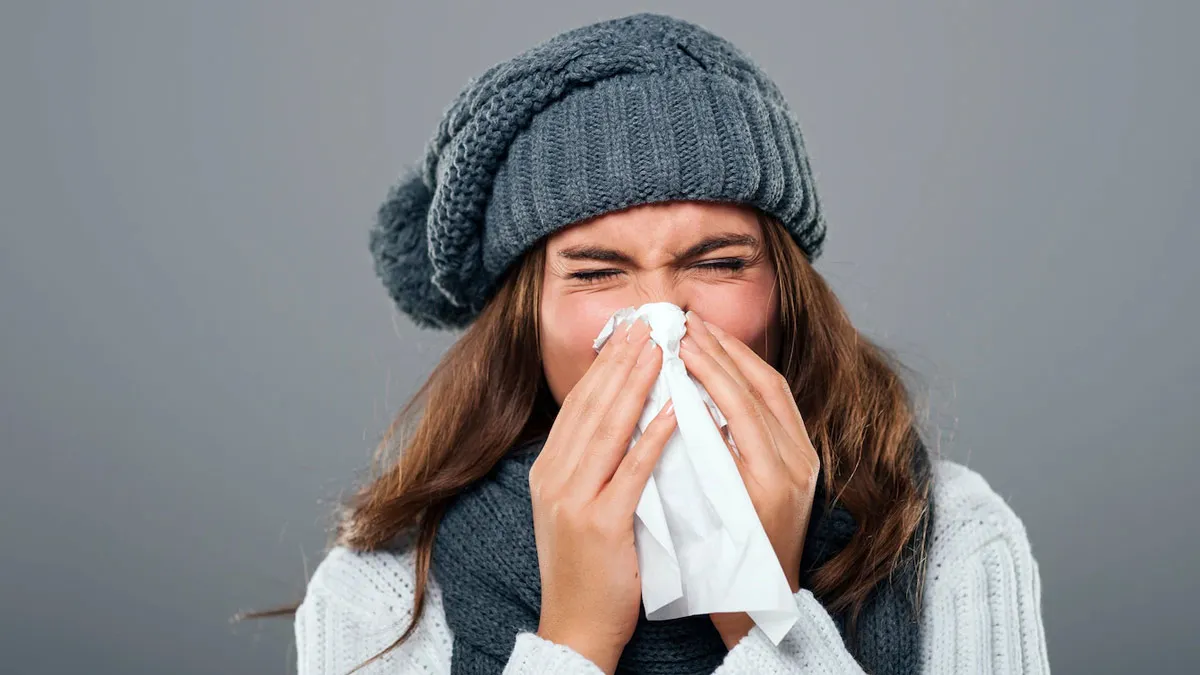
As temperatures drop, people tend to spend more time indoors, and they also begin to notice persistent sneezing, congestion, or itching that doesn’t seem to go away. These problems are often associated with common colds. However, experts warn that it might be winter allergies. Unlike viral infections, winter allergies tend to linger and can quietly affect daily comfort, sleep, and overall well-being.
So, to know better, we reached out to our expert, Dr Brunda M S, Senior Consultant - Internal Medicine, Aster CMI Hospital, Bangalore, and she explained to us that winter allergy is more prevalent than one thinks. In most cases, the allergens are indoors, not outdoors. “Symptoms of winter allergy appear with signs similar to a cold. However, the symptoms last longer. A runny or stuffed nose, sneezing, and itchy or watery eyes are some of the manifestations,” she shared.
Symptoms of Winter Allergies
According to experts, here are seven hidden signs of winter allergies you shouldn’t ignore:
1. Runny or Congested Nose
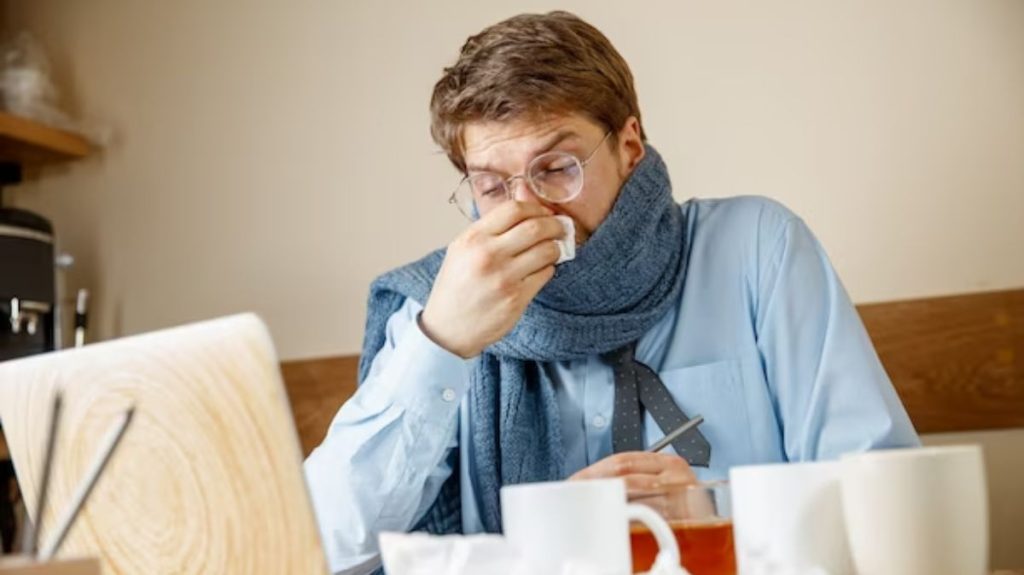
One of the first symptoms of winter allergies is a runny and congested nose. Since a cold is only temporary and typically clears up in a week, if the congestion is being caused by allergies, then it could persist for several months. Another symptom of winter allergies is relieving sneezing fits in the morning and after housecleaning.
ALSO READ- Considering Flu Vaccines In Winter? Expert Shares All You Need To Know
 1-sign
2. Eye Infections
Itchy, watery, or irritated eyes are another symptom. Cold doesn’t directly irritate the eyes, but allergens such as dust mites, mould spores, or pet dander could easily trigger eye irritation with shut windows in the winter months.
3. Sore Throat and Cough
“Many people feel a tickle in their throat, either dry or sore, especially in the morning. This occurs especially because of postnasal drip accompanied by dry air caused by heaters. Also, a sore cough, especially at night, may be associated with winter allergies rather than an infection,” Dr Brunda added.
4. Skin Allergies
Skin symptoms may also be another treatment that is overlooked. In winter, there may be dry and itchy skin or rashes that may flare up, particularly in people who are sensitive and who may already be dealing with eczema. The dry air from the cold and even potential allergens may dry skin.
5. Headaches and Sinus
In addition, winter allergies may cause headaches and facial pressure. This may be due to blocked sinuses resulting in heavy sensations around and above the eyes or cheeks, which may have adverse effects on concentration and mood eventually.
ALSO READ- Is Eating Ice Cream In Cold Weather Bad, Expert Explains
 2-sign
6. Tiredness
Another important symptom of allergy will be tiredness. Allergies can cause disturbances during sleep if the person has a congested nose, coughs, or a sore throat despite sleeping well.
7. Wheezing and Shortness of Breath
In people with asthma, winter allergy can cause wheezing and shortness of breath. When indoor allergens are inhaled with cold air, breathing becomes difficult.
Why Symptoms of Winter Allergies Get Worse Indoors
While rainy and summer allergies are outdoors, winter allergies are primarily caused by indoor factors. “Dust mites in bedding, moist corners for mould growth, and pet hairs due to reduced airflow in homes during winter months are the chief causes of winter allergies,” highlighted Dr Brunda. According to her, if the symptoms persist but there’s no fever, it might be a winter allergy instead of a cold.
Bottomline
If the symptoms of a cold persist without the fever and become aggravated inside, then it could be a case of winter allergy. Experts recommend that if you have been experiencing symptoms for more than 10 days and continue to appear intermittently or cause disruptions with sleep and usual activity performance, the best thing would be to seek the advice of a doctor.
FAQ
1. In what ways do winter allergies differ from a cold?
Winter allergies are longer in duration and do not cause fever; they also tend to be exacerbated at home compared to people with colds.2. What triggers winter allergies the most?
Dust mites, mould, pet dander, and dry air are common allergens.3. Can winter allergies affect sleep?
Yes, congestion, cough, and throat irritation may affect sleep and contribute to daytime fatigue.
All possible measures have been taken to ensure accuracy, reliability, timeliness and authenticity of the information; however Onlymyhealth.com does not take any liability for the same. Using any information provided by the website is solely at the viewers’ discretion. In case of any medical exigencies/ persistent health issues, we advise you to seek a qualified medical practitioner before putting to use any advice/tips given by our team or any third party in form of answers/comments on the above mentioned website.
How we keep this article up to date:
We work with experts and keep a close eye on the latest in health and wellness. Whenever there is a new research or helpful information, we update our articles with accurate and useful advice.
-
Current Version
Dec 26, 2025 19:39 IST
Modified By : Tanya Srivastava Dec 26, 2025 19:39 IST
Modified By : Tanya SrivastavaDec 26, 2025 19:39 IST
Published By : Tanya Srivastava
Reviewed By : Dr Brunda M S