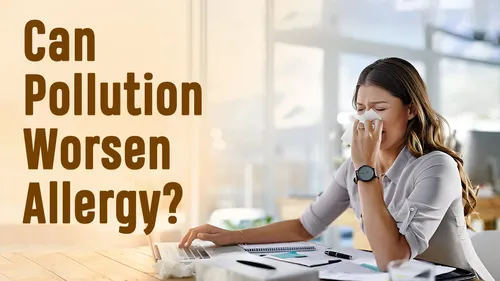
Sneezing, a runny nose, itchy eyes, or frequent bouts of coughing are often blamed on seasonal allergies or changing weather. However, if these symptoms suddenly become worse despite stable temperatures, air pollution could be one of the reasons. Air pollution can irritate the respiratory tract, trigger inflammation, and make people more sensitive to allergens they already react to. This means people with allergic rhinitis, asthma, or other respiratory allergies may experience worsening symptoms even when the weather has not changed.
With air quality becoming a growing concern in several Indian cities, particularly during the winter months, understanding the connection between pollution and allergies is important. So, we spoke to Dr Koushik N, Consultant - Pulmonologist & Sleep Medicine Specialist, Aster RV Hospital, Bangalore and Dr Sunil Kumar K, Lead Consultant – Interventional Pulmonology, Aster CMI Hospital, Bangalore, for their expert insights.
How Does Pollution Make Existing Allergies Worse?
Air pollution contains several harmful substances, including particulate matter (PM2.5 and PM10), nitrogen dioxide, sulphur dioxide, ozone, and other irritants. These pollutants can enter the respiratory system and trigger inflammation in the airways and nasal passages.
According to medical understanding, pollution can worsen allergy symptoms through two main mechanisms: direct irritation of the respiratory tract and increased sensitivity to allergens. Fine particulate matter, particularly PM2.5, is small enough to travel deep into the lungs. It can irritate the airway lining, increase oxidative stress, and contribute to inflammation.
This may make an already sensitive respiratory system more reactive. Pollutants can also affect the body's protective barriers in the nose and airways. When these barriers become irritated or inflamed, people may experience stronger reactions to common allergens such as dust mites, pollen, mould and pet dander.
What Allergy Symptoms Can Become Worse Due to Pollution?
People with existing allergies may notice that their usual symptoms become more frequent or intense during periods of poor air quality.
Some common symptoms include:
- Frequent sneezing: Irritation of the nasal passages can trigger repeated sneezing.
- Runny or blocked nose: Pollution can worsen nasal inflammation and congestion, particularly in people with allergic rhinitis.
- Itchy and watery eyes: Exposure to airborne pollutants can irritate the eyes, causing redness, itching, and watering.
- Persistent coughing: Irritation of the respiratory tract may trigger coughing, especially in people with asthma or airway sensitivity.
- Wheezing and breathlessness: People with asthma may experience worsening airway inflammation, chest tightness, and difficulty breathing.
It is important to understand that these symptoms are not always caused by an allergic reaction. Pollution can directly irritate the respiratory system even in people who do not have diagnosed allergies.
Also Read: Seasonal Cold Vs Allergy: Expert Shares How To Differentiate and Manage Both
Can Pollution Worsen Allergies Without a Change in Weather?
Yes, weather and air quality are two separate factors that can influence respiratory health.While changes in temperature, humidity, and wind can affect allergen levels and exposure, pollution can worsen symptoms independently of these changes. For instance, someone with dust allergies may experience increased sneezing, nasal congestion or coughing on a day when temperatures remain stable, but pollution levels rise.
In cities such as Delhi and other parts of North India, vehicle emissions, construction dust, industrial activities, road dust, and the burning of waste can contribute to poor air quality.
During winter, atmospheric conditions such as low wind speeds and temperature inversions can also trap pollutants close to the ground. This can increase exposure and make existing respiratory symptoms harder to manage.
How Can People with Allergies Protect Themselves?
Although it may not be possible to avoid pollution completely, certain precautions can help reduce exposure and manage symptoms.
- Check the AQI: Monitor the Air Quality Index before planning outdoor activities. Limit prolonged outdoor exposure when pollution levels are high.
- Use a well-fitting N95 mask: When outdoor exposure is unavoidable during periods of poor air quality, a properly fitted N95 mask can help reduce inhalation of fine particles.
- Keep indoor air clean: Keep windows closed when outdoor pollution is high, and consider using an air purifier with a HEPA filter.
- Avoid outdoor exercise during high pollution: Choose indoor workouts instead of exercising near busy roads or in areas with heavy pollution.
- Maintain your allergy treatment: Continue prescribed medicines and inhalers as advised by your doctor. Do not stop or change treatment without medical guidance.
- Reduce indoor allergens: Regularly clean bedding, control dust accumulation, and address dampness or mould to minimise additional allergy triggers.
Also Read: 1 Hour of Outdoor Exercise in Toxic Air: What Happens to Your Lungs, Heart, and Brain?
When Should You Consult a Doctor?
- If allergy symptoms become more frequent, persist despite medication, or interfere with sleep and daily activities, consult a doctor.
- People with asthma should seek medical advice if they need their reliever inhaler more often than usual or experience worsening symptoms.
- Severe breathlessness, difficulty speaking due to breathing problems, or bluish lips require emergency medical attention.
A doctor can assess whether the symptoms are related to allergies, pollution-induced irritation, an infection, or worsening asthma and recommend suitable treatment.
Final Word
You do not need a sudden drop in temperature or a change in season to experience worsening allergies. Pollution itself can irritate the respiratory system and aggravate existing allergic conditions. Monitoring air quality, reducing exposure, and following prescribed treatment can help keep symptoms under control.
FAQ
Can pollution cause allergy-like symptoms in people who do not have allergies?
Yes, pollutants such as PM2.5, nitrogen dioxide and ozone can irritate the nose, throat, eyes and airways, causing sneezing, coughing, watery eyes and nasal congestion even in people without diagnosed allergies.Can wearing an N95 mask help people with respiratory allergies?
A properly fitted N95 mask can reduce exposure to airborne particulate matter, including PM2.5. However, it does not filter out all gaseous pollutants or replace prescribed allergy or asthma medication.
All possible measures have been taken to ensure accuracy, reliability, timeliness and authenticity of the information; however Onlymyhealth.com does not take any liability for the same. Using any information provided by the website is solely at the viewers’ discretion. In case of any medical exigencies/ persistent health issues, we advise you to seek a qualified medical practitioner before putting to use any advice/tips given by our team or any third party in form of answers/comments on the above mentioned website.
How we keep this article up to date:
We work with experts and keep a close eye on the latest in health and wellness. Whenever there is a new research or helpful information, we update our articles with accurate and useful advice.
-
Current Version
Nov 08, 2026 18:03 IST
Published By : Chanchal Sengar
Reviewed By : Dr Sunil Kumar K