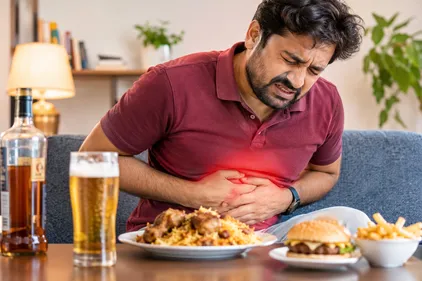
Diwali celebrations are often incomplete without lavish meals, fried snacks, sweets, and a few rounds of drinks. However, overeating and excessive alcohol consumption can do more than cause temporary bloating or acidity. In some cases, they may contribute to acute pancreatitis, a serious condition that requires immediate medical attention.
Acute pancreatitis is a sudden inflammation of the pancreas, an organ located behind the stomach that plays an important role in digestion and blood sugar regulation. While not everyone who overindulges during a festive party will develop this condition, certain dietary and lifestyle habits can increase the risk, particularly in people who already have underlying risk factors.
What Is Acute Pancreatitis?
The pancreas produces digestive enzymes that help break down fats, proteins, and carbohydrates. It also releases hormones, including insulin, which help regulate blood sugar levels.
According to a report published in the United European Gastroenterology Journal, acute pancreatitis occurs when the digestive enzymes become activated inside the pancreas instead of the small intestine. This causes inflammation and can damage pancreatic tissue.
According to Dr Neeraj Dhamija, Surgical Gastroenterologist at Sir Ganga Ram Hospital, New Delhi, alcohol consumption and heavy, fried food can put additional stress on the digestive system. Alcohol and gallstones are also recognised triggers of acute pancreatitis.
However, it is important to understand that eating a heavy or oily meal does not automatically cause pancreatitis. The risk is influenced by factors such as alcohol intake, gallstones, high triglyceride levels, and a person's existing health conditions.
Can Diwali Parties Increase the Risk of Pancreatitis?
Festive celebrations can encourage habits that may increase the risk of digestive problems.
View this post on Instagram
Here are some factors to watch out for:
Excessive alcohol consumption
Alcohol is one of the recognised causes of acute pancreatitis. Heavy or prolonged alcohol consumption can damage pancreatic cells and trigger inflammation. People who drink excessively during festive gatherings may be at greater risk, particularly if they have a history of alcohol-related pancreatic problems.
Heavy and fried foods
Diwali menus often include samosas, kachoris, pakoras, rich gravies, and other high-fat foods. While these foods do not directly cause pancreatitis in everyone, frequent overeating can aggravate digestive discomfort. Fat-rich meals may also trigger symptoms in people with gallstones, which are a major cause of acute pancreatitis.
Gallstones
Gallstones can block the pancreatic duct or the shared opening through which bile and pancreatic juices enter the small intestine. This can interfere with the normal flow of digestive enzymes and trigger inflammation.
People with existing gallstones may therefore experience an episode of acute pancreatitis, sometimes after a meal.
Also Read: Bile Duct Stones: When a Gallstone Blocks the Bile Duct
Existing health conditions
High triglyceride levels, certain medications, previous episodes of pancreatitis and some underlying medical conditions can also increase the risk. Festive overindulgence may be an additional concern for people already vulnerable to the condition.
How To Know If It Is Acidity Or Acute Pancreatitis?
One of the biggest concerns is mistaking the symptoms of acute pancreatitis for ordinary indigestion or acidity after a heavy meal.
However, the symptoms can be quite different. Acute pancreatitis commonly causes:
- Severe pain in the upper abdomen, which may spread to the back
- Persistent nausea and vomiting
- Abdominal tenderness or swelling
- Pain that may worsen after eating
- Fever and a rapid heartbeat in some cases
Dr Dhamija emphasises that severe upper abdominal pain radiating to the back, vomiting, and abdominal swelling should never be dismissed as simple acidity.
Unlike routine indigestion, acute pancreatitis requires prompt medical assessment. Anyone experiencing these warning signs should seek immediate medical attention rather than trying to manage the symptoms with antacids or home remedies.
How Can You Reduce Your Risk During Diwali?
Enjoying festive food does not mean you have to compromise your digestive health. A few mindful habits can help:
- Limit or avoid alcohol, particularly if you have a history of pancreatitis
- Avoid overeating and keep portions moderate
- Choose grilled, baked, or lightly cooked foods instead of excessive fried snacks
- Eat slowly rather than consuming large quantities in one sitting
- Stay hydrated throughout the celebrations
If you have gallstones, high triglycerides, or a previous history of pancreatitis, follow your doctor's dietary and medical advice.
Final Word
A Diwali party does not directly cause acute pancreatitis in everyone, but excessive alcohol consumption and underlying conditions such as gallstones can increase the risk. Celebrate responsibly, eat mindfully, and never ignore severe abdominal pain or persistent vomiting. Recognising the warning signs early can make a significant difference.
FAQ
Can one night of heavy drinking cause acute pancreatitis?
Yes, excessive alcohol consumption can trigger acute pancreatitis, although the risk varies between individuals. People with previous episodes or other risk factors may be particularly vulnerable.Can acute pancreatitis go away on its own?
Acute pancreatitis requires medical evaluation and treatment. Mild cases may improve with hospital-based supportive care, while severe cases can lead to serious complications. It should never be left untreated or managed through home remedies alone.
All possible measures have been taken to ensure accuracy, reliability, timeliness and authenticity of the information; however Onlymyhealth.com does not take any liability for the same. Using any information provided by the website is solely at the viewers’ discretion. In case of any medical exigencies/ persistent health issues, we advise you to seek a qualified medical practitioner before putting to use any advice/tips given by our team or any third party in form of answers/comments on the above mentioned website.
How we keep this article up to date:
We work with experts and keep a close eye on the latest in health and wellness. Whenever there is a new research or helpful information, we update our articles with accurate and useful advice.
-
Current Version
Nov 08, 2026 12:29 IST
Published By : Chanchal Sengar
Reviewed By : Dr Neeraj Dhamija