
Gone are the days when ghee was called the ‘villain’ when it comes to weight loss. Of late, ghee has been gaining popularity and praise for its health benefits. Bollywood celebrities like Aditi Rao Hydari, Janhvi Kapoor and Kareena Kapoor Khan, are among the few who swear by ghee in their diet. The medical world, as well as the fitness influencers, too talk in favour of this healthy clarified water. But one can only enjoy its benefits when the ghee is of pure quality. So how to differentiate between fake and pure ghee? This article will tell you all about it.
To get an expert view on this, we reached out to Dr Geetika Chopra, Celebrity Holistic Nutritionist. Keep reading.
Fake Vs Pure Ghee – How To Differentiate?
When you are buying ghee from the market, you need to be careful. You can identify whether the ghee is fake or pure by taking note of its characteristics. Our expert explains how to do it.
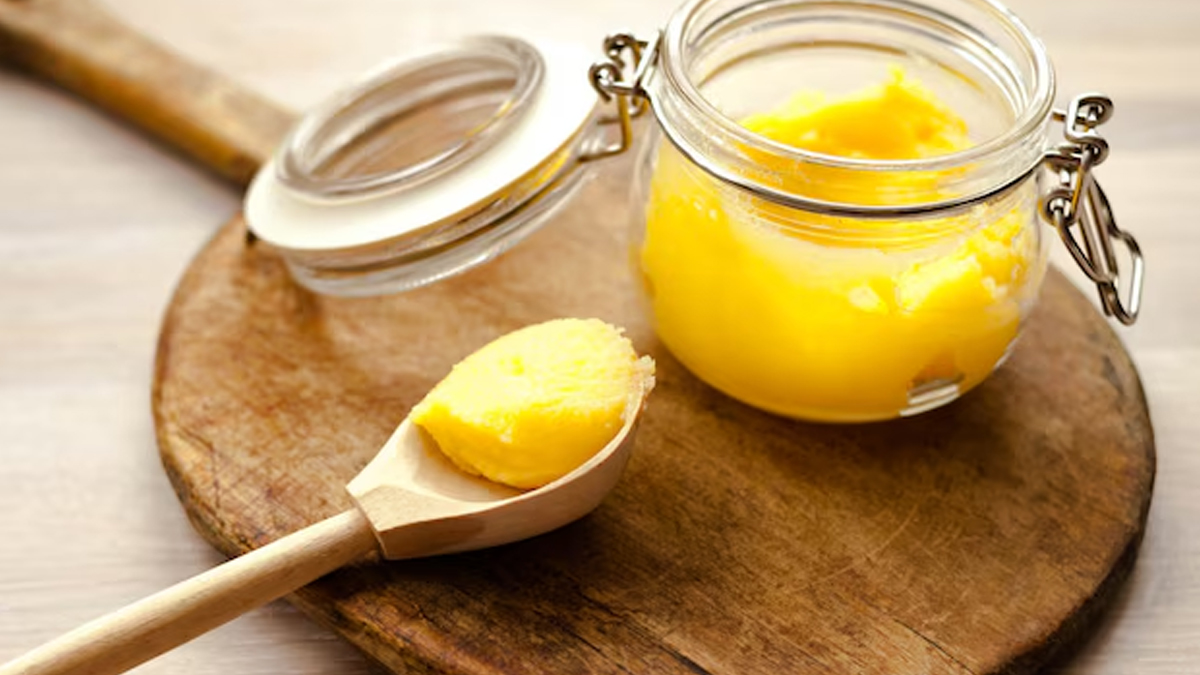
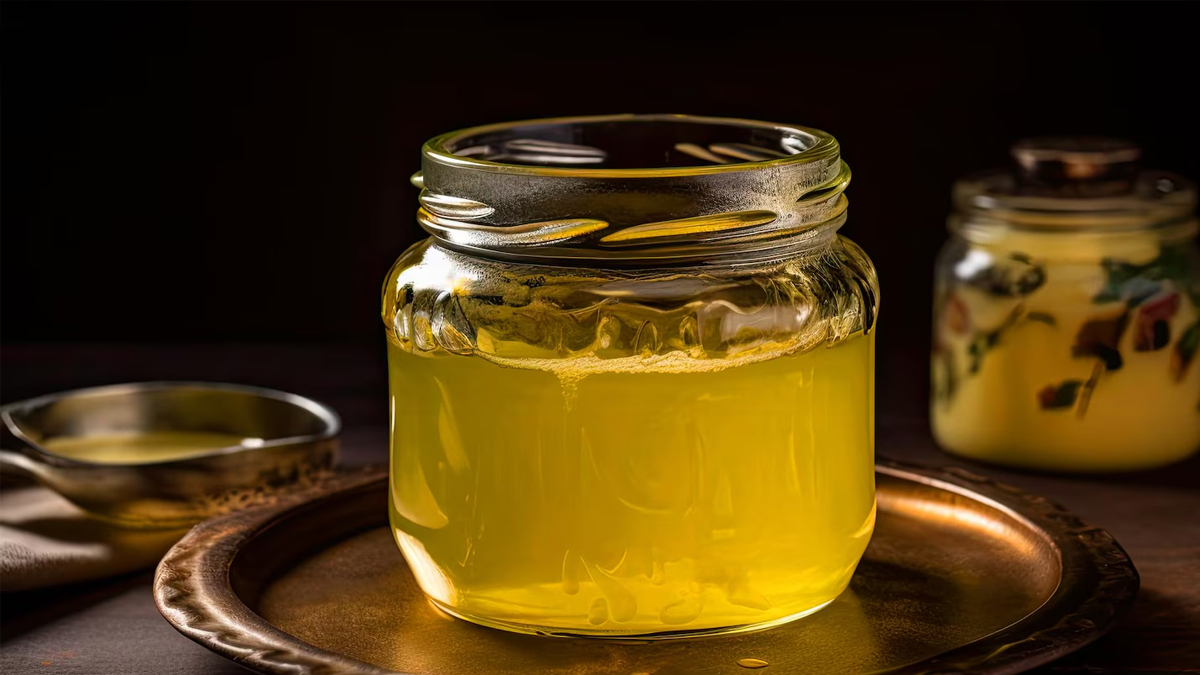
“Pure ghee has a natural golden-yellow to pale-yellow colour. Cow ghee is usually slightly more yellow, while buffalo ghee may appear lighter or off-white. The aroma of pure ghee is mild, nutty, and pleasant, becoming more pronounced when heated. In cooler temperatures, pure ghee may appear slightly grainy or semi-solid,” shares Dr Chopra.
She adds, “Fake or adulterated ghee often looks unnaturally white or overly bright, lacks a rich aroma, and may smell oily or artificial. When melted, it behaves more like refined oil rather than releasing a characteristic ghee aroma.”
 ghee 1
Home Tests To Check If Ghee Is Real Or Fake
Dr Chopra shares some simple home tests you can take to identify fake ghee:
- Heat test: Heat a small amount of ghee in a pan. Pure ghee melts slowly, releases a nutty aroma, and may leave a light brown residue. Fake ghee may smoke excessively or behave like oil.
- Palm test: Place a small amount of ghee on your palm. Pure ghee melts quickly due to body heat and releases a natural aroma.
- Water test: Add a spoon of ghee to warm water. Pure ghee floats and forms a separate layer, while adulterated ghee may mix or disperse.
“These tests are indicative and help detect adulteration, but laboratory testing is the most accurate method,” adds the expert.
Benefits And Side Effects Of Eating Fake Ghee
On this note, Dr Chopra lists down the benefits and side effects of consuming fake ghee:
Side Effects:
“Fake ghee is commonly made using vanaspati, hydrogenated fats, palm oil, or refined vegetable oils,” shares the expert. She adds that regular consumption increases trans fat intake, which is associated with –
- Heart disease.
- High cholesterol.
- Fatty liver.
- Insulin resistance.
- Chronic inflammation.
- Digestive issues such as bloating and acidity.
- Over time it can negatively impact overall metabolic health.
 ghee 3
Benefits:
- Supports digestion.
- Nourishes the gut lining.
- Helps in the absorption of fat-soluble vitamins A, D, E, and K.
- It contains butyric acid, which supports gut health and immunity.
“In appropriate quantities, ghee provides satiety, helps stabilise blood sugar levels, and supports hormonal balance,” adds the expert.
ALSO READ- Ghee Vs Butter – Which Is The Healthier Choice For Cooking?
| Characteristics | Pure Ghee |
Fake / Adulterated Ghee |
| Aroma / Smell | Rich, nutty, slightly caramelized, and distinctly dairy. |
Bland, synthetic, or smells like regular refined cooking oil. |
| Texture | Distinctly granular (danedar), especially at room temperature. |
Excessively smooth, waxy, or unusually greasy and sticky. |
| Color | Golden yellow (cow ghee) or off-white/pale yellow (buffalo ghee). |
Unnaturally bright yellow (synthetic dyes) or completely dull white. |
| Melting Point (Pan Test) | Melts immediately on a hot pan and turns slightly brownish. |
Takes much longer to melt and retains its original yellow/white color. |
| Body Heat (Palm Test) | Melts almost instantly when placed on the palm (melts at body temperature). |
Resists melting, staying solid, thick, or sticky on the skin. |
| Taste / Mouthfeel | Melts seamlessly in the mouth with a clean, pleasant aftertaste. |
May leave an unpleasant, greasy coating on the roof of the mouth. |
| Iodine Test (For Starch) | Remains its natural color when a drop of iodine is added. |
Turns blue or purple, indicating the addition of starch (like mashed potatoes). |
| Water Test (For Oil) | Solidifies completely when placed in the fridge after being melted in water. |
Separates into distinct layers of oil and solid fat when refrigerated. |
How Much Ghee Is Considered Safe?
So how much ghee is too much ghee? “For most adults, 1–2 teaspoons of ghee per day is considered safe and beneficial, depending on activity level and overall diet. Ghee has a high smoke point, making it safer than butter and many refined oils for cooking, tempering, and light frying. However, frequent deep frying should be avoided, even when using ghee,” shares Dr Chopra.
 ghee 2
And what are the common adulterants in fake ghee to watch out for? Dr Chopra breaks them down:
- Vanaspati or hydrogenated fats.
- Palm oil.
- Refined vegetable oils.
- Artificial butter flavouring.
- Synthetic colouring agents.
- Low-quality animal fats.
ALSO READ- What Happens If You Eat Ghee Every Day in Winter? Expert Tells
The Final Word
Fake or adulterated ghee often looks unnaturally white or overly bright, while pure ghee has a natural golden-yellow to pale-yellow colour. Apart from physical characteristics, some simple home tests such as palm test or heat test can also help you identify pure from fake ghee.
(Note: The main image has been created using AI)
FAQ
How to check if ghee is real or fake?
You can identify fake ghee using simple home tests.What does pure ghee look like?
Pure ghee has a golden-yellow color.Does pure ghee solidify at room temperature?
Pure ghee solidifies when refrigerated but softens at room temperature.
All possible measures have been taken to ensure accuracy, reliability, timeliness and authenticity of the information; however Onlymyhealth.com does not take any liability for the same. Using any information provided by the website is solely at the viewers’ discretion. In case of any medical exigencies/ persistent health issues, we advise you to seek a qualified medical practitioner before putting to use any advice/tips given by our team or any third party in form of answers/comments on the above mentioned website.
How we keep this article up to date:
We work with experts and keep a close eye on the latest in health and wellness. Whenever there is a new research or helpful information, we update our articles with accurate and useful advice.
-
Current Version
Feb 26, 2026 16:52 IST
Modified By : Shruti Das Feb 26, 2026 16:52 IST
Modified By : Shruti DasFeb 26, 2026 16:52 IST
Modified By : Shruti DasFeb 26, 2026 16:52 IST
Modified By : Shruti DasFeb 26, 2026 16:52 IST
Published By : Shruti Das
Reviewed By : Dr Geetika Chopra