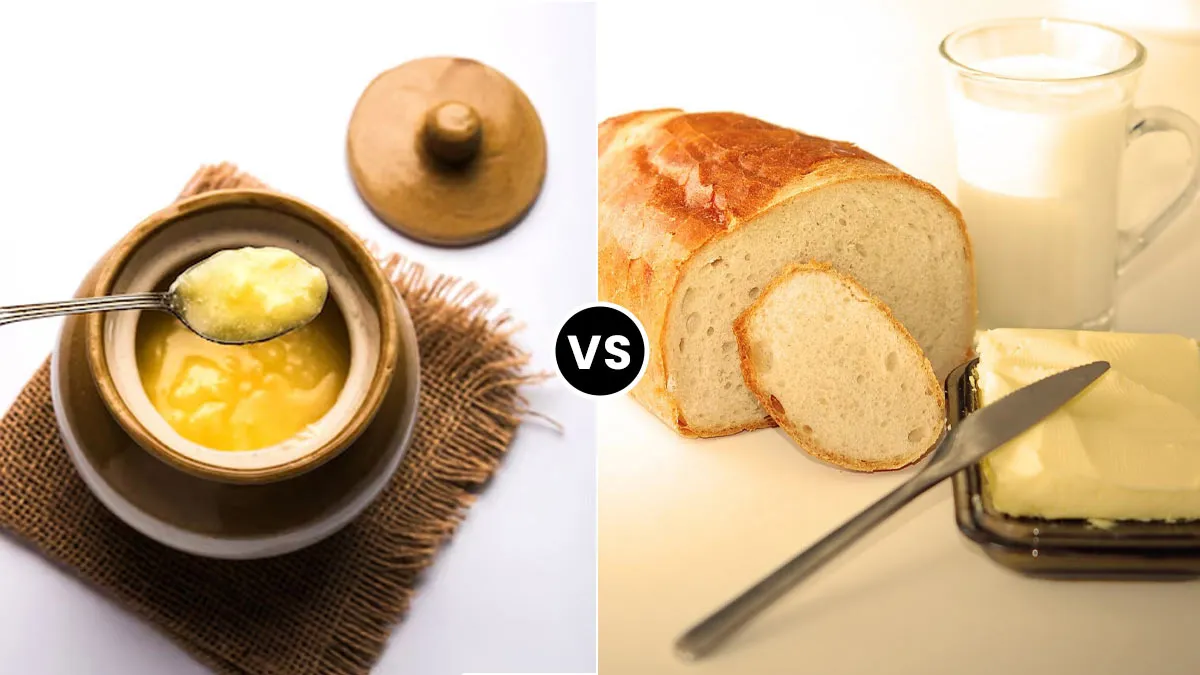
Cooking using oils is the most common kitchen practice. People use different kinds of oils these days. Even ghee and butter is often used by many to prepare meals, especially for saute or light frying. But from a health perspective, which one is better for cooking – ghee or butter? Today, we will answer this for you.
The editorial team of OnlyMyHealth reached out to Dr Geetika Chopra, Celebrity Holistic Nutritionist to get an expert view on this topic. Keep reading.
Is Ghee Good For Cooking?
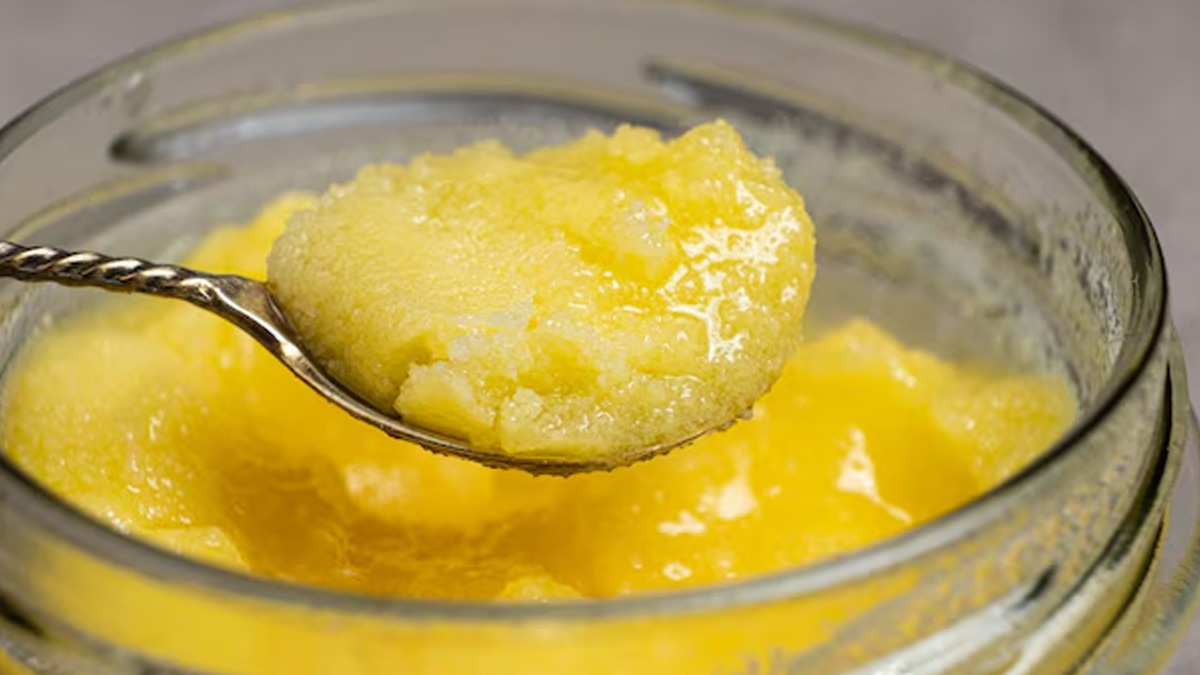
First things first, is cooking with ghee a bad or good idea? “Yes, I genuinely consider ghee oneof the best fats for cooking, especially in Indian kitchens, where cooking temperatures are often high. Ghee is a clarified fat, meaning the milk proteins (casein), lactose, and water content are removed. From a food science and nutrition standpoint, this makes ghee extremely heat-stable. It has a high smoke point, so it does not oxidise easily or break down into harmful free radicals when heated,” shares Dr Chopra.
 ghee butter inside 1
She adds, “This stability is exactly what we want in a cooking fat. When oils or butter are overheated, they form inflammatory compounds that burden the liver, gut, and skin. Ghee avoids this oxidative stress. That’s why my kitchen rule is simple: if heat is involved, ghee is involved. Nutritionally, ghee supports absorption of fat-soluble vitamins A, D, E, and K — vitamins critical not just for immunity and bones, but also for skin repair, elasticity, and glow. Many people focus on external skincare, but without these fats in the diet, skin remains dry, dull, or inflamed. When used correctly, ghee nourishes the body from within, and the skin reflects that balance.”
Also Read: Ghee in Winter: Benefits and the Right Way to Consume, Expert Explains
Is Butter Good For Cooking?
Now that we know that ghee is good for cooking, let us try and understand whether butter is apt when it comes to preparing meals or not.
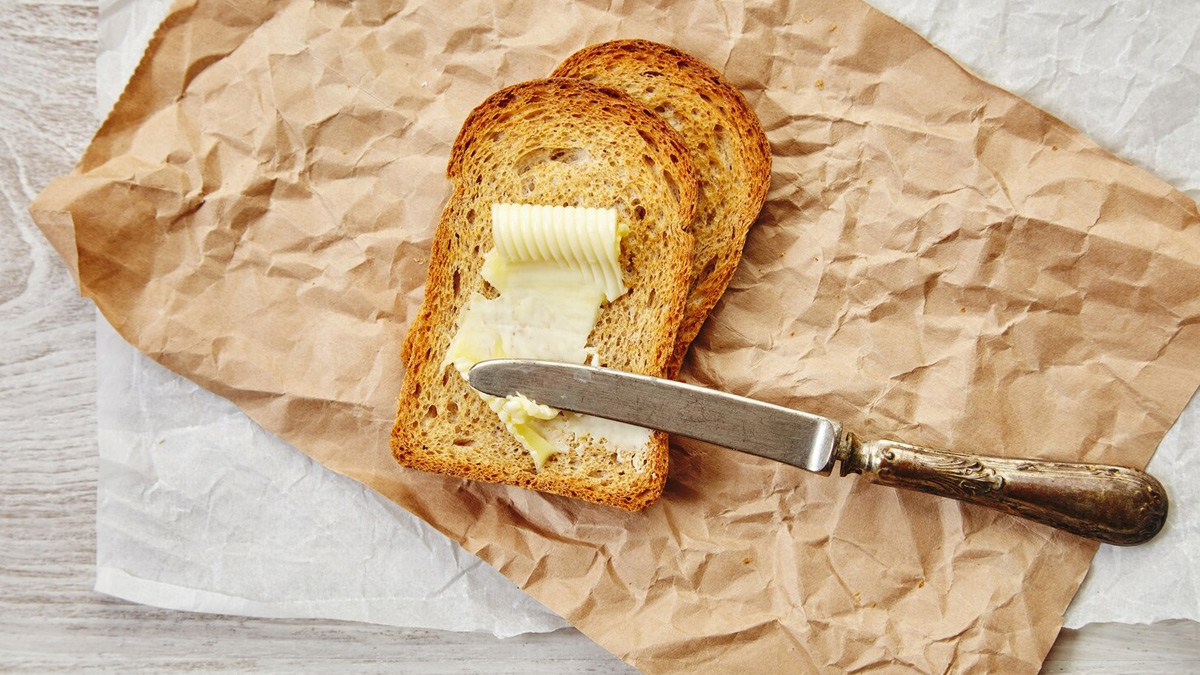
“Butter is not something I recommend for regular cooking, especially in Indian-style sautéing or frying. Unlike ghee, butter contains water and milk solids, which makes it unstable at high temperatures. Once butter browns or smokes, its proteins burn and form inflammatory compounds,” answers Dr Chopra.
 ghee butter inside 2
She continues further, “From a clinical perspective, this repeated exposure to oxidised fats can worsen gut inflammation, hormonal imbalance, and even skin sensitivity, including acne or breakouts in prone individuals. That’s why I always say butter is a finishing fat, not a cooking fat. It has comfort value, but science does not support high-heat usage.”
Benefits And Risks Of Cooking With Ghee
On this note, Dr Chopra shares the pros and cons of cooking with ghee:
Benefits:
- Ghee is calorie-dense but efficient. A small amount provides satiety, stabilises hunger hormones, and supports digestion. One reason ghee indirectly helps skin health is by improving nutrient absorption and gut integrity — both of which strongly influence acne, pigmentation, and dryness.
- Traditional ghee contains butyric acid, which reduces gut inflammation. Since many skin conditions are linked to gut, improving gut lining through diet often visibly improves skin texture and brightness.
- Beyond cooking, ghee mixed with warm water in the morning can be helpful. It lubricates the gut, supports regular bowel movements, and reduces internal toxin buildup — something Ayurveda and modern gut-skin science both agree reflects positively on the skin.
- Topical use matters too. Ghee massage on the soles at night helps calm the nervous system, improve sleep quality, and indirectly supports skin repair, since skin regeneration peaks during deep sleep.
Risks:
- The problem with ghee is never ghee itself — its use in excess is the issue. Overuse can overshoot calories, especially in sedentary or insulin-resistant individuals. I always say: measure ghee like medicine, not like oil.
- Quality is equally important. Impure or adulterated ghee will not provide these benefits and may worsen inflammation instead.
Pros And Cons Of Cooking With Butter
After ghee, it’s time to get a comprehensive view of the benefits and risks of cooking with butter:
Benefits:
- Butter does have a place in a balanced diet — when chosen and used correctly. Fresh, homemade white butter is very different from packaged yellow butter. White butter, especially when made at home, is free from preservatives and excess salt and carries a comforting nutritional value.
- On a cold winter day, a small amount of freshly churned white butter melted over a hot paratha is warming, satisfying, and deeply rooted in traditional Indian nutrition.
- Used this way — as a topping after cooking — butter adds flavour, nourishment, and satiety without harming digestion or metabolism.
Risks:
- The problem arises when butter is used incorrectly or when commercial yellow butter replaces traditional white butter.
- Yellow butter, especially salted and packaged varieties, contains excess sodium, additives, and oxidised fats that can promote inflammation, bloating, and poor digestion.
- Cooking with butter at high heat further damages its structure, making it heavy on the gut and unsuitable for regular use.
- Repeated heating of yellow butter is something I consistently discourage in daily cooking routines.
Ghee Vs Butter – Which Is Better For Cooking?
Last but not the least, let us address the main question – which one is better when it comes to cooking – ghee or butter?
“For cooking, the science remains clear: ghee is the winner. It is heat-stable, digestion-friendly, and nutritionally efficient. Butter — specifically fresh white butter — still has a place, but outside the pan,” answers Dr Chopra.
“One of my most practical and loved kitchen rules is: Cook in ghee. Finish with white butter. This way, you get the metabolic and digestive benefits of ghee along with the winter comfort and flavour of white butter — while clearly avoiding yellow commercial butter that can do more harm than good,” concludes Dr Chopra.
Also Read: What Happens If You Eat Ghee Every Day in Winter? Expert Tells
The Final Word
When it comes to cooking, ghee is better than butter. Ghee is heat-stable, digestion-friendly, and nutritionally efficient. Butter is good, specifically fresh white butter; but is better to top off dishes and not for cooking.
FAQ
Is cooking with ghee healthy?
Yes, cooking with ghee is generally considered healthy, especially in moderation.Is cooking with butter healthy?
When you cook, butter is not the best choice.Is ghee better than oil for cooking?
Ghee isn't universally ‘better’ than oil; they serve different purposes.
All possible measures have been taken to ensure accuracy, reliability, timeliness and authenticity of the information; however Onlymyhealth.com does not take any liability for the same. Using any information provided by the website is solely at the viewers’ discretion. In case of any medical exigencies/ persistent health issues, we advise you to seek a qualified medical practitioner before putting to use any advice/tips given by our team or any third party in form of answers/comments on the above mentioned website.
How we keep this article up to date:
We work with experts and keep a close eye on the latest in health and wellness. Whenever there is a new research or helpful information, we update our articles with accurate and useful advice.
-
Current Version
Dec 29, 2025 13:20 IST
Modified By : Shruti Das Dec 29, 2025 13:20 IST
Modified By : Shruti DasDec 29, 2025 13:20 IST
Published By : Shruti Das
Reviewed By : Dr Geetika Chopra