

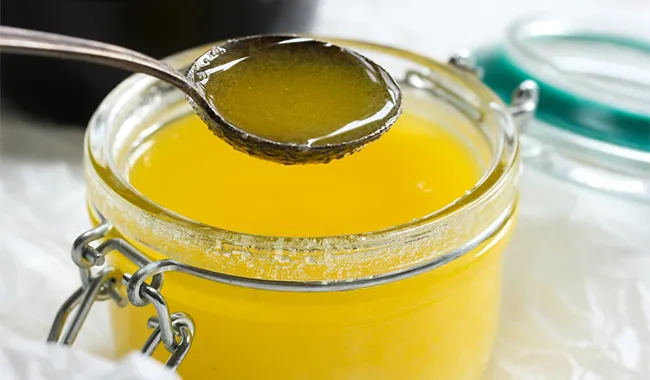
With December rolling in full power, people in Indian households instinctively reach out for ghee in almost every meal. From drizzling it over hot rotis to melting it into dal, ghee has become a seasonal staple. But why does ghee become important in winter, and how much is good for you?
Table of Content:-
According to nutrition expert, Aayesha Parveen, Consultant, Nutritionist, Kinder Women’s Hospital and Fertility Centre, Bangalore, this age-old ingredient does much more than make meals delicious. She exclusively explained to us that ghee provides warmth, boosts immunity, strengthens skin and joints, and supports overall winter wellness. Here’s how ghee becomes our body’s best companion during winter, the healthiest ways to consume it, and everything expert Aayesha shared with us.
Why Ghee Becomes a Winter Essential
A drop in temperature leads to slower metabolism, dry skin, stiff joints, and increased craving for warm, comfort foods. According to Aayesha, ghee addresses many of these seasonal concerns because it is warming, energy-dense, and rich in essential nutrients. Here are a few reasons why ghee has become a winter essential:
1. Provides Warmth and Energy
Ghee is rich in healthy saturated fats that generate internal heat. Therefore, it is very effective for those who suffer from excessive coldness, lack of appetite during winter, or lethargy. A small amount can regulate the energy levels and keep you active during the day.
Also Read: Got Constipation? These 7 Kitchen Remedies Work As Natural Stool Softeners
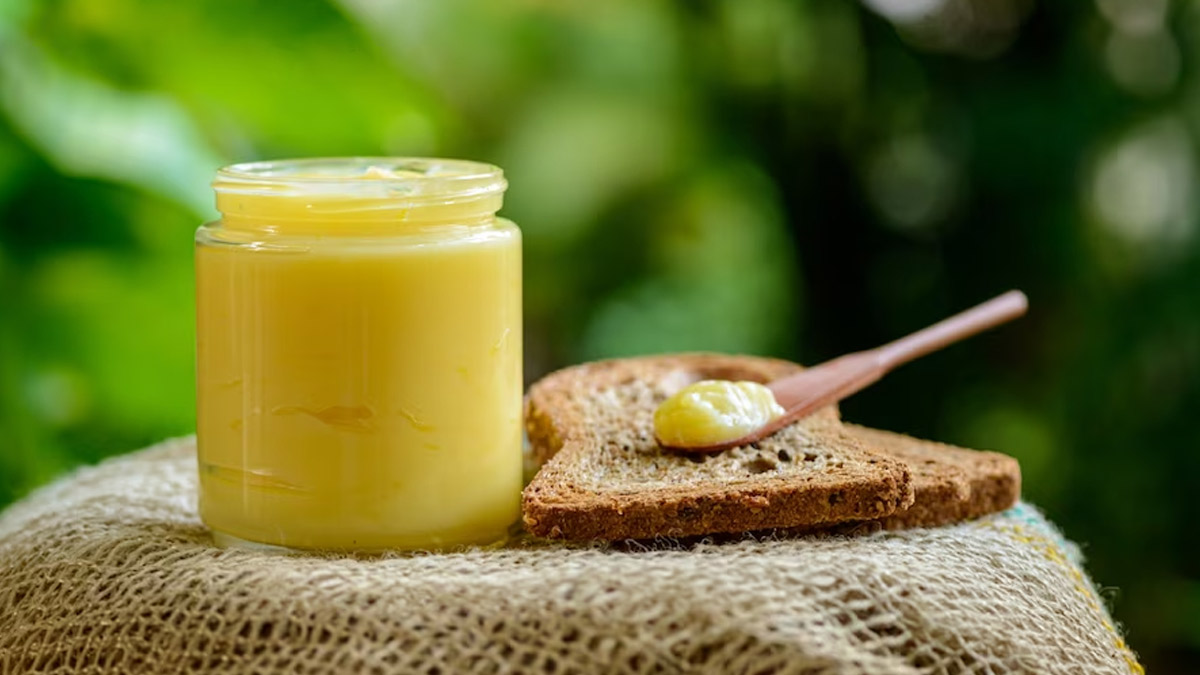
2. Supports Immunity
Winter is also peak season for infections, so our body needs strong immunity. According to experts, ghee contains butyrate, which helps to support gut health, and a healthy gut is directly linked to better immunity. "Butyrate cuts down on inflammation and helps the gut lining, allowing the body to fight infections with much more efficiency," said Aayesha.
3. Excellent for Skin and Hair
Dry, flaky skin and brittle hair are common winter complaints due to a lack of moisture in the air. Ghee has essential fatty acids that help nourish the body from within and keep moisture locked in. Additionally, in Ayurveda, ghee is also considered a rasayana, which means a rejuvenating elixir for glowing skin.
4. Relieves Joint Pain and Inflammation
Cold weather worsens the symptoms of joint stiffness and body aches. But Ghee has natural lubricating qualities, which help in enhancing mobility. The daily consumption of this product in winter reduces stiffness and nurtures the joints.
5. Enhances Nutrient Absorption
Many winter vegetables, like carrots, spinach, mustard greens, contain fat-soluble vitamins A, D, E and K. Aayesha said, "Without healthy fats, your body cannot absorb those vitamins. Ghee helps enhance nutrient uptake and makes your meals more effective."
ALSO READ- Expert Reveals Why You Should Not Massage Your Infant With Ghee
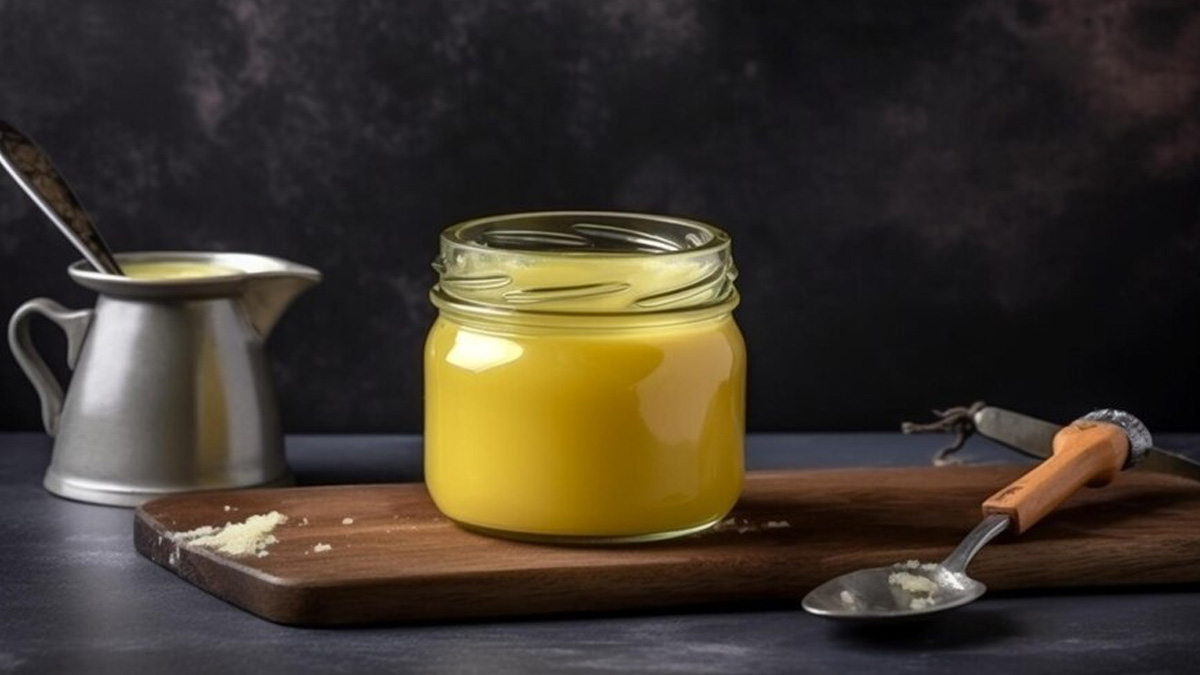
How Much Ghee Is Safe to Consume?
Although ghee has various benefits, Aayesha warned that it should still be consumed in moderation. Here is what she suggested:
- Healthy adults: One to two teaspoons per day
- Active persons or those residing in extremely cold areas: Up to three teaspoons
- People with heart disease or high cholesterol: Consult a doctor before increasing intake
Aayesha stressed that the source is everything. Always use pure, good-quality cow ghee or A2 ghee for maximum benefit.
The Right Way to Consume Ghee in Winter
Small changes in the way one eats ghee can greatly heighten its effectiveness. Here’s the right way to consume ghee in winter:
1. Start Your Day With Ghee
Have one teaspoon of melted ghee in warm water or on an empty stomach to support digestion, improve metabolism, and keep you warm.
2. Add Ghee to Winter Meals
Ghee is best paired with warm, cooked meals. Add it to:
- Khichdi
- Dal
- Rotis (increased nutrient absorption with a thin layer)
- Winter vegetable sabzis
- Millet preparations like bajra roti or ragi porridge
3. Avoid Mixing Ghee With These
Ghee should not be taken with honey in equal proportions, as this is considered toxic according to Ayurveda. Secondly, avoid heating ghee on very high flames as it might destroy its nutrition.
4. Cook with Ghee When Necessary
Ghee actually contains a very high smoke point, which makes it less dangerous in light sautés and frying than many oils, but do not begin to depend on it alone for cooking fat.
Who Should Be Careful With Ghee?
- Individuals with obesity, fatty liver, or high LDL levels
- People undergoing gallbladder surgery recovery
- Those with very slow digestion or frequent acidity
- These individuals should start with very small quantities or seek medical advice.
Bottomline
Ghee can be a potent winter ally that works to improve immunity, digestion, energy levels, skin, and joint health, but expert warns that it should only be consumed in moderation and in the right way.
Also watch this video
FAQ
1. Can people with weight loss goals consume ghee during winter?
Yes, small quantities of ghee might actually support metabolism, improve satiety, and reduce overeating.2. Is ghee better than oil for winter cooking?
Ghee has a higher smoke point and warming properties, making it suitable for meals in winter; however, that too should not replace all oils.3. Is ghee suitable for children and elderly people?
Yes, in moderation. Ghee encourages immunity, digestion, and healthy bones, which are important throughout life.
How we keep this article up to date:
We work with experts and keep a close eye on the latest in health and wellness. Whenever there is a new research or helpful information, we update our articles with accurate and useful advice.
Current Version
Dec 01, 2025 15:44 IST
Published By : Tanya Srivastava