
Most women feel their everyday look is incomplete without lipstick. And these days, there are too many varieties of them available in the market. One such variety is long-lasting lipstick. They are designed for extended wear, resisting fading, smudging, and transferring for hours. Since these lipsticks offer a rich look, they are often preferred by many women. But what about its health impact? Can long-lasting lipsticks harm our lip skin? Let’s find out.
To get an expert view on this topic, the editorial team of OnlyMyHealth reached out to Dr Ruben Bhasin Passi, Consultant- Dermatologist, CK Birla Hospital, Gurugram.
Are Long-lasting Lipsticks Bad For Lip Skin?
It’s always good to start straightaway by addressing the main point. So, are these long-lasting lipsticks good or bad for us? “Long-lasting lipsticks are quite popular due to their smudge-proof texture, but dermatologists feel that excessive use can affect the lip area. This is because the skin on the lip area is much thinner compared to the skin on the entire face; and the lip area does not possess oil glands,” says Dr Passi.
According to a study published last year, researchers tested 12 lipsticks sold in Ghana. They discovered dangerously high levels of heavy metals such as chromium, manganese, nickel, copper, cadmium, and lead in them. On this note, let us take a look at the common harmful ingredients believed to be present in a lipstick:
- Lead - It is one of the most concerning ingredients present in lipsticks. Its long-term exposure can affect the brain, nervous system, and hormones. Even tiny amounts may build up in the body over time.
- Parabens - Parabens function as preservatives to prevent the growth of bacteria and mold. But they can mimic estrogen in the body and even interfere with hormonal balance.
- Cadmium and Chromium - These heavy metals may be present in certain bright or metallic lipsticks. Prolonged exposure can damage kidneys, bones, and liver function.
- Mineral Oil Hydrocarbons - These are found in cheaper lipsticks; they can clog pores and cause irritation in some users.
- Artificial Fragrances and Dyes - They can trigger allergic reactions, irritation, or inflammation on sensitive lips.
- Polyethylene and Microplastics - These are often added for texture or shine; these can harm not only your health, but also the environment.
 lipstick long 1
How Long-lasting Lipsticks Can Affect Lip Health
Now that we know that long-lasting lipsticks are harmful, it’s time to understand how they can affect our lip skin. “Long-lasting lipsticks can affect the lip skin when used regularly. According to dermatologists, long-lasting lipsticks are made in a manner that they stick properly to lips, which means they often contain drying agents. It is safe to apply them sometimes, but regular application can cause dryness, flaking, and irritation in lips when their care is overlooked,” explains Dr Passi.
Regular use of lipsticks has the potential to cause:
- Allergic reactions like itching, redness, and peeling lips.
- Hormonal imbalances caused by substances like parabens.
- Toxic buildup of metals such as lead and cadmium in the body.
- Skin pigmentation or discoloration on and around the lips.
- Long-term organ damage in severe cases of chemical exposure.
Also Read: Studies Claim Lipsticks May Cause Cancer – Experts Decode
Side Effects Of Using Long-lasting Lipsticks
Long-lasting lipsticks do affect our lip skin negatively. But what exactly are the side effects? Dr Passi lists them down for our better understanding:
- Among the most critical issues linked to the use of lipstick is dehydration.
- Most long-lasting and matte types of lipstick contain solvent alcohols that evaporate rapidly to set the color. Even though the lipstick remains long-lasting, it eliminates the natural lipid layer found on the lips.
- Another issue is impaired skin barrier function. The strong pigments and film-forming ingredients can prevent lips from breathing properly, weakening the protective barrier and making them more susceptible to irritation and environmental damage.
- Removing long-lasting lipstick often requires vigorous rubbing or harsh makeup removers, which can further damage the sensitive lip skin and cause micro-tears.
- Some formulations may also contain fragrances, preservatives, or dyes that trigger allergic reactions or contact dermatitis, especially in people with sensitive skin.
- Over time, this can result in darkening of the lips, persistent dryness, or inflammation.
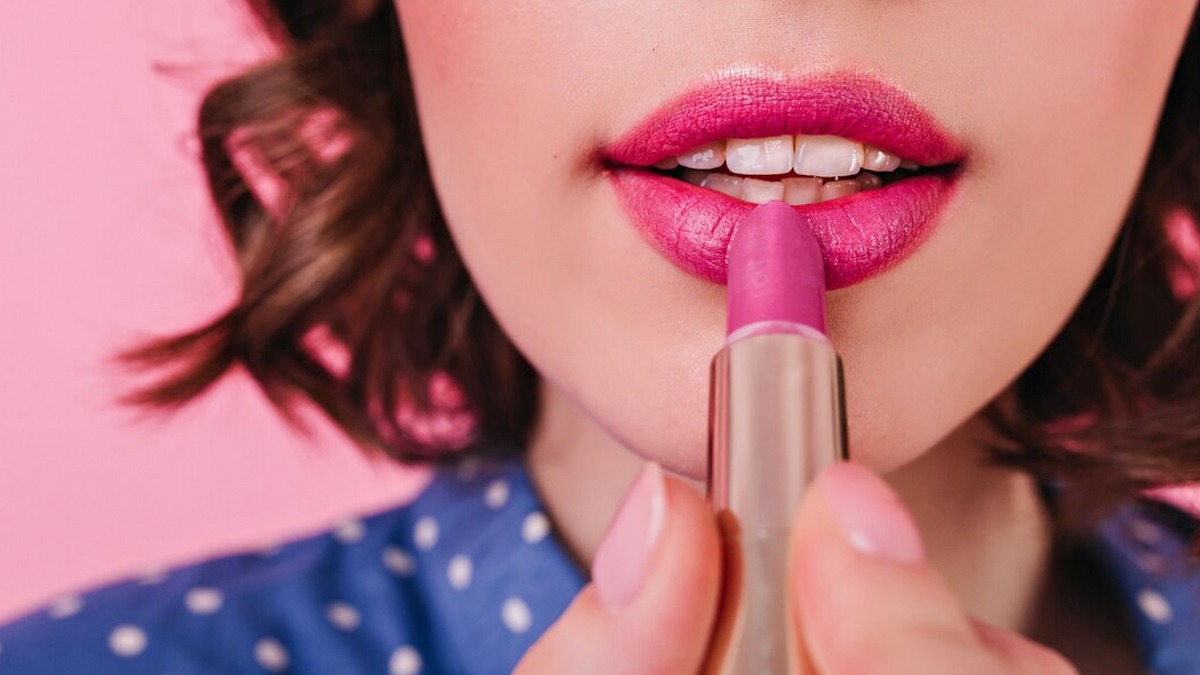 lipstick long 2
Tips To Choose The Right Lipstick
While buying our next lipstick, here are few things to keep in mind, as shared by Dr Passi:
- It is recommended to select hydrating or semi-matte lipsticks enriched with nourishing ingredients such as shea butter, cocoa butter, jojoba oil, vitamin E, and ceramides. Using a lip primer or balm underneath lipstick helps create a protective barrier and reduces moisture loss.
- It is also advisable to limit long-lasting lipstick use to special occasions, remove it gently at the end of the day.
- Regularly exfoliate and moisturise the lips.
 lipstick long 3
“Healthy lips depend not just on the product you choose, but also on how you care for them daily,” concludes Dr Passi.
The Final Word
Long-lasting lipsticks are quite popular due to their smudge-proof texture, but dermatologists feel that excessive use can affect the lip area. These lipsticks are made in a manner that they stick properly to lips, which means they often contain drying agents. It is safe to apply them sometimes, but regular application can cause dryness, flaking, and irritation in lips when their care is overlooked.
FAQ
Is lipstick safe for health?
Prolonged exposure to lead can be toxic, but the trace amounts in regulated brands are usually within safe limits.Do all lipsticks contain fish scales?
No, not all lipsticks contain fish scales.Which chemical is found in lipstick?
The most popular cosmetic item, lipstick is made up of several different chemicals such as petroleum, paraffins, phthalates, lead and other hazardous metals, coal tar colors, and fragrances.
All possible measures have been taken to ensure accuracy, reliability, timeliness and authenticity of the information; however Onlymyhealth.com does not take any liability for the same. Using any information provided by the website is solely at the viewers’ discretion. In case of any medical exigencies/ persistent health issues, we advise you to seek a qualified medical practitioner before putting to use any advice/tips given by our team or any third party in form of answers/comments on the above mentioned website.
How we keep this article up to date:
We work with experts and keep a close eye on the latest in health and wellness. Whenever there is a new research or helpful information, we update our articles with accurate and useful advice.
-
Current Version
Jan 09, 2026 17:00 IST
Modified By : Shruti Das Jan 09, 2026 17:00 IST
Modified By : Shruti DasJan 09, 2026 17:00 IST
Published By : Shruti Das
Reviewed By : Dr Ruben Bhasin Passi