Some people eat healthy, work out, meditate, and still witness a blood sugar spike. This is because they often overlook one important health aspect: starting your day with a healthy breakfast. The importance of eating a nutritious and healthy breakfast has far-reaching and long-term health benefits. On this note, we ask our expert to share some common breakfast mistakes that may be leading to a blood sugar spike.
To understand this better, we reached out to Ms Chitra BK, Chief of Dietetics, KIMS Hospitals, Electronic City, Bengaluru.
5 Common Mistakes to Avoid Blood Sugar Spike From Breakfast
Ms Chitra says that the breakfast you eat can have an impact on your energy levels as well as blood sugar. “I see many individuals who think that their breakfast is healthy, not realising that it is high in refined carbs and added sugars,” she adds. On this note, the expert lists five common breakfast mistakes that you must avoid:
1. Choosing sugary meals
Sweet cereals, flavoured yoghurts, pastries, biscuits and sweet tea/coffee have been shown to trigger blood sugar. Unsweetened food items should be chosen and fruits should be used to sweeten where necessary.
2. Eating carbohydrates straight
A breakfast consisting of toast or idli may leave people hungry. It is a good idea to combine such items with protein such as eggs or curds.
3. Consuming white flour too frequently
White bread and food made from white flour are metabolically digestible. Try consuming foods that are composed of whole wheat, oats, millets and other products rich in fibre.

4. Drinking rather than eating
Fruit juices, sweet drinks, and some smoothies are very high in carbohydrates. They do not even fill the stomach as much as a whole fruit would. Therefore, it is advised to consume whole fruit and unsweetened beverages.
5. Serving sizes
Even healthy foods can result in a high surge in glucose when consumed in excess. Breakfast should be based on proteins, fibre-rich elements such as grains, vegetables and fruits, healthy fats and a suitable amount of carbohydrates.
“The idea here is not the exclusion of carbs at breakfast, but rather the inclusion of carbs along with proteins and fibre. The idea is to eat less processed foods and thus feel fuller for longer periods,” shares Ms Chitra.
How Breakfast Impacts Blood Sugar
A 2016 study, published in the journal Advances in Nutrition, explores how eating breakfast and the types of food you choose can affect your overall blood sugar control and risk of type 2 diabetes. Researchers discovered that skipping breakfast has a strong link to weight gain, metabolic syndrome, and a higher risk of developing diabetes.
When you skip a morning meal, your body experiences a prolonged spike in fatty acids that can make you less sensitive to insulin later in the day. On the other hand, eating breakfast boosts your body's ability to manage glucose and insulin responses throughout the entire day.
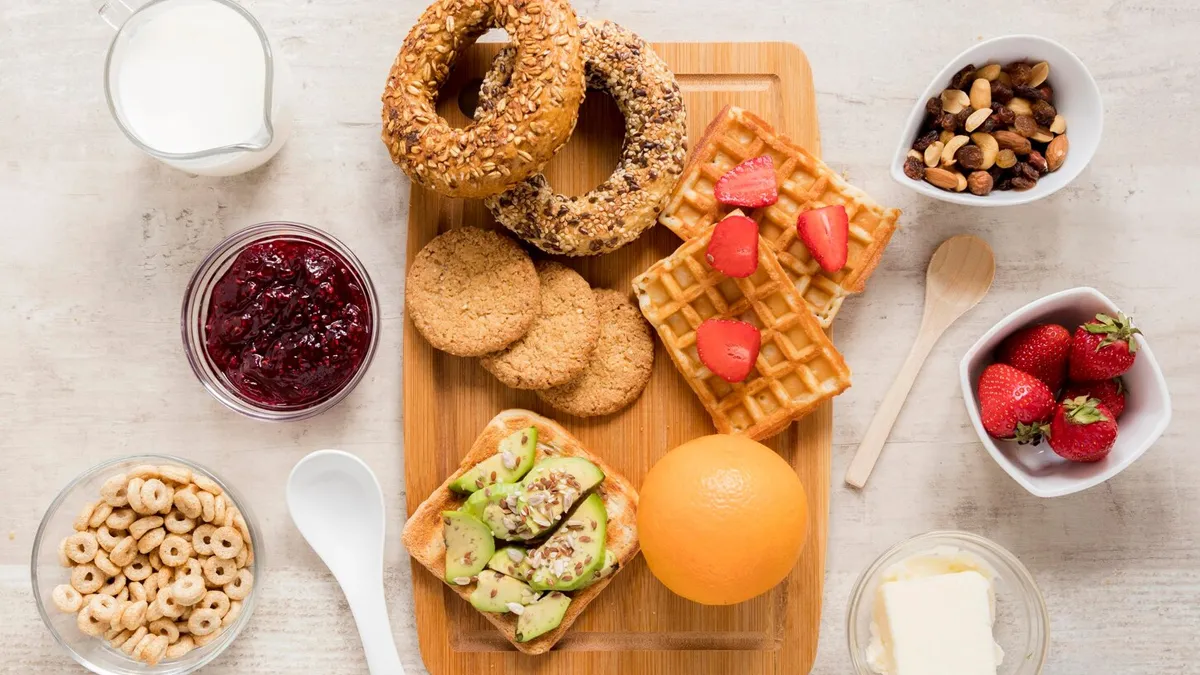
Our bodies are also naturally better at processing carbohydrates in the morning due to our daily hormonal rhythms. In fact, eating a large, high-energy breakfast followed by a small dinner can significantly minimise post-meal blood sugar spikes, as compared to eating a small breakfast and a large dinner. However, what you eat for breakfast is just as important as whether you eat it at all.
Breakfasts that are full of fast-absorbing carbohydrates, such as sugary pastries or white bread, can increase your blood sugar. Swapping these fast carbohydrates with proteins, healthy fats, whole grains, and fibres slows down sugar absorption. This can keep your glucose levels stable. The study concludes that enjoying a morning meal that is rich in fibre and whole grains, while avoiding quick-digesting sugars, is a good way to protect your long-term blood sugar health.

Can Breakfast Impact Heart Health?
A 2021 study, published in the journal Medicine, examined how a regular breakfast habit affects the risk of developing heart and metabolic diseases. The researchers analysed data from 14 different studies to find a clear pattern.
The study discovered that eating breakfast more than three times a week significantly lowers your risk of cardiovascular diseases. People who ate breakfast regularly showed a lower chance of suffering from strokes and dying from cardiovascular events. Moreover, a steady breakfast routine minimised the likelihood of developing high blood pressure, obesity, and type 2 diabetes.
The findings note that skipping breakfast, even just once a week, minimised these protective heart and metabolic benefits. The researchers add that eating breakfast aids in increased satiety. This prevents overeating later in the day and helps in weight management. However, the study confirms that eating breakfast did not significantly lower the risk for hypercholesterolemia or coronary heart disease. It concludes that medical experts should strongly encourage people to eat breakfast daily to protect their heart health.
ALSO READ- Eating The Same Breakfast Every Day – Healthy or Harmful? Dietitian Explains
Conclusion
Eating a balanced breakfast is an important step for maintaining steady blood sugar levels. This habit also protects your long-term cardiovascular health. Swapping refined carbohydrates and sugary drinks for meals rich in whole grains, protein, and fibre can prevent glucose spikes in the morning. These meals can also keep you full throughout the day. To conclude, choosing a nutrient-dense morning meal can serve as a powerful, everyday defence against blood sugar spike and heart complications.
FAQ
Which breakfasts cause spikes in blood sugar?
Carbohydrate-heavy and low-fibre breakfast foods digest quickly and cause rapid spikes in morning blood sugar.Should you eat breakfast if your blood sugar is high?
Yes, you should never skip breakfast; but you need to choose the right foods to avoid pushing your blood sugar even higher.
All possible measures have been taken to ensure accuracy, reliability, timeliness and authenticity of the information; however Onlymyhealth.com does not take any liability for the same. Using any information provided by the website is solely at the viewers’ discretion. In case of any medical exigencies/ persistent health issues, we advise you to seek a qualified medical practitioner before putting to use any advice/tips given by our team or any third party in form of answers/comments on the above mentioned website.

How we keep this article up to date:
We work with experts and keep a close eye on the latest in health and wellness. Whenever there is a new research or helpful information, we update our articles with accurate and useful advice.
-
Current Version
Sep 18, 2026 13:21 IST
Published By : Shruti Das
Reviewed By : Ms Chitra B K