
Rice is a dietary staple for many. However, its high carbohydrate content often raises concerns about sudden blood sugar spikes. There is a popular hack that suggests how eating leftover cold rice may alter its chemical structure, making it healthier for your glucose levels. To understand the science behind this claim and whether it is actually effective or not, we consulted a clinical nutrition expert.
Let us take a look at what Ms Veena V, Chief Clinical Dietician and HOD, Department of Clinical Nutrition and Dietetics, Aster Whitefield Hospital Bangalore, has to say about this.
Can Eating Leftover Cold Rice Prevent Blood Sugar Spikes?
Ms Veena says that interestingly, cooling cooked rice before eating it can influence how the body processes its carbohydrates.
The expert explains, “When rice is cooked and then cooled, some of its digestible starch is converted into what is known as resistant starch. Resistant starch is less readily broken down in the small intestine, which may result in a slower rise in blood sugar levels compared with freshly cooked hot rice. This means that leftover cold rice, or rice that has been cooled and later reheated, may have a modest advantage in blood sugar management.”
“However, it is important not to overstate the effect. Cooling rice does not transform it into a low-carbohydrate food, nor does it eliminate the need for portion control. Blood sugar responses are influenced by many factors, including serving size, individual metabolism, and what foods are eaten alongside the rice. Pairing rice with protein, vegetables, legumes, and healthy fats can further help moderate post-meal blood sugar spikes,” she adds.
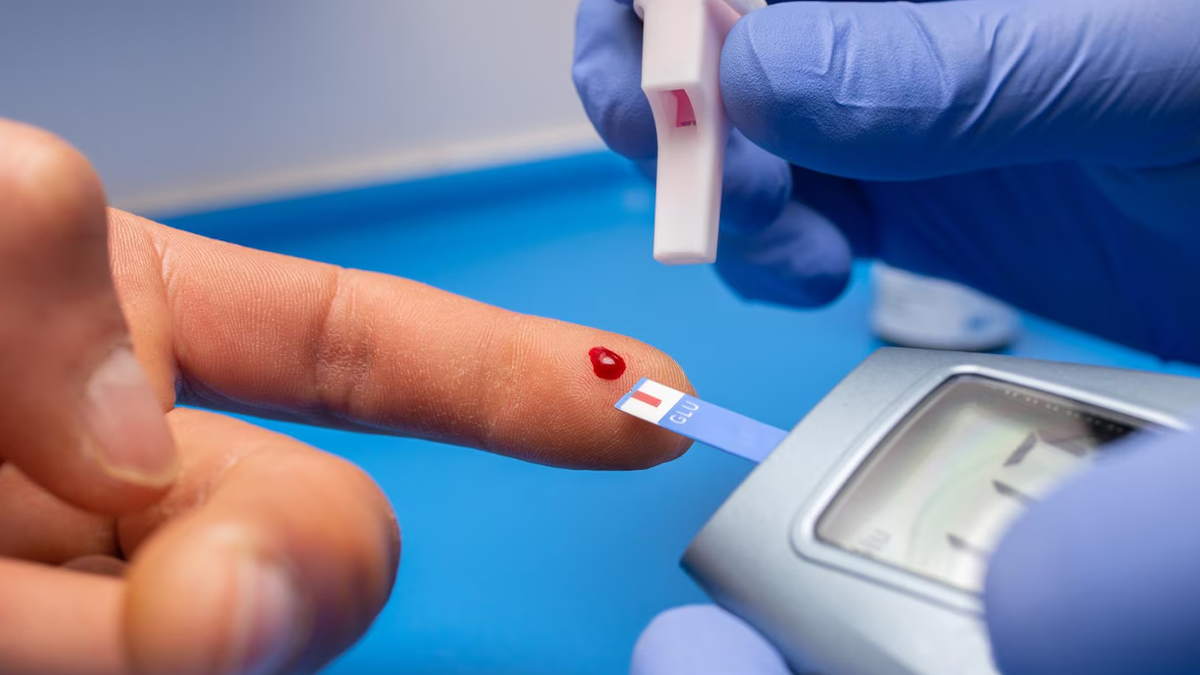
A 2015 study, published in the Asia Pacific Journal of Clinical Nutrition, noted that cooling cooked white rice in the fridge for 24 hours and reheating it increases its resistant starch, which changes how your body digests it. It adds that as a result, eating this leftover reheated rice causes a significantly lower blood sugar spike compared to eating freshly cooked hot rice.
 cold rise blood sugar 1
Tips To Avoid Food Poisoning Caused By Leftover Rice
Ms Veena says that while eating leftover rice, food safety is another important consideration.
“Cooked rice can harbor spores of Bacillus cereus, a bacterium capable of causing food poisoning, if the rice is left at room temperature for extended periods,” she warns. To reduce risk, the expert recommends taking the following precautions:
- Rice should be cooled quickly after cooking and refrigerated within about two hours.
- Store it in shallow containers to promote faster cooling and keep it refrigerated at 4°C (40°F) or below.
- Leftover rice is best consumed within one to two days, although some food safety agencies allow slightly longer storage when refrigeration is consistent.
- When reheating rice, ensure it is steaming hot throughout.
- Avoid repeatedly reheating the same batch, and discard any rice that has been left unrefrigerated for too long.
- Proper storage is just as important as any potential blood sugar benefits.
ALSO READ- Brown Rice vs White Rice: Which is Better for Weight Loss? Dietitian Explains
Conclusion
Cooling cooked rice increases its resistant starch and offers modest blood sugar benefits. However, this does not magically make rice a low-carb food. Portion control and balancing your meal with adequate proteins and fibres are important for effective overall blood sugar management. Additionally, you must always exercise caution by promptly refrigerating leftovers and reheating them properly to avoid dangerous bacterial infections.
All possible measures have been taken to ensure accuracy, reliability, timeliness and authenticity of the information; however Onlymyhealth.com does not take any liability for the same. Using any information provided by the website is solely at the viewers’ discretion. In case of any medical exigencies/ persistent health issues, we advise you to seek a qualified medical practitioner before putting to use any advice/tips given by our team or any third party in form of answers/comments on the above mentioned website.
How we keep this article up to date:
We work with experts and keep a close eye on the latest in health and wellness. Whenever there is a new research or helpful information, we update our articles with accurate and useful advice.
-
Current Version
Jun 26, 2026 14:09 IST
Modified By : Shruti Das Jun 26, 2026 14:09 IST
Modified By : Shruti DasJun 26, 2026 14:09 IST
Modified By : Shruti DasJun 26, 2026 14:09 IST
Published By : Shruti Das
Reviewed By : Ms Veena V