Plant-based diets are favoured by many health conscious individuals. While it is a known fact that plant proteins are extremely healthy and nutritious, people often wonder: do they spike uric acid levels? If you too have this question in mind, then this article will answer it for you.
Let us take a look at what Ms Chitra BK, Chief of Dietetics, KIMS Hospitals, Electronic City, Bengaluru, has to say about this.
Do Plant Proteins Increase Uric Acid Levels?
Ms Chitra says that plants containing proteins do not necessarily raise uric acid levels in the blood. Explaining this further, the expert says, “People don't necessarily have to avoid all protein-rich plants just because of their purine content. Uric acid is synthesised by the body from purines found naturally in various foods. Yet, the relationship between purine-containing plant food with uric acid and the risk of gout is normally distinct from that of animal foods rich in purines.”
A 2019 study, published in the Nutrients journal, states that plant-based diets are highly popular for overall health. But this study was aimed to determine if eating plant proteins can actually increase uric acid levels.
It notes that plant-based proteins such as soy, beans, and lentils contain high amounts of purines. Because of this, people often worry that consuming them could trigger painful gout attacks. However, this review of multiple studies found out that eating these plant foods does not typically raise uric acid levels in the blood. In fact, the study shows that following a vegetarian diet actually reduces a person's overall risk of developing high uric acid and gout.
The findings state that a major reason for this protective effect is that purines from plants impact the human body very differently than the purines found in meat or fish. Moreover, plant-based diets naturally provide high amounts of beneficial nutrients, especially dietary fibre and vitamin C. These plant-specific nutrients actively work together to reduce the body's uric acid production and help safely flush it out of the system.
The researchers discovered that even individuals who follow an exclusively plant-based diet have completely normal and safe uric acid levels over many years. The study ultimately concludes that people with existing severe kidney problems should remain cautious, but an average healthy person can safely enjoy purine-rich plant proteins without fearing uric acid spikes.
Which Type of Plant Proteins Contain Purines?
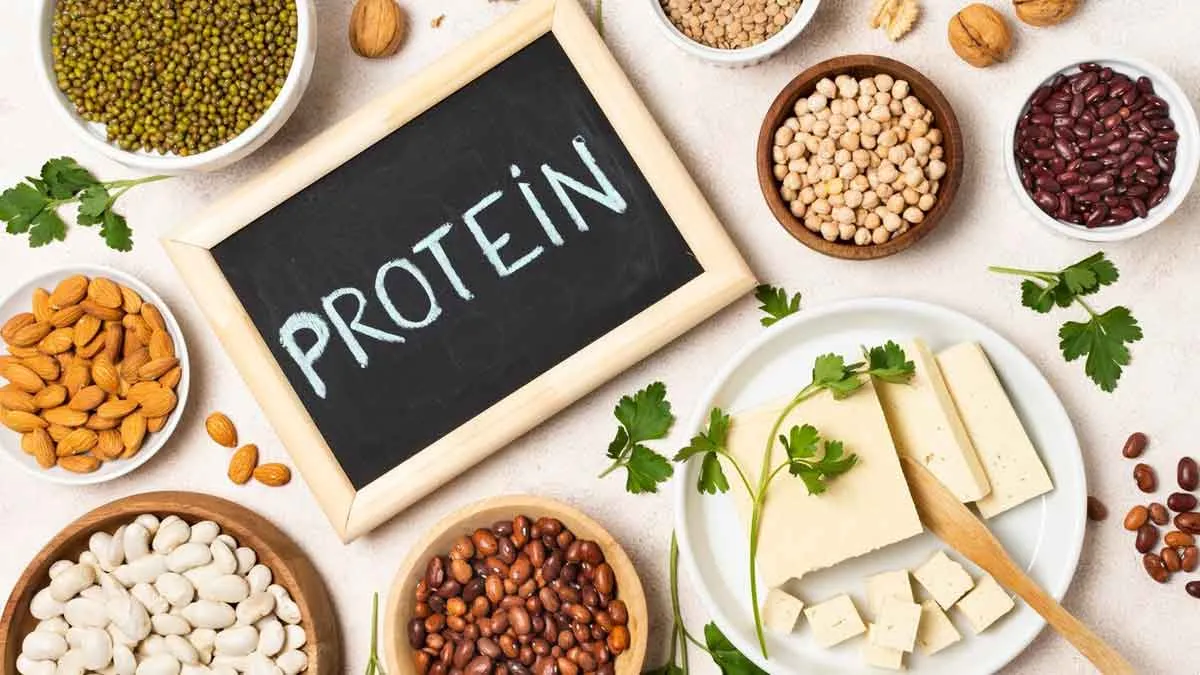
Ms Chitra says that several plant sources of protein contain medium to high amounts of purines, such as soybean, soy chunks, tofu, tempeh, lentils, chickpeas, kidney beans, black gram (urad dal), green peas, mushrooms, and some nuts. “Nevertheless, such foods are safe for consumption for most people,” she adds.
The expert shares, “Plant protein foods do not raise gout risks the way animal proteins such as meats and seafood. These foods also provide fibre, vitamins, and minerals, among other health benefits.”

How To Keep Uric Levels Under Control
Ms Chitra says that in cases where an individual is high in uric acid or has gout, it is more about controlling one’s portions and eating a balanced diet. On this note, the expert shares the following tips:
- Stay hydrated.
- Keep a healthy weight.
- Avoid excess alcohol consumption, especially beer, organ meat, red meat, and some types of seafood, can be helpful in reducing uric acid levels.
- The way out here is to have dal, beans, tofu, or any other plant-based protein in moderation, while ensuring that there is enough water consumption.
“In case the uric acid levels are still high or in case of frequent gout flare-ups, then a personalised diet must be formulated by a dietitian and a doctor together,” adds Ms Chitra.
“To summarise, plant-based proteins are a great source of protein and can prove to be very useful even if one has uric acid concerns,” concludes the expert.

How High Uric Acid Levels Affect The Body
According to the Cleveland Clinic, untreated high uric acid levels can cause permanent damage in your:
- Bones.
- Joints.
- Tendons.
- Ligaments.
It adds that research has also shown a link between high uric acid levels and other health conditions, such as:
- Kidney disease.
- Heart disease.
- High blood pressure.
- Diabetes.
- Fatty liver disease.
- Metabolic syndrome.
ALSO READ- Is Rajma and Rice a 'Complete' Protein Meal for Vegetarians? Dietitian Explains
Conclusion
Despite their purine content, plant-based proteins such as lentils, tofu, and beans do not trigger the same harmful uric acid spikes linked with animal-based meats. In fact, the rich dietary fibre and vitamin C found in plant foods significantly help your body process and flush out uric acid safely. By staying well-hydrated and enjoying nutritious plant proteins in moderation, you can protect your joint and metabolic health.
All possible measures have been taken to ensure accuracy, reliability, timeliness and authenticity of the information; however Onlymyhealth.com does not take any liability for the same. Using any information provided by the website is solely at the viewers’ discretion. In case of any medical exigencies/ persistent health issues, we advise you to seek a qualified medical practitioner before putting to use any advice/tips given by our team or any third party in form of answers/comments on the above mentioned website.

How we keep this article up to date:
We work with experts and keep a close eye on the latest in health and wellness. Whenever there is a new research or helpful information, we update our articles with accurate and useful advice.
-
Current Version
Sep 17, 2026 19:01 IST
Published By : Shruti Das
Reviewed By : Ms Chitra B K