
Around 450 people in Gorakhpur, have received anti-rabies shots after eating charanamrit made with milk from a suspected rabid cow. The news has left many people wondering about their daily milk, curd and buttermilk.
Then, is it possible to contract rabies from milk? Not from milk that is boiled or pasteurised. The risk for raw milk is very rare and only theoretical, it cannot be clearly proven. Here is what a doctor has to say, what to do if you have consumed raw milk and why the real danger is elsewhere.
Can Anyone Get Rabies From Milk?
Prof Dr SM Fayaz, Lead and Senior Consultant, Internal Medicine, KIMS Hospitals, Mahadevapura explains, “Not from milk that has been boiled or pasteurised. Rabies spreads mainly through the saliva of an infected animal, usually through a bite or scratch.”

He adds, “Raw milk from a rabid animal carries a theoretical risk, but it is extremely rare and has not been clearly proven.”
How Does Rabies Actually Spread?
- Through saliva of an infected animal, most often a dog, entering via a bite or scratch
- Through saliva touching a fresh wound, or the lining of the eyes, nose or mouth
- The National Rabies Control Programme attributes almost 99 per cent of human cases to dogs.
- Rabies can be transmitted to cows, buffaloes and goats by a rabid dog that bites them.
A 2024 study in Frontiers in Microbiology followed human rabies cases in the Philippines for three years. It found that puppies were the main causal animals. It also found that “only 44.9%” of exposed people sought post-exposure treatment. The takeaway is clear. The bigger danger is ignoring a bite.
Why Is Milk Such a Low Risk for Rabies?
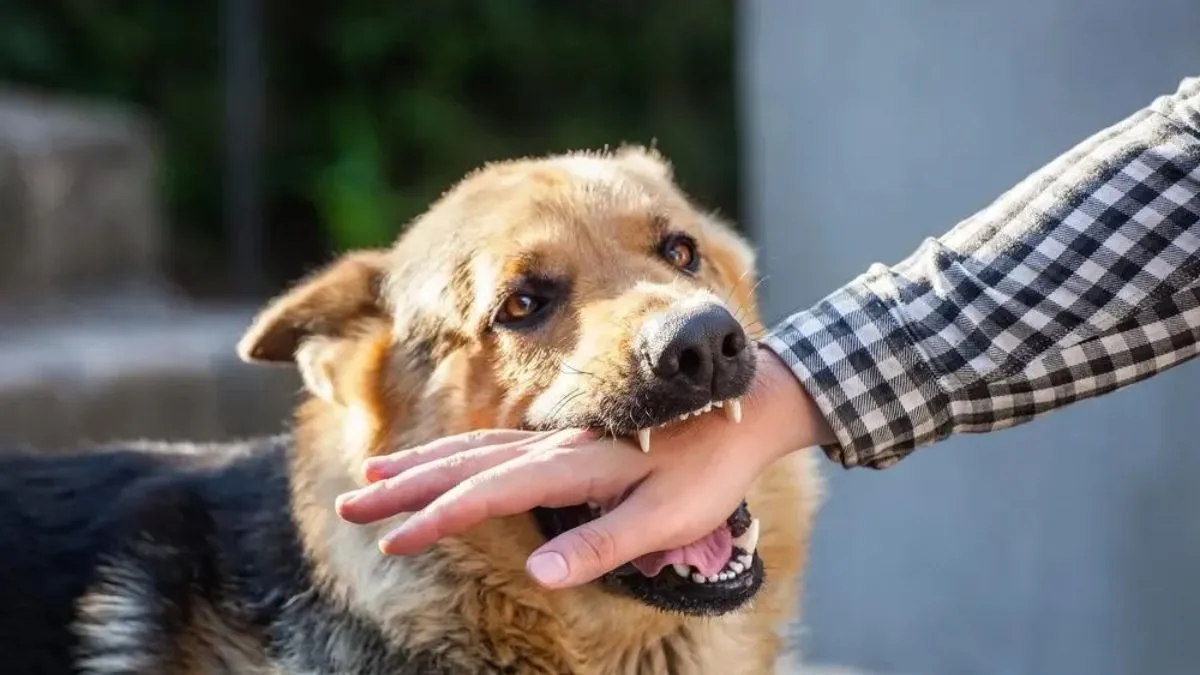 rabies
- The virus is sensitive to cold. It will be destroyed by boiling or pasteurising.
- It is also degraded by the stomach acids and digestive enzymes.
- A much higher dose will be required for swallowing than for a bite.
- The virus is primarily located in the brain, nerves and the salivary glands, but not the udder.
What About Raw Milk, Curd, Paneer and Ghee?
Raw milk is a different matter. Dr Fayaz says a small risk may exist if raw milk touches broken skin or the lining of the mouth or nose, especially during milking.
- Boiled or pasteurised first: curd, paneer and ghee are safe.
- Made from raw milk of a suspected rabid animal: speak to a doctor.
What does the evidence say? The World Health Organization’s public FAQ says there is no laboratory or epidemiological evidence that rabies spreads through milk or milk products. Yet it still strongly discourages drinking milk from a rabid animal. Indian health officials often vaccinate people who drank raw milk as a precaution. Dr Fayaz calls this “a safe approach, not proof that the milk spreads the disease.”
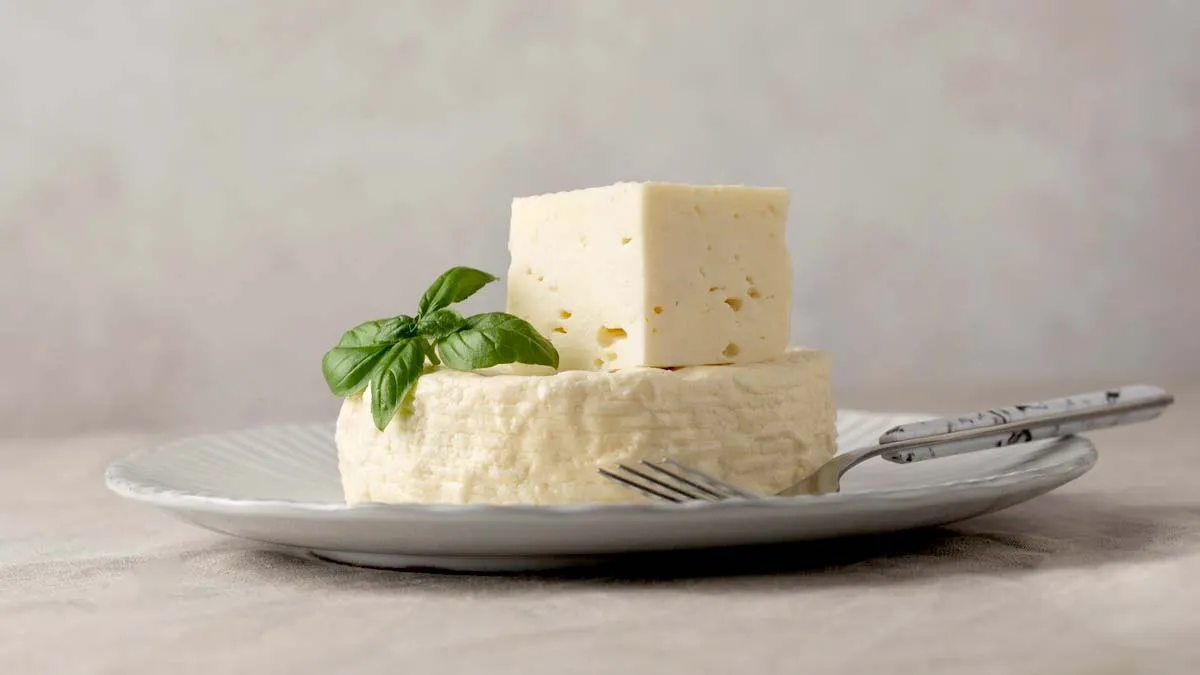
Older research fits this picture. An Indian follow-up study from 2017 tracked 146 people who drank milk from a rabid buffalo for four years. None developed rabies. But all had been vaccinated, so it cannot prove milk is harmless.
Is Rabies Treatment Reliable?
Yes, when done properly. A 2023 review in The Lancet Infectious Diseases found only 122 fatal breakthrough cases after post-exposure treatment worldwide between 1980 and 2022. All were case reports. The authors urged better treatment practices. Rabies is almost always fatal once symptoms start. But it is almost fully preventable with prompt vaccination.
Hidden Rabies Risks People Miss
- Rabies can be transmitted via the break in the skin with a lick, not a bite.
- A dog bite may result in no symptoms for several weeks or months.
- In cattle, abnormal behaviour, drooling, bellowing and difficulty in swallowing are early signs.
- Other serious infections found in raw milk are brucellosis, tuberculosis and salmonella. These are more prevalent than rabies.
When to See a Doctor
- Bite/scratch/lick from any dog, cat, monkey, bat or other animal on broken skin.
- Milk from a sick animal or an animal suspected of being rabid.
- By using its saliva or milk on the skin or mouth
- An abrupt change in a pet's or cows' behavior or paralysis.
- Fever, pinching at the site of the bite, and fear of water or confusion. This is an emergency situation.
ALSO READ- Dog Bite But No Bleeding? Here's When You Still Need a Rabies Vaccine
Conclusion
You will not catch rabies from boiled or pasteurised milk. Because of the possibility of rabies, which is extremely rare, do not drink raw milk from a rabid animal. Always boil milk. Most importantly, seek medical attention right away after having been bitten by any animal, or if you think you've been exposed.
FAQ
1. Can You Get Rabies From Eating Meat From a Rabid Animal?
No human case from eating raw meat from a rabid animal has been documented. Still, WHO strongly discourages eating meat or milk from a rabid animal. People who slaughter or handle such animals can be at risk through cuts in their skin.2. Is the Rabies Vaccine Safe for Pregnant and Breastfeeding Women?
Yes. WHO recommends pregnant and breastfeeding women to be vaccinated against rabies safely and vaccination should never be denied as a life-saving measure. Rabies has never been reported to be transmitted via breast milk or in utero.
All possible measures have been taken to ensure accuracy, reliability, timeliness and authenticity of the information; however Onlymyhealth.com does not take any liability for the same. Using any information provided by the website is solely at the viewers’ discretion. In case of any medical exigencies/ persistent health issues, we advise you to seek a qualified medical practitioner before putting to use any advice/tips given by our team or any third party in form of answers/comments on the above mentioned website.
How we keep this article up to date:
We work with experts and keep a close eye on the latest in health and wellness. Whenever there is a new research or helpful information, we update our articles with accurate and useful advice.
-
Current Version
Oct 26, 2026 14:12 IST
Published By : Vivek Kumar
Reviewed By : Prof Dr S M Fayaz