
If you've ever witnessed a child who can't sit still, answers questions before you can, and doesn't remember what you just said minutes later, odds are that someone in the room has cussed you out about "discipline. If you've ever noticed a kid who can't sit still, blurts out answers, and then forgets what you just told them minutes later, chances are someone in the room has cursed you out about "discipline. It's an easy assumption to make. However, it's not right either. ADHD is not due to poor parenting or to a child who is just being a brat. It is a real developmental disorder, not a disorder of the home.
Is ADHD Affected By Parenting?
Dr Murali Krishna, Visiting Consultant, Psychiatry and Counselling Services, Aster RV Hospital, Bangalore, says that "Attention-Deficit/Hyperactivity Disorder (ADHD) is not a result of poor parenting, poor discipline or lack of effort".
It is neurological and not behavioural. It's more of a neurodevelopmental disorder, he explains, meaning the brain actually works differently with regard to attention, impulse control, and energy levels. Yes, the myth lingers because there's a reason for it. There are some children with ADHD who, on the surface, appear inattentive or defiant and thus people make judgments about manners or discipline.
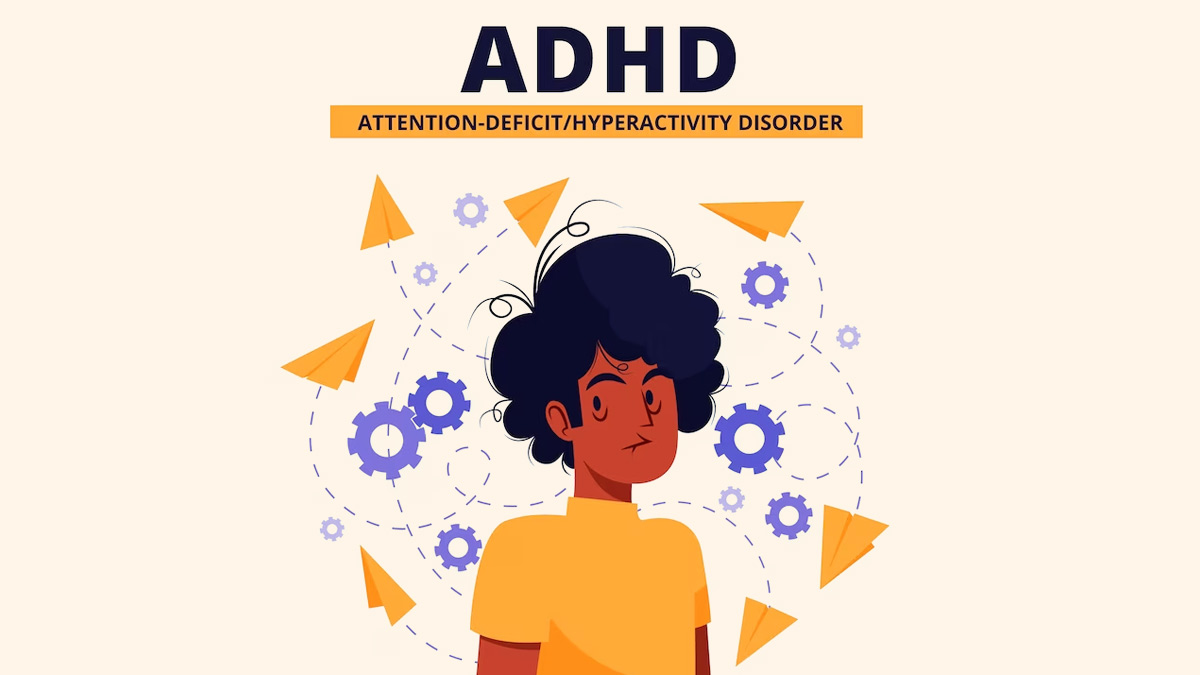
But here's the thing. "The evidence keeps pointing to genetics and real differences in brain development having a far bigger part than parenting style," Dr Krishna notes. In other words, it's wiring, not willpower.
According to a study published in The Malaysian Journal of Medical Sciences, researchers looked at 55 children found to be at high risk of ADHD and their parents' parenting styles. They found a clear link between parenting style and ADHD risk, but genetics still plays the bigger role.
The study notes that stress from harsh or inconsistent parenting can affect brain chemicals like dopamine, which may worsen hyperactivity. Still, the researchers stress that ADHD itself stems mainly from genetic and neurological factors, not parenting alone.
ALSO READ- ADHD vs ADD: What's The Difference? Explains A Psychiatrist
What Are the Signs Parents Should Actually Watch For?

So, what does ADHD look like in real life? Dr Krishna states that several signs can be observed by the caregivers:
- Trouble keeping attention on tasks
- Frequent careless mistakes
- Forgetting things often
- Excessive fidgeting or constant motion
- Interrupting others
- Difficulty waiting for their turn
- Struggling to follow instructions, even simple ones
These aren't one-off moments either. "These patterns don't just pop up once or twice; they tend to hang on, showing up in more than one setting, like at home and at school, and they can interfere with everyday functioning," he says. That consistency across settings is actually a key clue.
Supporting what Dr Krishna said, a NIMH also claims that ADHD shows up in more ways than the common signs already listed.
- Kids may lose things often, like backpacks, keys, or phones.
- They may get distracted easily by small sounds or random thoughts.
- Many struggle to organize tasks or manage time well.
- Deadlines and multi-step projects can feel overwhelming.
- Some children move or climb at times when it's not appropriate, even in places like classrooms.
- They may feel restless when told to sit still.
- Quiet play or calm hobbies can be hard for them to enjoy.
- Talking too much is common too.
- Some kids answer questions before they're fully asked.
- Others jump in and finish other people's sentences. NIMH notes these signs often appear together, not alone.
However, every child is different, so not all signs show up the same way.
What Actually Helps In Such A Situation?
Punishment doesn't fix ADHD. Understanding does. That's the core message here.
Dr Krishna recommends starting with structure. Steady routines. Clear, short instructions. Breaking bigger tasks into smaller, manageable steps. Positive reinforcement instead of constant correction. "What helps first is understanding more than punishment," he says.
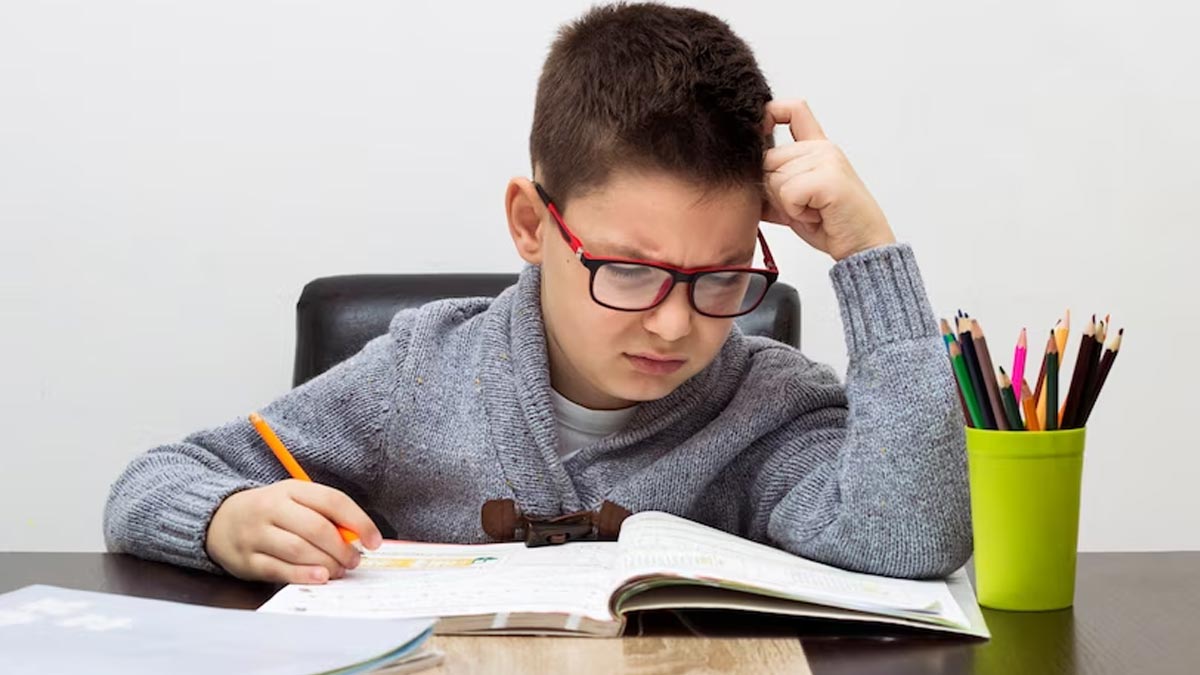
Consistency matters beyond the home, too. “Working closely with teachers helps, because the child benefits from support that's consistent across environments," Dr Krishna adds. A child getting mixed signals at home and school won't have an easy time adjusting.
A few everyday habits can also make a real difference:
- Regular physical movement or exercise
- Enough quality sleep
- Fewer distractions during homework or study time
None of these is a cure. But together, they genuinely support better focus and steadiness.
When Should You Get a Medical Evaluation?
Not all children who are fidgety or forgetful have ADHD. So when does it go from "get this checked"? Here, Dr Krishna adds, "If symptoms persist for 6 months or more, or if there is evidence that they are affecting grades, friendships, relationships, self-esteem or if there are safety issues, a medical evaluation is warranted.”
The sooner they are evaluated, the better. A child might benefit from earlier assessment by a developmental paediatrician, child psychiatrist or psychologist to help them receive a timely and individualised treatment. And treatment is not a one-size-fits-all. This may involve behavioural therapy, parent coaching, school support and, if necessary, medication as well.
Finally, ADHD is not a parenting time card. It is a situation that must be understood, organised, and managed with the correct support and not blamed. The earlier this is identified the earlier a child will receive help that will help them.
ALSO READ- Study Reveals Social Media May Increase ADHD Risk In Children – Expert Decodes
Conclusion
ADHD is not about bad parenting. It's about brain wiring. Genetics and brain development play the biggest role. Parenting style can add stress, but it's not the cause. Watch for signs like poor focus, fidgeting, forgetfulness, and trouble following instructions. These signs should show up in more than one place, like home and school.
If they last six months or more, and start affecting grades or relationships, get a proper evaluation. Structure, patience, and support help more than punishment ever will. With the right help, children with ADHD can thrive. Understanding is the first step. Blame never was.
FAQ
1. Can strict discipline fix ADHD in children?
No. ADHD is a neurodevelopmental condition rooted in brain differences, not a result of parenting style. Structure and consistency help, but discipline alone won't resolve it.2. When should a child with possible ADHD symptoms see a doctor?
If symptoms last at least six months and start affecting school performance, relationships, or self-esteem, it's worth getting a proper evaluation from a paediatrician, child psychiatrist, or psychologist.
All possible measures have been taken to ensure accuracy, reliability, timeliness and authenticity of the information; however Onlymyhealth.com does not take any liability for the same. Using any information provided by the website is solely at the viewers’ discretion. In case of any medical exigencies/ persistent health issues, we advise you to seek a qualified medical practitioner before putting to use any advice/tips given by our team or any third party in form of answers/comments on the above mentioned website.

How we keep this article up to date:
We work with experts and keep a close eye on the latest in health and wellness. Whenever there is a new research or helpful information, we update our articles with accurate and useful advice.
-
Current Version
Aug 03, 2026 21:38 IST
Published By : Vivek Kumar
Reviewed By : Dr Murali Krishna