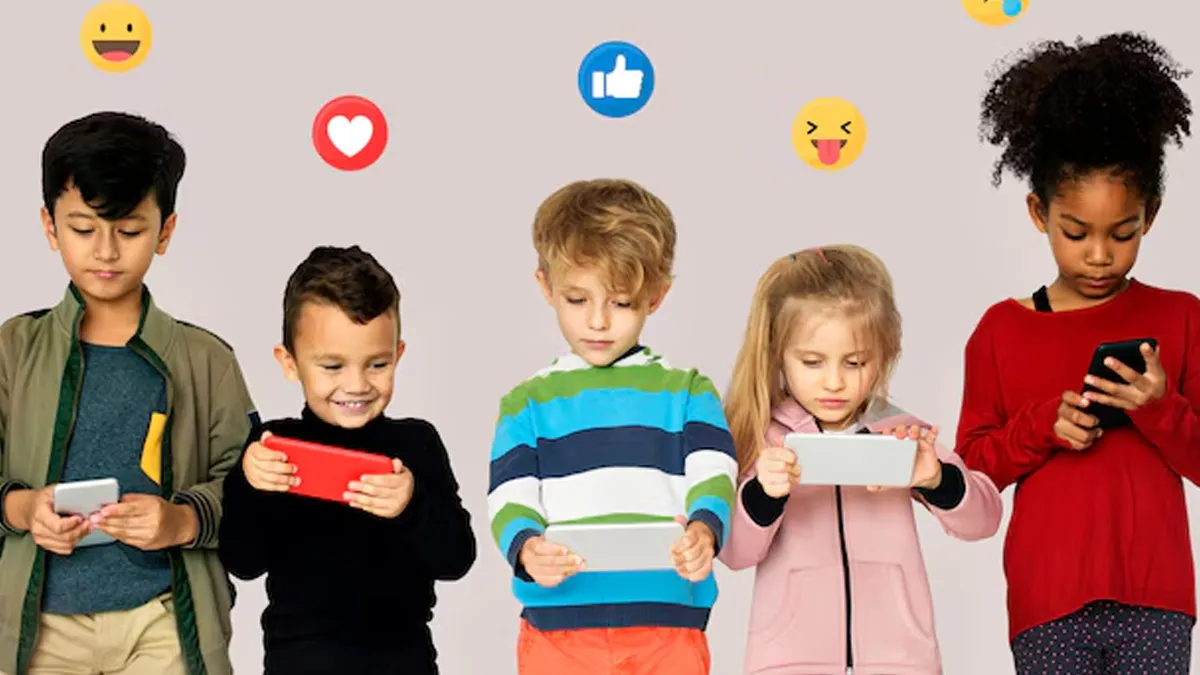
Social media has become a part of our lives, unknowingly. But an unfortunate fact is that this is not just true for adults, but for children as well. In today’s day and age, even children are addicted to screens. Did you know that a recent study has found that children who spend a significant amount of time on social media tend to experience a gradual decline in their ability to concentrate? It also mentioned that children may experience ADHD-related symptoms due to use of social media. This finding was published in a comprehensive study in Pediatrics Open Science. Researchers followed more than 8,000 children from around age 10 through age 14 for this study.
To get an expert view on this, we reached out to Dr Divya Shree KR, Consultant – Psychiatry, Aster CMI Hospital, Bangalore. Read on.
Can Social Media Increase ADHD Risk In Children?
Our expert decodes whether what the study mentions is true or not. “Yes, social media can impair children’s ability to concentrate and may increase ADHD-related symptoms. Many social media apps are designed with fast videos, constant notifications, and endless scrolling, which can train the brain to expect quick rewards. This makes it harder for children to focus on slow or detailed tasks like reading, studying, or listening in class,” shares Dr Shree KR.
She adds, “Frequent switching between posts can reduce attention span and increase restlessness. Children who already show signs of ADHD may become more impulsive, distracted, or emotionally reactive after long screen time. Poor sleep due to late-night social media use can also worsen focus and behaviour during the day. Limiting screen time and encouraging offline activities can help protect attention and mental health.”
 social media adhd 1
Mental Health Side Effects Of Social Media On Children
Social media can have several mental health side effects on children. Dr Shree KR lists them down for us:
- Excessive use may increase anxiety, stress, and feelings of pressure to look or act a certain way.
- Children may compare themselves with others online, which can lower self-esteem and confidence.
- Negative comments or online bullying can lead to sadness, fear, or emotional pain. Spending too much time on social media can reduce real-life social interaction and make children feel lonely.
- Constant notifications can disturb sleep, which affects mood and focus.
- Some children may become addicted to likes and validation, leading to mood swings. Limiting usage and open communication can help reduce these mental health risks.
Also Read: Struggling With ADHD During The Holidays? Here’s How To Cope With It
Physical Health Side Effects Of Social Media On Children
Social media can cause several physical health side effects in children. Dr Shree KR jots them down for us:
- Long hours on screens can lead to eye strain, headaches, and blurred vision.
- Poor posture while using phones or tablets may cause neck, back, and shoulder pain. Excessive screen time can reduce physical activity, increasing the risk of weight gain and weak muscles.
- Late-night social media use can disturb sleep patterns and cause daytime tiredness. Blue light from screens may affect sleep quality and eye health.
- Frequent device use can also cause hand and finger pain.
- “Encouraging breaks, outdoor play, and good posture can help reduce these physical health problems,” adds the expert.
 social media adhd 2
Can Social Media Cause ADHD In Adults?
If you are wondering whether adults too can face the risk of ADHD due to social media use, our expert answers this for us. “Social media does not directly cause ADHD in adults, but it can worsen attention problems. ADHD is a neurodevelopmental condition that usually begins in childhood. However, constant use of social media can reduce focus and increase distraction in adults,” shares Dr Shree KR.
She continues, “Frequent notifications, short videos, and fast content train the brain to seek quick rewards. This can make it harder to concentrate on work, reading, or long conversations. Some adults may feel restless, forgetful, or mentally tired after heavy social media use. Poor sleep due to late-night scrolling can also worsen attention and impulse control. Reducing screen time and practicing digital breaks can help improve focus and mental clarity.”
Safety Tips For Children While Using Social Media
Children should follow certain safety hacks while using social media to stay protected. Dr Shree KR lists down some simple tips for the same:
- Parents should set age-appropriate limits and monitor the apps children use.
- Children must keep their accounts private and avoid sharing personal information like address or school name.
- They should not accept friend requests from strangers or unknown profiles.
- Strong passwords should be used and not shared with anyone.
- Children should be taught to report and block bullying or harmful content.
- Screen time should be limited to protect sleep and health.
- Open communication with parents helps children feel safe and confident online.
 social media adhd 3
But is there any specific safe duration of social media usage for children? “There is no single safe duration for social media use that fits all children. For children below 5 years, social media use is not recommended. For children aged 6 to 12 years, screen time should be limited to about one hour a day. Teenagers can use social media for up to two hours daily, with breaks. Usage should not affect sleep, studies, physical activity, or family time. Social media should be avoided before bedtime to protect sleep quality. Parents should focus on content quality and supervision, not just time limits. Healthy balance is the key to safe usage,” concludes Dr Shree KR.
The Final Word
Social media can impair children’s ability to concentrate and may increase ADHD-related symptoms. This makes it harder for children to focus on slow or detailed tasks like reading, studying, or listening in class. Thus, it is essential for children to follow certain safety guidelines while using social media.
FAQ
Do people with ADHD struggle with social media?
Yes, social media can make ADHD symptoms worse.What is the effect of social media on children?
Social media profoundly impacts children, offering connection but often leading to anxiety, depression, poor body image, and sleep issues.Is social media safe for children?
Constant social media use can negatively affect a young person's mental health.
All possible measures have been taken to ensure accuracy, reliability, timeliness and authenticity of the information; however Onlymyhealth.com does not take any liability for the same. Using any information provided by the website is solely at the viewers’ discretion. In case of any medical exigencies/ persistent health issues, we advise you to seek a qualified medical practitioner before putting to use any advice/tips given by our team or any third party in form of answers/comments on the above mentioned website.
How we keep this article up to date:
We work with experts and keep a close eye on the latest in health and wellness. Whenever there is a new research or helpful information, we update our articles with accurate and useful advice.
-
Current Version
Dec 31, 2025 17:52 IST
Modified By : Shruti Das Dec 31, 2025 17:52 IST
Modified By : Shruti DasDec 31, 2025 17:52 IST
Published By : Shruti Das
Reviewed By : Dr Divya Shree K R