
In today’s world, sleep is often the first thing to be compromised. The rise of work-life all-nighters, the constant use of cell phones, stress, and non-traditional schedules mean that chronic sleep deprivation has become all too commonplace. But now, experts warn that sleeping too little could be as unhealthy as smoking.
Health experts assert that sleep is more than just a time for rest; it is a time when the body performs important functions like tissue repair, regulating hormones, processing memories, and boosting the immune system. Yet, millions of people worldwide sleep only for six hours or less every evening.
"Sleep deprivation is fast becoming a severe health hazard, and specialists have warned that it is just as damaging to health as smoking is. People generally believe that missing their nightly sleeping hours is normal because of work commitments or because of their cellphones or stress, but the body requires adequate sleeping hours for repair and recuperation," explained Dr Pooja Pillai, Consultant – Internal Medicine, Aster CMI Hospital, Bangalore.
How Sleep Loss Affects the Body
If the body is not getting the recommended amount of sleep, the consequences are more than just feeling tired the next day. According to Dr Pillai, the impact of sleep has a direct effect on the vital parts of the body, which include the brain and the heart.
ALSO READ- Holiday Eating With Diabetes: 6 Golden Rules to Follow To Avoid Sugar Spike
 1-sleep
Chronic sleep deprivation has been shown to raise the risk of heart disease, high blood pressure, diabetes mellitus, and stroke. When an individual doesn’t get enough sleep, it impairs the way in which the body controls glucose in the bloodstream and the release of the body’s stress hormones.
Sleep deprivation also affects the immune system. People who do not get adequate sleep are susceptible to contracting infections, may take longer to recover from illnesses, and may even fall ill more frequently. As a result of this compromised immune system, they may also experience chronic inflammation in their bodies.
Weight Gain, Mental Issues, and Memory Risks
Lack of sleep is also related to obesity. When a person has inadequate sleep, their hunger hormones go up, but their metabolic rates reduce. As a result, they crave foods high in calories.
Additionally, mental health is another significant issue. Lack of sleep can lead to anxiety, depression, irritability, mood swings, and poor concentration. Secondly, Dr Pillai clarified that lack of sleep over an extended period can lead to possible memory impairments and dementia because the brain won’t have adequate time to remove toxins responsible for dementia.
Hidden Dangers in Daily Life
Aside from chronic ailments, sleep disorders also entail a life risk. Difficulty in responding to situations, lack of alertness, increased risk of accidents, or lack of productivity may all come from sleep disorders. The imbalance in hormones derived from sleep disorders may also influence fertility, energy, or productivity.
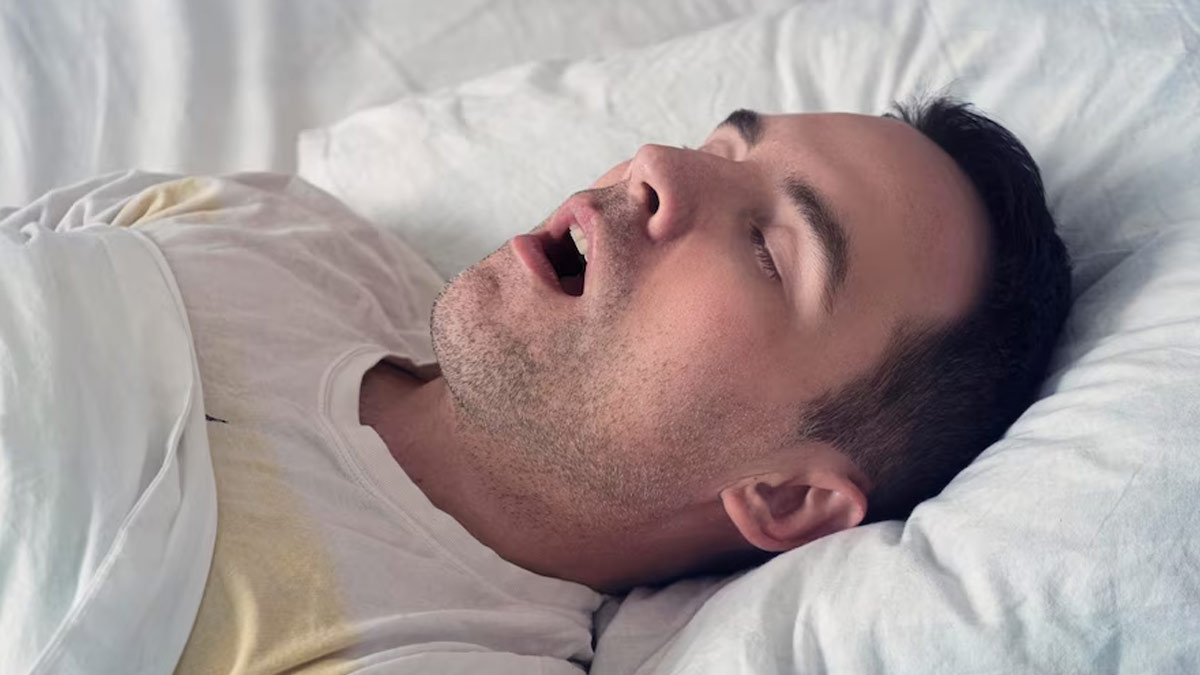 sleep
sleep
"Just as with smoking, the damage from lack of sleep is a gradual process, and most people do not even note anything is amiss until they have developed serious health issues," Dr Pillai warned.
How Much Sleep Do Adults Really Need?
According to physicians, an individual needs at least seven to eight quality hours of sleep every day. Observing regular sleep patterns helps a person function according to the body clock. Avoiding mobile phone usage, taking proper exercise, and eating healthy food can help one sleep better.
Conclusively, Dr Pillai stressed that sleeping cannot be considered an optional matter. “Sleep is not a luxury; it is a basic health need,” she underlined.
Bottomline
Chronic sleep deprivation silently damages the body over time, increasing the risk of heart disease, diabetes, mental health issues, and memory problems, making it as dangerous as smoking if ignored.
FAQ
1. Is sleeping fewer than six hours really harmful?
Yes, doctors say regularly sleeping under six hours increases the risk of heart disease, diabetes, weak immunity, and mental health problems.2. Does sleep deprivation impact weight and hormones?
Unhealthy sleep patterns can result in problems with hunger hormones, as well as a higher chance of weight gain, low energy levels, and imbalances in hormones.3. How can I improve sleep quality naturally?
Follow a fixed sleep schedule, limit screen time and caffeine before bed, exercise regularly, and maintain a balanced diet.
All possible measures have been taken to ensure accuracy, reliability, timeliness and authenticity of the information; however Onlymyhealth.com does not take any liability for the same. Using any information provided by the website is solely at the viewers’ discretion. In case of any medical exigencies/ persistent health issues, we advise you to seek a qualified medical practitioner before putting to use any advice/tips given by our team or any third party in form of answers/comments on the above mentioned website.
How we keep this article up to date:
We work with experts and keep a close eye on the latest in health and wellness. Whenever there is a new research or helpful information, we update our articles with accurate and useful advice.
-
Current Version
Dec 27, 2025 15:10 IST
Modified By : Tanya Srivastava Dec 27, 2025 15:10 IST
Modified By : Tanya SrivastavaDec 27, 2025 15:10 IST
Published By : Tanya Srivastava
Reviewed By : Dr. Pooja Pillai