


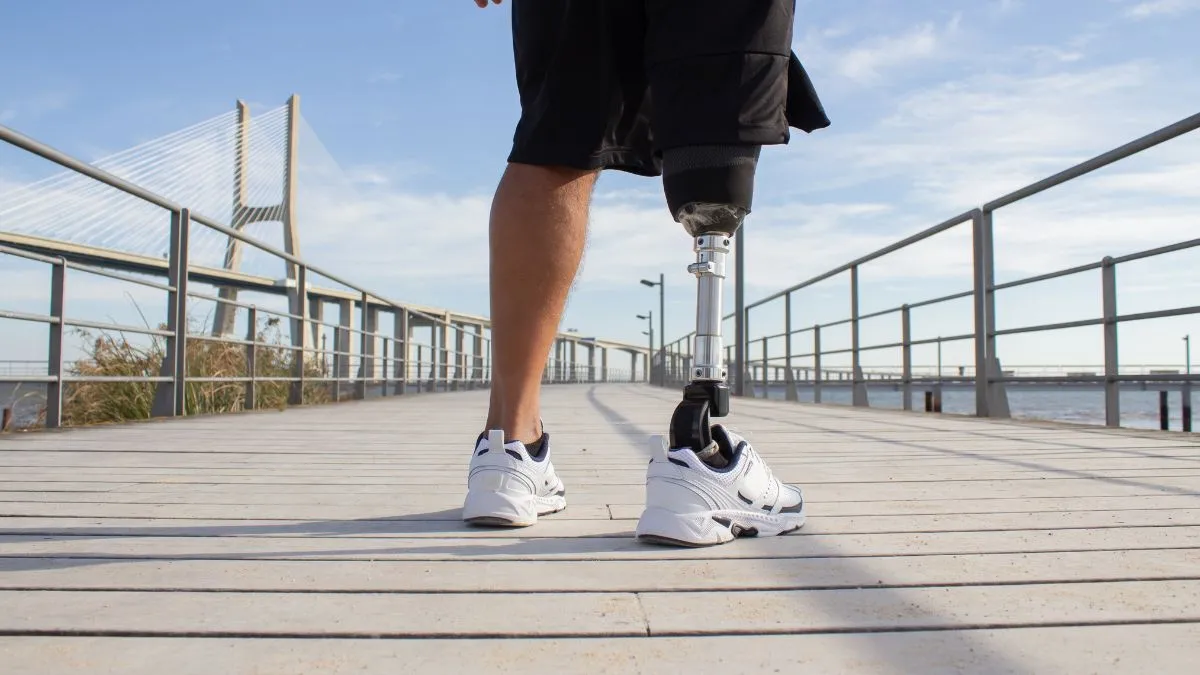
Prosthetic technology has evolved far beyond basic limb replacement, emerging as a powerful tool for inclusion, independence, and improved quality of life for persons with disabilities. While innovation is accelerating globally, experts emphasise that the true impact of prosthetics lies in addressing psychological, social, and infrastructural challenges alongside technological progress.
Insights from Dr MC Dash, President of the Orthotics and Prosthetics Association of India (OPAI), and Mr Ruslan Babintsev, CEO of Motorica India, highlight how prosthetic care can become more effective, inclusive, and accessible, especially in developing regions.
Table of Content:-
Challenges Faced by Individuals with Disabilities While Using Prosthetic Devices
Role of Prosthetic Innovations in Enhancing Accessibility and Inclusivity
Benefits of Bionic Prosthetics for Individuals with Mobility Impairments
Barriers to Accessing Advanced Prosthetic Technologies in Developing Regions
Challenges Faced by Individuals with Disabilities While Using Prosthetic Devices
According to Dr MC Dash, individuals with disabilities (Divyangjan) face challenges that go beyond physical limitations.
“These challenges primarily include psychological trauma, issues related to social inclusion, and environmental barriers,” he explains.
The emotional impact of limb loss, social stigma, and lack of supportive infrastructure often hinder successful prosthetic adoption. Uneven terrain, inaccessible public spaces, and limited rehabilitation support further complicate daily use. Addressing these challenges requires not only better devices, but also psychological counselling, inclusive social attitudes, and barrier-free environments.
Also Read: Understanding Phocomelia: The Rare Condition Paralympian Archer Sheetal Devi Was Born With
How Prosthetic Limbs Improve Quality of Life for Amputees
Modern prosthetic limbs have transformed the lives of amputees by enabling them to perform daily activities almost at par with able-bodied individuals. Dr Dash notes that the role of clinicians, particularly prosthetists and orthotists, is paramount in this transformation.
“These professionals are experts in biomechanics and normal human locomotion. With proper fitting and training, prosthetic users today are excelling in all spheres of life,” he says.
Amputees are now actively participating in sports, cultural activities, and even high-adventure pursuits such as mountain climbing and paragliding. Dr Dash also acknowledges the critical contribution of researchers and innovators who continue to push the boundaries of prosthetic design and performance.
Choosing the Right Prosthetic Limb
Selecting the appropriate prosthetic limb is a highly individualised process. Dr Dash emphasises that it is only possible through proper assessment and evaluation.
“The choice must depend on the type of disability and the nature of activities the individual wishes to perform with the artificial substitute,” he explains.
A detailed understanding of the user’s physical condition, lifestyle needs, and functional goals ensures better comfort, usability, and long-term success.
ALSO READ- Completing 10k Steps But Sitting For 10 Hours Straight? Expert Shares Why It’s Risky
Role of Prosthetic Innovations in Enhancing Accessibility and Inclusivity
Mr Ruslan Babintsev highlights that prosthetic innovation today is focused on enabling full participation in everyday life.
“Modern prosthetics restore functional mobility, allowing individuals to return to work, maintain independence, and engage socially,” he says.
Motorica is actively working to improve accessibility in India through digital solutions. The company’s recently introduced digital prosthetic programme enables clinics, even in smaller cities, to use 3D scanning and smartphone-based measurements instead of traditional plaster moulds. This approach reduces entry barriers, improves fitting precision, and shortens rehabilitation timelines, making prosthetic care more scalable and inclusive.
ALSO READ- Should You Avoid Medication For Backpain?
Benefits of Bionic Prosthetics for Individuals with Mobility Impairments
Bionic prosthetics offer advanced functionality that supports both physical and emotional wellbeing. According to Mr Babintsev, these devices allow users to perform tasks ranging from basic self-care to complex activities such as cooking, painting, or typing.
“For children, safe and functional prosthetics support early motor development and social integration,” he adds.
Advanced control systems, including optical sensors and personalised movement profiles, enable intuitive use even when muscle activity is limited. Continuous aftercare and service support further help users build confidence and integrate prosthetics seamlessly into daily life.
Barriers to Accessing Advanced Prosthetic Technologies in Developing Regions
Despite technological progress, significant barriers remain. High cost, limited clinical infrastructure, uneven rehabilitation services, and a shortage of trained prosthetists restrict access in developing regions.
Final Word
Expert insights underline that prosthetic care is not just about technology—it is about people. When innovation is combined with clinical expertise, psychological support, and inclusive systems, prosthetics can empower individuals to live fuller, more independent lives. The future of prosthetic care lies in making these advancements accessible to all, regardless of geography or economic background.
Also watch this video
FAQ
What is prosthetic care?
This is a process of caring for your prosthetics for damage, loose parts or abnormal noises that it may make.What are the 4 types of prosthetics?
There are four types of prosthetics based on the level of amputation: transradial, transtibial, transhumeral and transfemoral.
How we keep this article up to date:
We work with experts and keep a close eye on the latest in health and wellness. Whenever there is a new research or helpful information, we update our articles with accurate and useful advice.
Current Version
Dec 26, 2025 18:16 IST
Published By : Chanchal Sengar