Green peas are truly a versatile vegetable. It can blend with almost anything – from curries, salads to soups. But those who love peas often feel disappointed because the vegetable is sold at its freshest form only in winter. Moreover, the entire process of peeling them may feel tedious to those who have a hectic life. That’s where frozen peas come into the scene. They are not only available all year round, but are also convenient to use. But people often have this notion that frozen peas are bad for health. Is this a myth or reality? Today, we will answer this for you.
To get an expert view on this, we reached out to Ms Edwina Raj, Head of Services - Clinical Nutrition and Dietetics, Aster CMI Hospital, Bangalore.
Are Frozen Peas Good For Health?
Let’s straightaway address the main question – are frozen peas bad or good for health? “Frozen peas are good for your health. They are picked when fresh and frozen quickly, so most nutrients are kept safe. Frozen peas are rich in fiber, which helps digestion and keeps you full for longer. They contain vitamins like vitamin C and vitamin K, which support immunity and bone health. Frozen peas also have plant protein that helps in muscle repair and energy. They are low in fat and calories, making them good for weight control. Frozen peas are easy to cook and can be added to many healthy meals,” explains Ms Raj.
A 2019 research revealed that frozen vegetables can have just as many vitamins, and sometimes more, as compared to their fresh counterparts. On this note, let us take a look at the common pros of frozen vegetables:
- Convenience: Frozen vegetables are washed, chopped, and ready to cook. This saves time and is easy to use.
- Long shelf life: They can last months in a freezer, and reduces food waste as well.
- Year-round availability: You can get summer vegetables even in winter.
- Cost-effective: Frozen vegetables are often cheaper than their fresh counterparts, especially when some specific vegetables are out of season.
- Consistent quality: Fresh vegetables may vary in quality, but frozen vegetables maintain consistency in taste and texture.
- No preservatives needed:The freezing process of these itself preserves the vegetables naturally; and thus there’s no added preservatives.
What Are The Side Effects Of Frozen Peas?
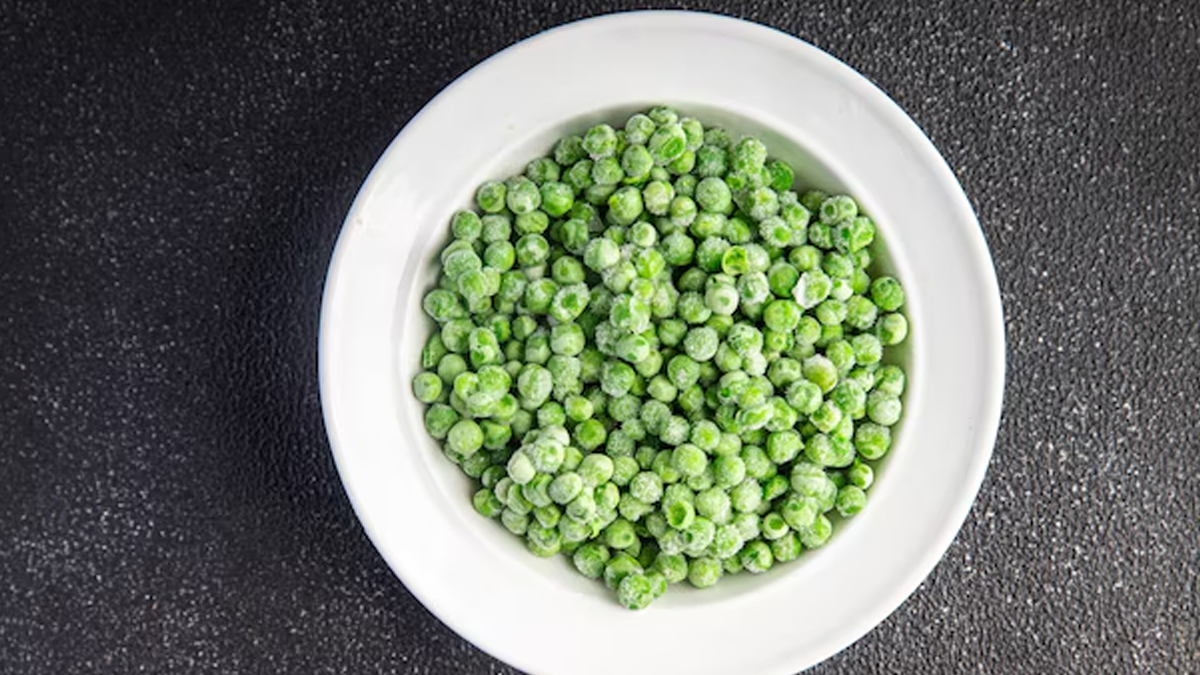
Do frozen peas pose any health risks? Ms Raj says, “Eating frozen peas is generally safe, but some people may experience mild side effects.” On this note, our expert lists down its possible side effects:
- Frozen peas can cause bloating or gas because they are high in fiber.
- People with sensitive digestion or irritable bowel syndrome may feel stomach discomfort after eating them.
- If eaten in large amounts, they may lead to indigestion.
- Some frozen peas contain added salt, which can increase sodium intake if eaten often. Rarely, people may have an allergy to peas, causing itching or swelling.
- Eating spoiled or improperly stored frozen peas can also cause stomach upset or food poisoning.
Also Read: Winter Health: 6 Reasons You Should Eat Green Peas
Frozen Peas Or Fresh Peas – Which Is Better?
Both frozen peas and fresh peas are healthy, but each has its own benefits. Ms Raj jots them down for us:
- Fresh peas taste sweeter and are good when eaten soon after harvesting. However, they can lose nutrients if stored for many days.
- Frozen peas are picked at the right time and frozen quickly, which helps keep their vitamins and minerals.
- Frozen peas are available all year and are easy to store and cook.
- In many cases, frozen peas can be just as nutritious as fresh peas.
“Choosing between the two depends on taste, availability, and convenience,” adds the expert.
One cup of unsalted, boiled peas has 134 calories. Let’s take a look at its healthy nutrient content:
- 41 micrograms of vitamin K.
- 101 micrograms of folate.
- 23 milligrams of vitamin C.
- 2 milligrams of zinc.
- 62 milligrams of magnesium.
- 2.5 milligrams of iron.
Are Frozen Peas Considered Processed Food?
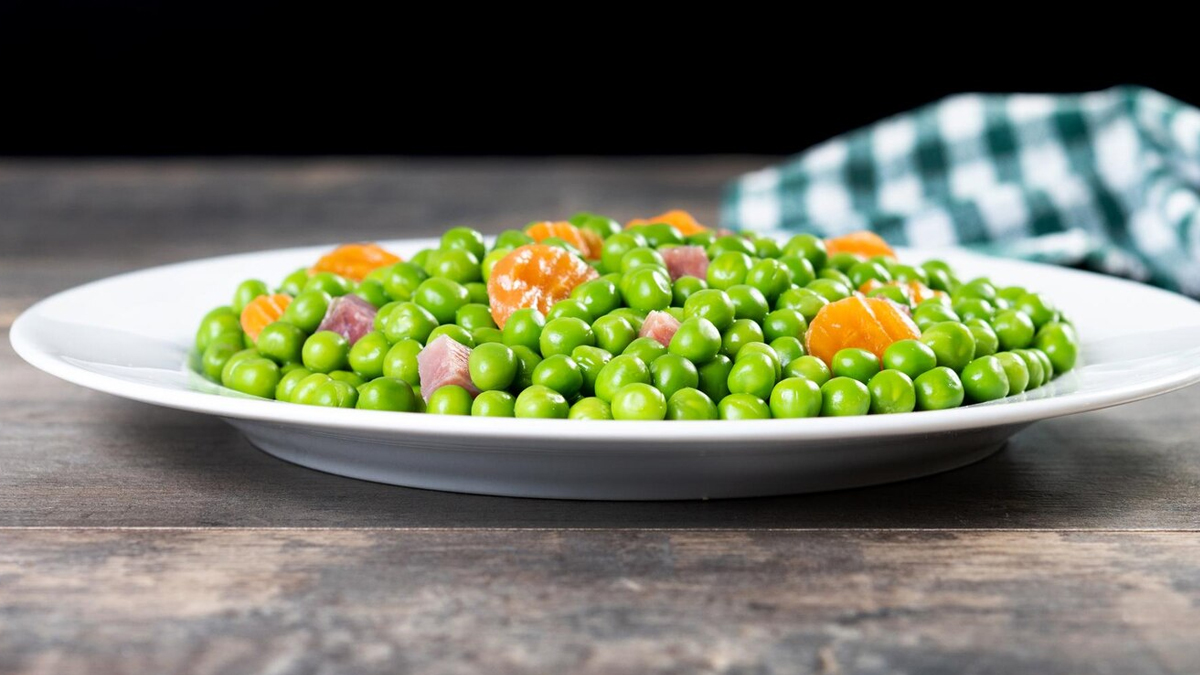
Time and again, we have heard how eating processed food is bad for health. But are all frozen foods also processed? Moreover, in the case of frozen peas in discussion – are these considered processed? Our expert explains.
“Frozen peas are lightly processed but still considered healthy food. Processing means any change made to food before eating. In frozen peas, the peas are cleaned, sometimes blanched, and frozen to keep them fresh. No harmful chemicals are added during this process. Because of this, frozen peas are called minimally processed food. They keep most of their natural nutrients, taste, and texture. Frozen peas are very different from highly processed foods like chips or ready meals. If there is no added salt, sugar, or preservatives, frozen peas remain a healthy choice,” concludes Ms Raj.
The Final Word
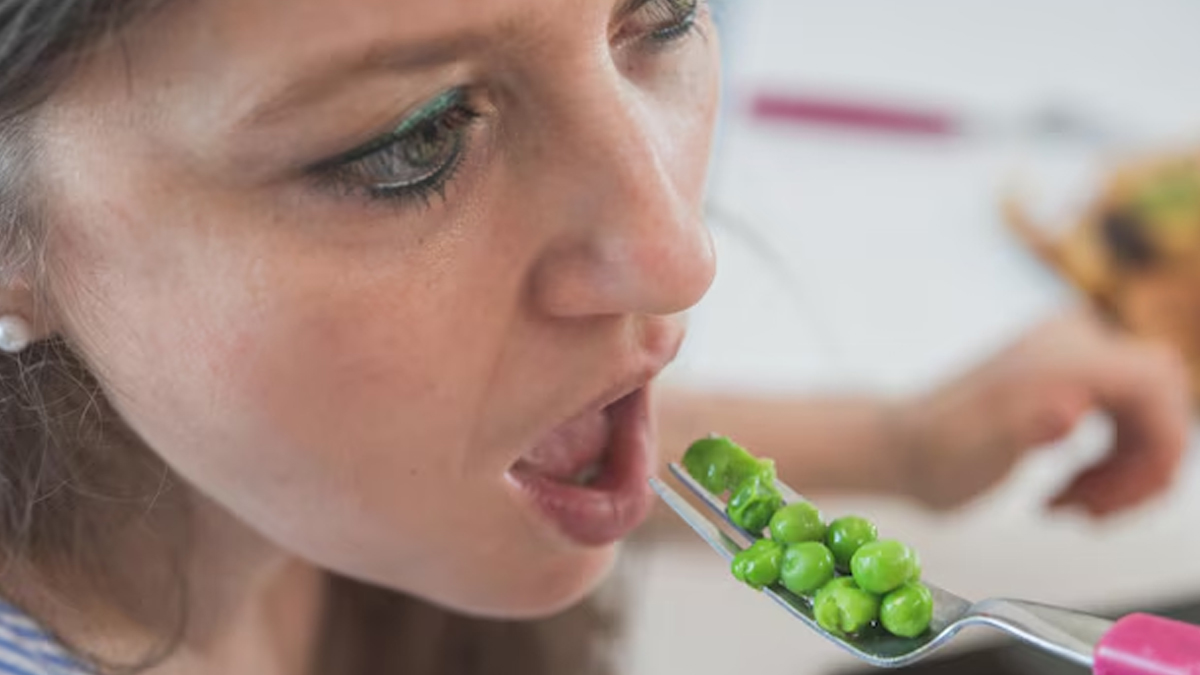
Frozen peas are good for your health. They are picked when fresh and frozen quickly, so most nutrients are kept safe. They are low in fat and calories, making them good for weight control. Frozen peas are easy to cook and can be added to many healthy meals.
FAQ
Is it healthy to eat frozen green peas?
Yes, because frozen peas are packed with all the protein, fiber, and other nutrients found in fresh ones.What are frozen green peas?
Frozen Green Peas are peeled, sorted and packed properly to retain their freshness.Are frozen peas high in sugar?
Yes, peas do contain sugar, but it's not a high amount.
All possible measures have been taken to ensure accuracy, reliability, timeliness and authenticity of the information; however Onlymyhealth.com does not take any liability for the same. Using any information provided by the website is solely at the viewers’ discretion. In case of any medical exigencies/ persistent health issues, we advise you to seek a qualified medical practitioner before putting to use any advice/tips given by our team or any third party in form of answers/comments on the above mentioned website.

How we keep this article up to date:
We work with experts and keep a close eye on the latest in health and wellness. Whenever there is a new research or helpful information, we update our articles with accurate and useful advice.
-
Current Version
Jan 09, 2026 15:29 IST
Modified By : Shruti Das Jan 09, 2026 15:29 IST
Modified By : Shruti DasJan 09, 2026 15:29 IST
Published By : Shruti Das
Reviewed By : Edwina Raj