


The winter arrival often brings more than just cosy blankets and lazy days; it also brings in the wave of coughs and colds. For many of us, the immediate instinct is to seek a quick fix in supplements that promise to be an instant immunity boost. However, our expert shared with us that immunity need not come in a capsule. Sometimes the most powerful protectors sit quietly in our kitchens, in the form of fresh, colourful winter vegetables rich in vitamins, antioxidants, and healing plant compounds.
Table of Content:-
In an exclusive interaction with the editorial team of Onlymyhealth, Aayesha Parveen, Consultant, Nutritionist, Kinder Women’s Hospital and Fertility Centre, Bangalore, listed winter vegetables that strengthen the immune system naturally, gently, and effectively, often offering more wholesome benefits than any supplement can.
Top Vegetables to Boost Immunity in Winter
Here are seven winter vegetables than can boost your immunity faster than any supplement:
1. Carrots
Carrots have every reason to be one of the winter favourites. "Carrots are loaded with beta-carotene, which helps the body convert into vitamin A, crucial for maintaining strong respiratory immunity," Aayesha shared. Whether you add them to soups or enjoy them raw with a squeeze of lemon, they help strengthen mucous membranes, which are the body's first line of defence against infections.
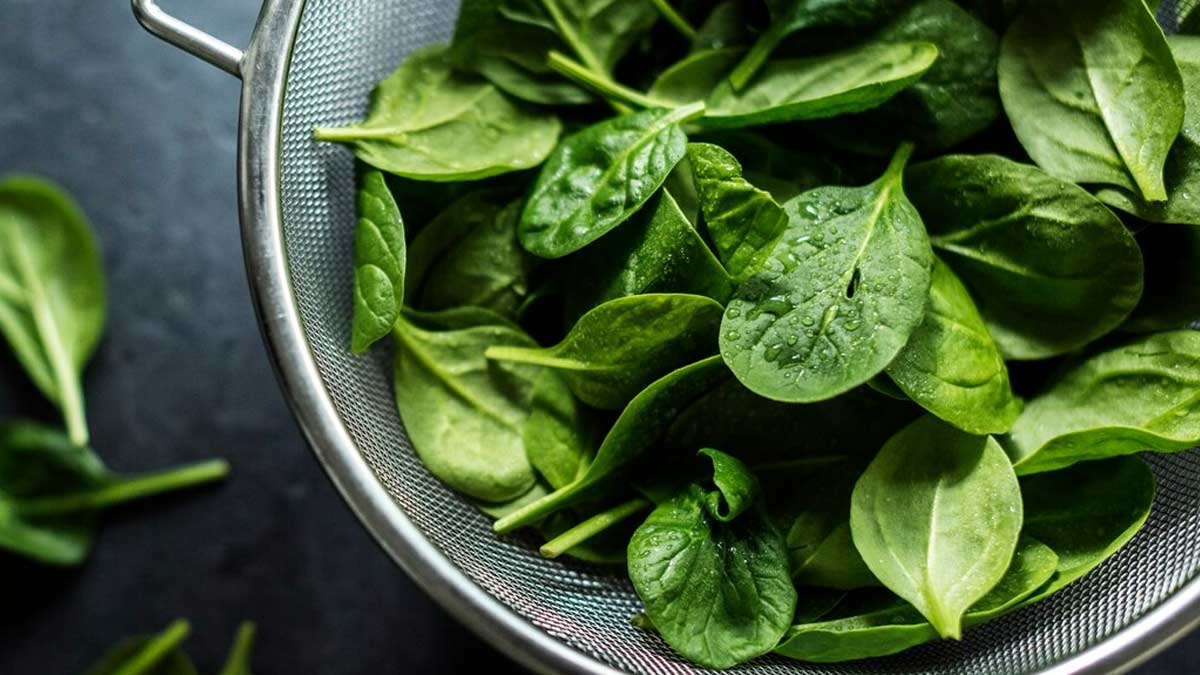
2. Spinach
During the winter season, green leafy vegetables are the freshest, especially spinach. Spinach is rich in iron, folate, vitamin C, and antioxidants, which help to improve blood and immune response. According to Aayesha, "Spinach isn't just nutritious, it's also healing. This complementary mix of vitamins enhances the production of White Blood Cells (WBCs) and thus helps your body resist the attack of any virus or pathogen naturally." Aayesha highly recommended consuming warm spinach dal or palak sabzi.
ALSO READ- Ayurvedic Remedies for Better Sexual Wellness in Cold Weather
3. Broccoli
Winter is the time for cruciferous vegetables, and broccoli is a powerhouse in this category. Broccoli is a rich source of vitamin C, vitamin K, fibre, and antioxidants such as sulforaphane. Studies suggest that it functions as a protective agent against common seasonal infections. Nutritionists suggest lightly steaming them to retain their nutrients, making them an ideal addition to stir-fries and salads.
4. Sweet Potatoes
Sweet potatoes provide energy, warmth, and nourishment, all that the body needs during winter. However, more than comfort, they are packed with vitamin A, vitamin C, fibre, and potassium. "Sweet potatoes support gut health and since immunity begins in the gut, they indirectly strengthen the overall defence system of the body," Aayesha highlighted. Additionally, they are the most versatile winter vegetables, as you can roast, boil, or mash them into soups, and their benefits remain intact.
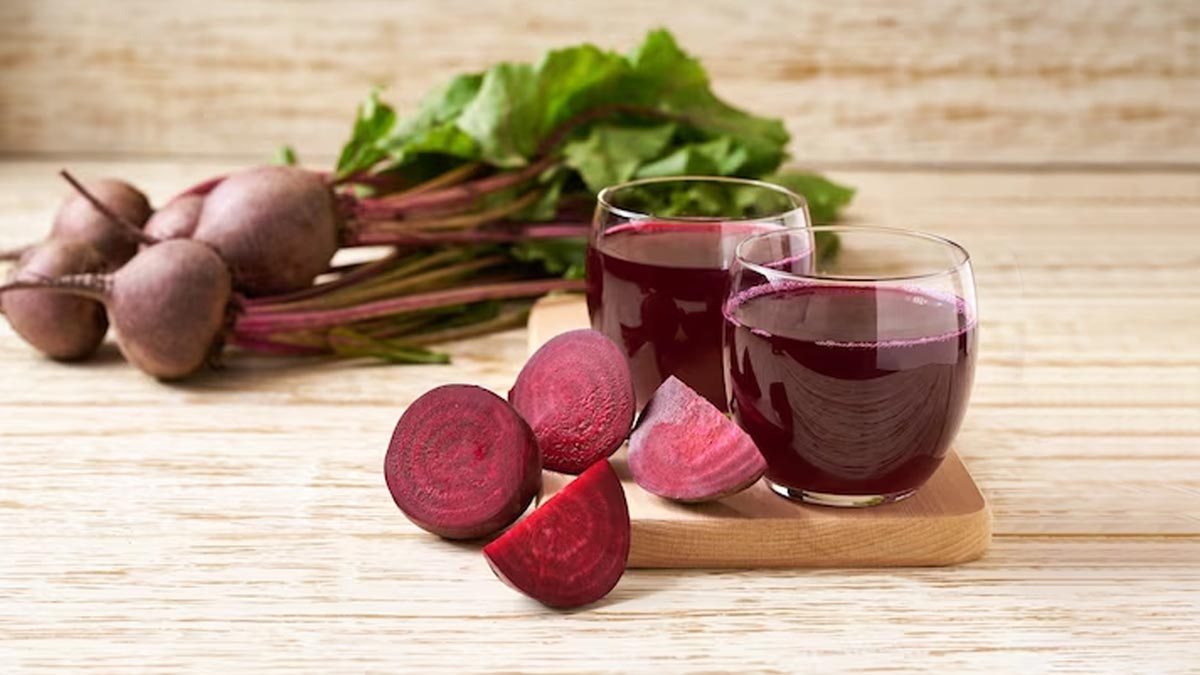
5. Beetroot
If winter makes you tired, then beetroot is just what you need. Beetroot is full of nitrates that support healthy blood circulation and phytonutrients that reduce inflammation and rejuvenate the body from within. Aayesha shared, "Beetroot boosts stamina and enhances oxygen flow, making your body more resilient to infections and winter sluggishness."
ALSO READ- Do Biotin Supplements Really Work? Dermat Shares 5 Hidden Risks
6. Cauliflower
The often-overlooked cauliflower is a mild yet potent vegetable rich in vitamin C, choline, and antioxidants that nurture detoxification processes and help the body fight inflammation. Be it for parathas, sabzi (curries), or a hearty gobi soup, cauliflower becomes comforting in winters with added immune benefits.
7. Green Peas
Plump, fresh winter peas are more nutritious than they appear. They contain a good amount of plant protein, vitamin K, vitamin C and fibre. “Green peas help maintain stable blood sugar levels and support gut health, two factors essential for strong immunity,” shared Aayesha. Add them to pulao or curries, or simply sauté them with spices to make a healthy snack.
Bottomline
While supplements may provide convenience, winter vegetables bring nourishment, immunity, and comfort in one package. Filling your plate with seasonal produce feeds the body what it really needs for natural, wholesome, and sustainable immunity.
Also watch this video
FAQ
1. Can winter vegetables replace supplements completely?
Mostly yes, if you're eating a balanced diet. Supplements help when there are deficiencies, but whole foods provide fibre, antioxidants, and nutrients in their natural form.2. How can I include these vegetables every day without getting bored?
The best way to enjoy seasonal vegetables is to rotate recipes with soups, stir-fries, roasted mixes, stuffed parathas, salads, and curries.3. Are frozen winter vegetables as effective as fresh ones?
Fresh is best, but frozen vegetables retain the majority of their nutrients. They are a great backup when fresh produce isn’t available
How we keep this article up to date:
We work with experts and keep a close eye on the latest in health and wellness. Whenever there is a new research or helpful information, we update our articles with accurate and useful advice.
Current Version
Dec 02, 2025 11:56 IST
Published By : Tanya Srivastava