-1791208151193_m.webp)
Some health questions are easy to ask online but awkward to say out loud. Why does my vagina smell different sometimes? is one of them. A vagina is not meant to be completely odourless. Its natural smell can change with the menstrual cycle, sweating, sex and changes in the vaginal microbiome.
In this edition of our Awkward Health Questions series, we look at where that smell comes from, which changes are usually harmless and when a new odour may point to an infection. The important thing is not whether your vagina has a smell, but whether the smell has suddenly changed and whether other symptoms appear with it.
What Does a Healthy Vagina Normally Smell Like?
There is no single smell that a healthy vagina is supposed to have. Dr Lavanya Kiran, Director and Lead Consultant, Obstetrics, Gynaecology, KIMS Hospitals, Electronic City, Bengaluru, explains, “A certain level of natural scent is completely normal and changes throughout the menstrual cycle, with diet, and with other everyday factors. It's a self-cleaning part of the body with its own natural bacterial balance, so some variation isn't a cause for concern.”
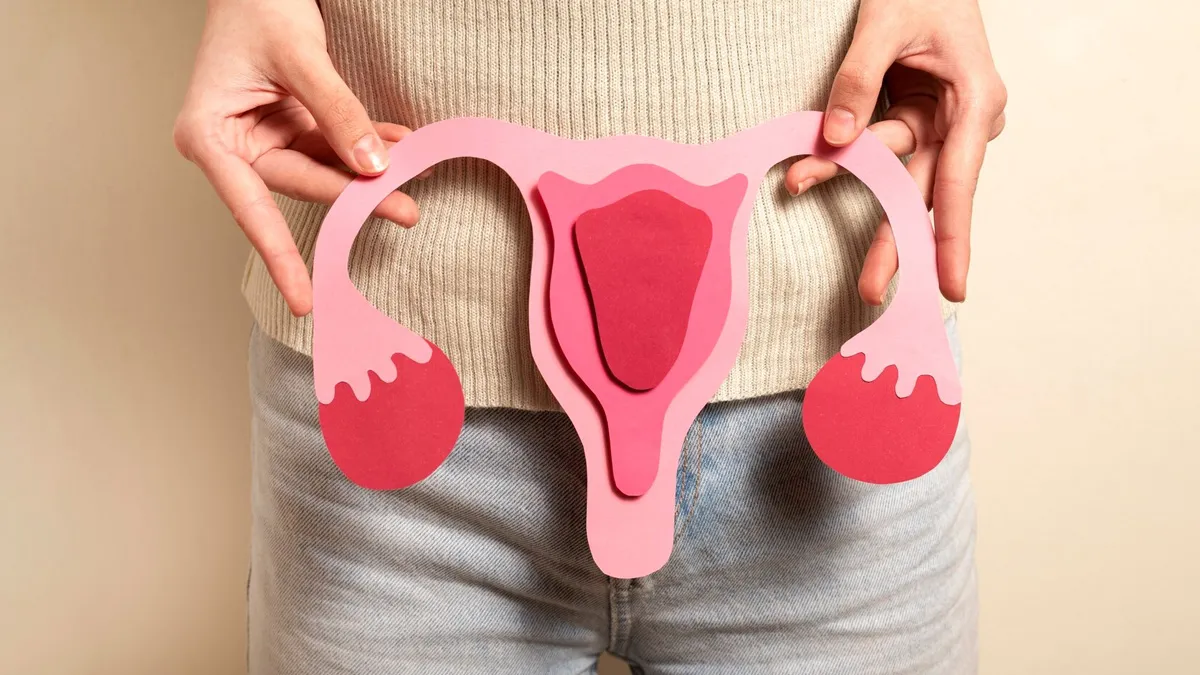 vagina smell causes
It can have a mild, musky or slightly acidic smell. This is partly linked to the vaginal microbiome, which includes Lactobacillus bacteria that help maintain an acidic environment.
A 2023 Orv Hetil review found that a healthy vaginal microbiome is typically dominated by Lactobacillus bacteria. This bacterial balance is dynamic and changes naturally with hormonal and physiological shifts.
How Can You Tell A Normal Change From An Infection?
Usually less concerning |
Worth getting checked |
Mild change around your period |
Strong, persistent odour |
After sweating or exercise |
Fishy or foul smell |
Temporary change after sex |
Unusual discharge |
Settles with normal hygiene |
Itching, burning or pain |
No other symptoms |
Symptoms that keep returning |
Dr Lavanya says, “A strong, fishy odour, particularly if accompanied by greyish discharge, can indicate bacterial vaginosis, a common and treatable imbalance in natural bacteria.” Importantly, smell alone cannot tell you exactly what the problem is.
Why Does Vaginal Smell Change During The Month?
Hormones can influence vaginal secretions and the bacteria living in the vagina. This means your usual smell may not be exactly the same throughout the month.
You may notice a change:
- Around ovulation
- Just before or during your period
- After your period
- During pregnancy or other hormonal changes
- After sweating or exercising
- Menstrual blood can also make the smell more noticeable for a few days.
A 2022 Front Immunol study explains how host cells and the vaginal microbiome interact to keep the vaginal environment healthy. Host cells produce glycogen to nourish Lactobacillus bacteria, which in turn produce lactic acid to keep pH levels low and block harmful infections. It also explores how hormonal shifts alter this bacterial balance.
ALSO READ- Can Sex Get Your Period Early? Doctor Explains What Really Happens
Can Sex, Sweat Or Your Underwear Change The Smell?
 Sweating cause vagina smell
Yes. And this is one of the reasons vaginal odour can seem unpredictable.
- Sex: Semen has a different pH from the vagina. Sexual activity can therefore temporarily change the vaginal environment and make the smell more noticeable.
- Sweat: Heat and moisture around the vulva can make natural body odour stronger, particularly after exercise or in hot weather.
- Underwear: Tight clothing and less breathable fabrics can trap heat and moisture.
- Diet: Foods such as garlic, onions and heavily spiced meals may influence overall body odour in some people. However, diet is not a reliable way to diagnose or treat a vaginal problem.
Dr Lavanya says, “Sweating during sleep or exercise can also lead to a stronger smell that typically resolves with normal hygiene.”
The Unexpected Problem: Products Used To Stay “Fresh”
Trying to remove every trace of vaginal odour can sometimes make the problem worse. Scented washes, intimate sprays, wipes and douches can irritate the vulval skin or disturb the natural vaginal environment.
The CDC also advises against douching. It can upset the vaginal bacterial balance and is associated with bacterial vaginosis.
A 2023 Indian J Med Microbiol study maps the vaginal microbiome of 52 non-pregnant, sexually active women in Mumbai. Lactobacillus iners was the most dominant bacteria species found. Major disruptions in normal bacterial levels occurred mainly in women with asymptomatic bacterial vaginosis or those who gave birth in the past year.
So, you do not need to make the vagina smell like perfume. Clean does not mean odourless.
When Does A Different Smell Mean Something Is Wrong?
The smell becomes more important when it comes with discharge, itching, burning or pain.
A fishy smell
A fishy scent combined with thin white or grey discharge is one of the most common bacterial vaginosis symptoms. BV happens when the normal balance of vaginal bacteria changes. The CDC lists a strong fish-like odour, particularly after sex, among its common symptoms.
Itching And Thick White Discharge
Unlike BV, there isn't typically a strong or distinct vaginal yeast infection smell, which is why intense itching and thick, cottage-cheese-like discharge are key for identification.
Foul Smell With Pain Or Burning
A noticeably unpleasant or persistent smell accompanied by pelvic pain, burning, unusual discharge or bleeding should be assessed by a doctor.
Other infections, including some sexually transmitted infections, can cause changes in discharge and odour.
Safe Hygiene Practices to Maintain a Balanced Vaginal pH
 Vaginal Smell Change
You do not need an elaborate intimate-care routine.
Instead:
- Wash the external vulva with water or a mild, fragrance-free cleanser.
- Avoid putting soap or washes inside the vagina.
- Do not douche.
- Change out of sweaty gym clothes or wet swimwear.
- Choose breathable underwear when possible.
- Change menstrual products regularly.
- Avoid heavily fragranced intimate products.
The vagina naturally maintains its own environment. Over-cleaning can be more disruptive than helpful.
When Should You See A Gynaecologist?
Dr Lavanya recommends getting checked if the smell:
- Is strong and persistent.
- Does not fit your usual cycle or activity pattern.
- Comes with itching or burning.
- Is accompanied by unusual discharge.
- Causes pain during sex or urination.
- Keeps returning despite treatment.
- Occurs with pelvic pain or unusual bleeding.
She adds, “If there's any uncertainty, since self-diagnosing based on smell alone can sometimes lead to using the wrong treatment, particularly between bacterial and yeast infections, which need different approaches.”
ALSO READ- Why Do Period Clots Happen? What Your Heavy Flow May Be Telling You
Conclusion
Your vagina having a smell is normal. The smell can change with hormones, periods, sex, sweat and the natural bacterial balance.
The bigger clue is a new smell that persists or appears alongside other symptoms. That is when it is worth moving beyond home remedies and getting the cause checked.
FAQ
Can vaginal odour change after your period?
Yes. Menstrual blood can temporarily alter vaginal odour, and the vaginal environment also changes during the menstrual cycle. If the smell settles after the period without other symptoms, it is usually less concerning.Can vaginal odour return after treatment?
Yes. Conditions such as bacterial vaginosis can recur even after treatment. Repeated episodes should be discussed with a gynaecologist rather than repeatedly using over-the-counter treatments without confirming the cause.
All possible measures have been taken to ensure accuracy, reliability, timeliness and authenticity of the information; however Onlymyhealth.com does not take any liability for the same. Using any information provided by the website is solely at the viewers’ discretion. In case of any medical exigencies/ persistent health issues, we advise you to seek a qualified medical practitioner before putting to use any advice/tips given by our team or any third party in form of answers/comments on the above mentioned website.
How we keep this article up to date:
We work with experts and keep a close eye on the latest in health and wellness. Whenever there is a new research or helpful information, we update our articles with accurate and useful advice.
-
Current Version
Oct 05, 2026 19:20 IST
Modified By : Vivek Kumar Oct 05, 2026 19:20 IST
Published By : Vivek Kumar
Reviewed By : Dr Lavanya Kiran