Many individuals opt for fasting or diets that involve restricted eating. This may include keeping a gap of 6, 7 or more hours between meals. This practice is beneficial for weight loss. But did you know that there’s more to it? As per a new study, restricting meals and snacks for 8 or 9 hours can improve your cognitive performance and brain health. To know more about the study, read ahead.
What is The New Study on Brain Health and Diet About?
A recent study, presented at the American Society for Nutrition, discovered that restricting meals and snacks to an eight to nine-hour window daily may help boost your brain health. The research notes that this dietary practice can preserve certain thinking and problem-solving abilities. The preliminary research was conducted by the Rutgers University researchers, and it was presented at Nutrition 2026, the annual meeting of the American Society for Nutrition.
The research was conducted on older women aged between 50 to 79. All these women were overweight or obese. The women who limited their eating to an eight- to nine-hour window showed greater improvements on some cognitive tests, as compared to those who followed the same reduced-calorie diet but consumed over a typical 12-hour period.
These results indicate that the specific timing of your meals may offer benefits which go beyond weight loss. However, these are early findings, and experts caution that larger studies are still needed to confirm these claims.
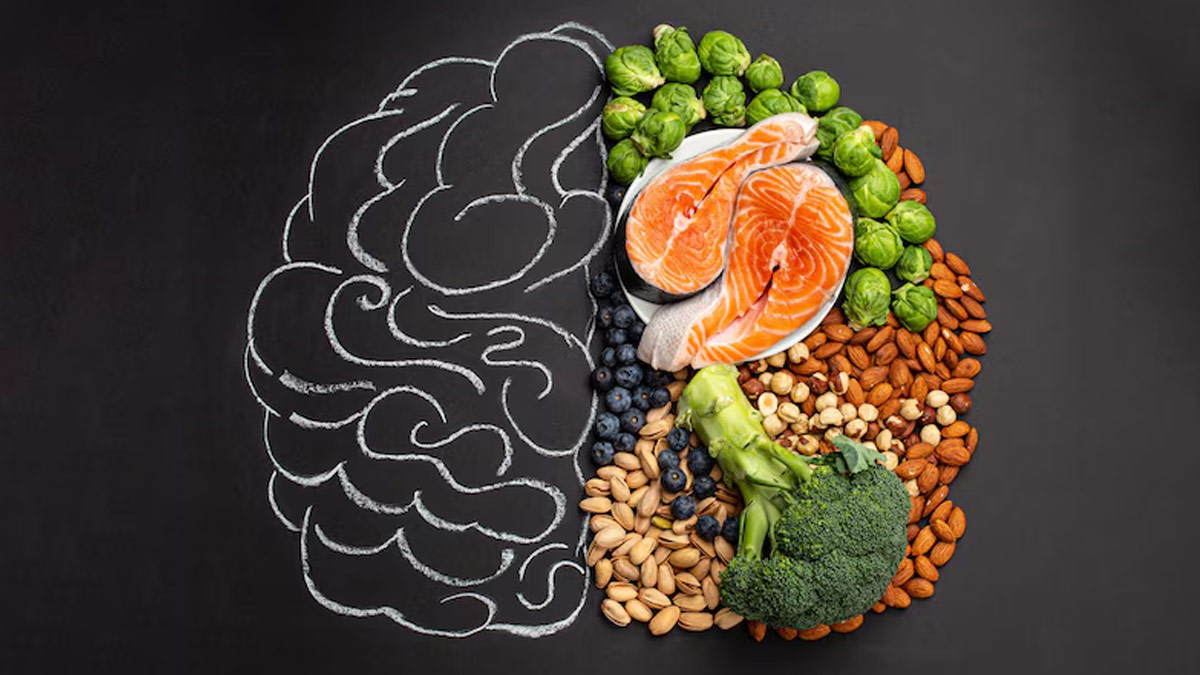
How Diet Impacts Brain Health
Diet has a strong connection with how your brain functions. Many studies have pointed out the benefits of Omega-3 for the brain, especially during the early months of life. A 2009 study, published in the Child Development journal discovered that newborns who were fed formula loaded with omega-3 fared better on problem-solving tasks in their ninth month, as compared to those who did not.
According to the American Heart Association, insufficient levels of omega-3s can lead to mood disorders and cognitive loss in adulthood. On the other hand, it notes that higher consumption of these fatty acids can boost learning, memory, cognitive well-being and blood flow to the brain. Your diet quality in midlife is also linked to brain structure and volume. Many studies have discovered that healthier eating patterns may lower dementia risk, a topic gaining attention as the population ages.

A 2021 study, published in the Journal of Alzheimer's Disease, noted that greater adherence to the Mediterranean and DASH (MIND) diet contributed to cognitive resilience (the ability to maintain cognitive function despite damage to the brain) in older adults. The researchers had previously noted the MIND diet may also slow cognitive decline and minimise the risk of dementia.
ALSO READ- Is Intermittent Fasting Good for Heart Health? A Cardiologist Weighs In
Conclusion
To summarise, a new study has attempted to understand that what you eat and when you eat, both of these play an important role in maintaining cognitive health as you age. While adopting a nutrient-rich diet remains crucial for preventing cognitive decline, limiting your daily eating window to eight or nine hours may also prove to be an effective tool to keep your brain healthy. However, larger studies are needed to fully understand these specific benefits and come to a conclusion whether your meal timing can actually prove to be a promising step toward preserving long-term brain health.
FAQ
What happens to your brain when you skip meals?
When you do not eat, your brain experiences a drop in glucose, shifts to alternative fuel sources, and triggers stress responses that alter your mood and thinking.What is 10 hour time-restricted eating?
In recent years, there's been a growing interest in an eating pattern called time-restricted eating or intermittent fasting. With this approach, eating is limited to about an 8 to 10 hour window of time each day.
All possible measures have been taken to ensure accuracy, reliability, timeliness and authenticity of the information; however Onlymyhealth.com does not take any liability for the same. Using any information provided by the website is solely at the viewers’ discretion. In case of any medical exigencies/ persistent health issues, we advise you to seek a qualified medical practitioner before putting to use any advice/tips given by our team or any third party in form of answers/comments on the above mentioned website.

How we keep this article up to date:
We work with experts and keep a close eye on the latest in health and wellness. Whenever there is a new research or helpful information, we update our articles with accurate and useful advice.
-
Current Version
Jul 29, 2026 14:40 IST
Published By : Shruti Das