
From providing nutrition to boosting an infant’s immunity, breastmilk has manifold health benefits. Beyond this, the act of breastfeeding is also an emotionally enriching one for new mothers. This World Breastfeeding Week, let us take a look at the lifelong benefits of breastmilk. This special week is observed annually from August 1 to 7 to protect, promote, and support breastfeeding worldwide.
To understand this better, we reached out to Dr Khushboo Saxena, Senior Consultant, Obstetrics and Gynaecologist, ShardaCare-HealthCity, Greater Noida.
What are The Lifelong Benefits of Breastfeeding?
Let us straightaway get to the main point and understand the benefits of breastfeeding. Dr Saxena says, “Breastfeeding gives lasting benefits to both baby and mom.” On this note, the expert explains it for you in detail:
Benefits For The Baby
- It builds a stronger immune system, which means fewer ear, chest, and stomach infections in childhood.
- It also lowers the risk of allergies, eczema, obesity, type 1 and type 2 diabetes, high blood pressure, and heart disease later in life.
- Breastfed babies often show better brain development with slightly higher IQ scores and improved school performance.
- Breast milk helps develop a healthy gut microbiome, which supports immunity and long-term metabolic health.
- The close skin-to-skin contact during feeding strengthens emotional bonding and supports better social development.
 breastmilk benefits 1
Benefits For The Mother
- Breastfeeding offers protection. The longer the total duration, the lower the risk of breast cancer and ovarian cancer.
- It also reduces the risk of type 2 diabetes, especially for women who had gestational diabetes, along with lower risks of high blood pressure, heart and endometrial cancer.
- It helps moms return to their pre-pregnancy weight faster and can provide natural birth spacing in the first 6 months if exclusively breastfeeding.
- Beyond the physical benefits, it improves mother-infant bonding and is linked to a lower risk of postpartum depression in many women.
 breastmilk benefits 2
Can Breastfeeding Protect Children From Diseases?
According to the World Health Organization (WHO), early, exclusive and continued breastfeeding provides protection to infants and children from infectious diseases. It adds that infants who are mixed fed (partially breastfed) or not breastfed are much more likely to die from diarrhoea, pneumonia and other infectious diseases. While the impact is greater in low and middle income countries, infants in high income countries who are not breastfed are also more likely to die in childhood.
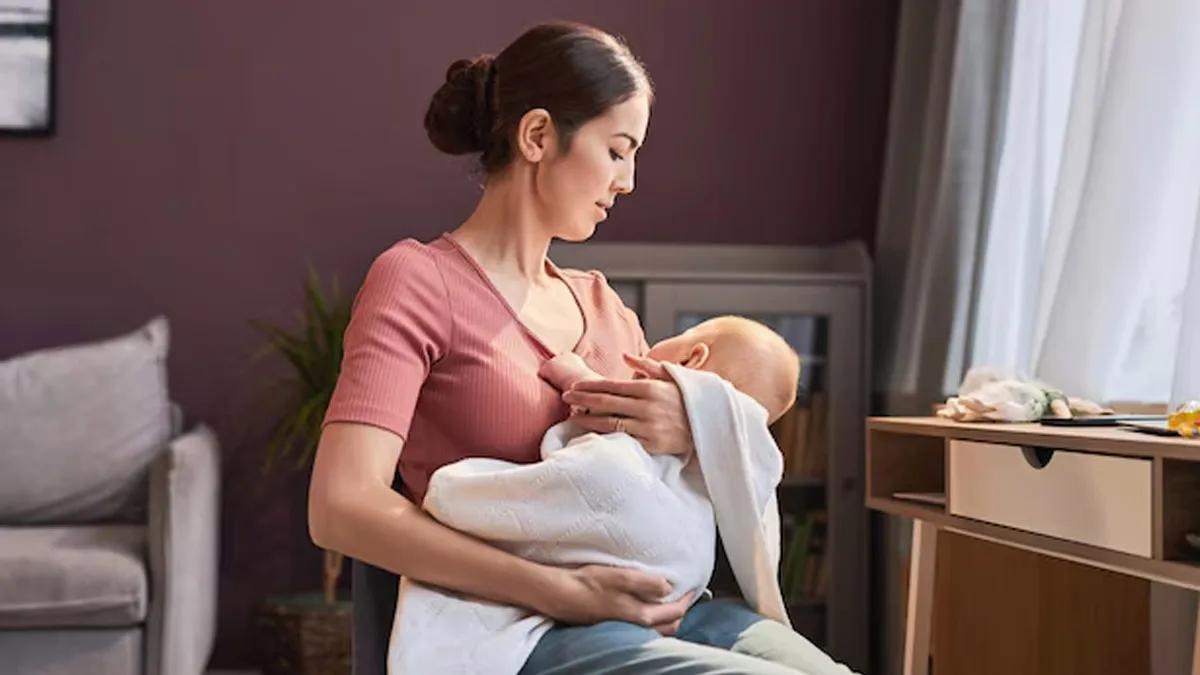
A 2021 study, published by the National Center for Biotechnology Information (NCBI), states that breastfeeding provides powerful protection against different diseases and health conditions for both children and mothers. It notes that when a baby consumes breast milk, they receive a mix of antibodies and immune factors, which is passed directly from the mother. This helps develop the infant's immune system from the very first days of life.
 breastmilk benefits 3
The research notes that because of these protective components, babies who are breastfed have a significantly lower risk of contracting illnesses such as ear infections, respiratory infections, and severe diarrhoea. It adds that breast milk also minimises the long-term risk of chronic conditions such as asthma, type 2 diabetes, and childhood obesity.
ALSO READ- What Is Hyperlactation Syndrome? Expert Shares Potential Causes Of Excessive Breast Milk Production
Conclusion
Breastfeeding is more than just a process of nourishing a newborn. In fact, it is a powerful investment in the long-term health and well-being of both the mother and child. For infants, it acts as a natural medicine that builds their immune system and protects them against chronic conditions and infections well into adulthood. And for the mothers, it helps by naturally reducing the risk of serious health issues such as breast cancer, heart disease, and type 2 diabetes. Beyond these physiological advantages, this nurturing process also helps develop a deep, emotional connection between the mother and child. It also supports the overall mental well-being of the family. This World Breastfeeding Week, it is important to support and empower new moms with the right resources, so they can provide this lifelong foundation of health the right way.
FAQ
What is the best age to stop breastfeeding?
There is no specific age to stop breastfeeding, as major health groups like the WHO suggest feeding for 2 years or beyond.Is 7 minutes of breastfeeding enough for a newborn?
Seven minutes of total breastfeeding is generally not enough for a newborn. Most newborn feeding sessions last between 10 to 40 minutes.
All possible measures have been taken to ensure accuracy, reliability, timeliness and authenticity of the information; however Onlymyhealth.com does not take any liability for the same. Using any information provided by the website is solely at the viewers’ discretion. In case of any medical exigencies/ persistent health issues, we advise you to seek a qualified medical practitioner before putting to use any advice/tips given by our team or any third party in form of answers/comments on the above mentioned website.

How we keep this article up to date:
We work with experts and keep a close eye on the latest in health and wellness. Whenever there is a new research or helpful information, we update our articles with accurate and useful advice.
-
Current Version
Aug 05, 2026 18:14 IST
Published By : Shruti Das