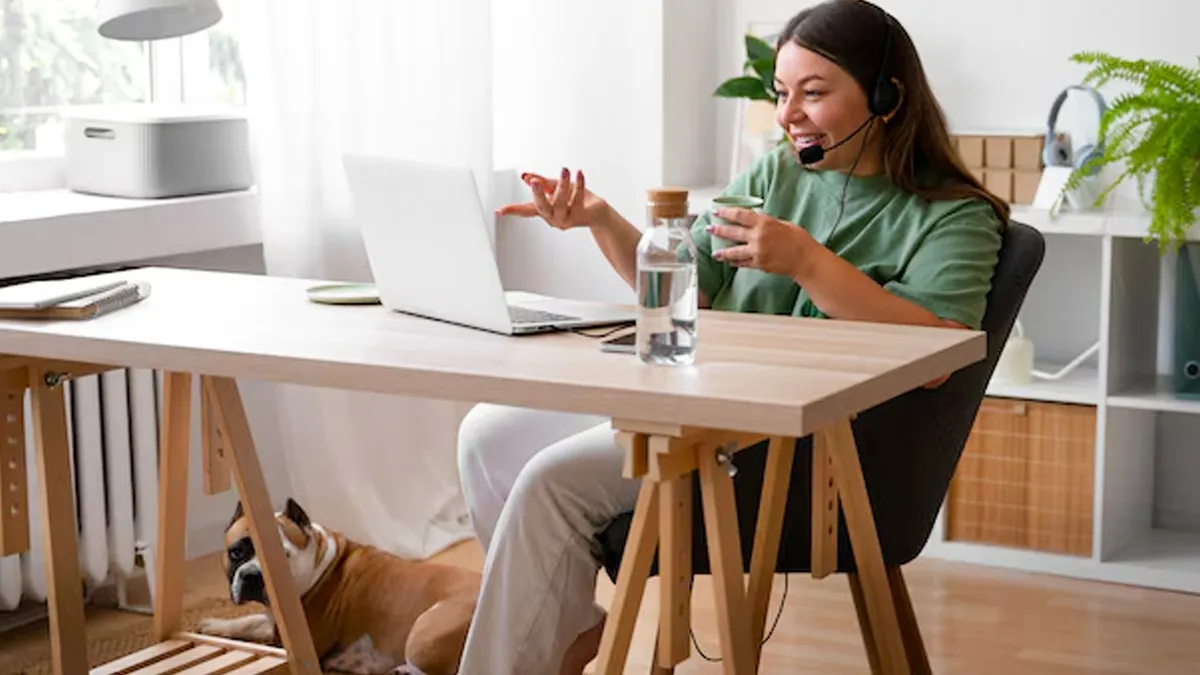
Long gone are the days of Covid-19, when work from home became the norm. The majority of employees are now back to work from office mode. While many workers miss working from home, others prefer a middle way – a hybrid mode of functioning. The best of both worlds as they say. Now, a new study by researchers at the University of Melbourne's Melbourne Institute stated that hybrid work mode may boost women’s mental health. Sounds interesting, isn’t it?
To understand this from an expert lens, we reached out to Dr Divya Shree KR, Consultant – Psychiatry, Aster CMI Hospital, Bangalore. Let’s take a look at what the expert has to say.
Can Working From Home Boost Your Mental Health?
Is work from home actually good for your mental health? Let us find out. “Working from home can boost mental health for many people when it is managed well. It helps reduce daily stress caused by long travel time, traffic, and crowded offices. People often get more time for rest, family, and personal activities, which can improve mood and emotional balance,” says Dr Shree KR.
She adds, “Working from home also allows better control over work schedules, helping people work during their most productive hours. A comfortable home setting can make people feel safer and more relaxed. However, it is important to maintain routine and boundaries, as lack of structure can lead to loneliness or burnout. Regular breaks, clear work hours, and social connection are key to gaining mental health benefits from working from home.”
 hybrid women 1
How Many Days Of Work From Home Is Best For Mental Health?
Now, we know that a hybrid model has a mix of work from office and operating from home. We ask our expert how many days of work from home one needs for overall wellbeing.
“There is no one fixed number of work from home days that suits everyone. But studies and expert opinions suggest that two days (of work from home) per week works best for mental health. This balance allows people to enjoy flexibility and reduced stress from travel, while still staying socially connected at the workplace,” answers Dr Shree KR.
She continues further, “Working from home every day can sometimes lead to loneliness, lack of routine, and blurred work-life boundaries. On the other hand, working fully from the office may increase stress and fatigue. A hybrid model helps people stay productive without feeling isolated. It also supports better teamwork and personal well-being. Having a mix of home and office days gives structure, flexibility, and emotional balance, which is important for long-term mental health.”
How Hybrid Work Mode Supports Women’s Mental Health
As the above mentioned study noted, hybrid work mode is apparently good for women’s mental health. Why so? “Yes, a hybrid work model can have a positive effect on women’s mental health. It helps reduce daily stress and time pressure. Many women balance work with home and caregiving duties; flexible workdays make this easier,” answers Dr Shree KR.
“Working from home on some days allows better time management and more rest. It can reduce burnout and feelings of constant rush. Office days still provide social connection, teamwork, and professional visibility, which are important for confidence and growth. A hybrid model also supports work-life balance without complete isolation. When women feel more in control of their time and responsibilities, they often experience less anxiety, improved focus, and better overall emotional well-being,” adds the expert.
Also Read: Can Casual Dating Harm Your Mental Health?
Why Women Benefit More From Hybrid Work Mode
But why specifically women? If you are wondering why this specific gender, as per the study, benefits more from hybrid work mode, our expert decodes.
“Yes, women benefit more from a hybrid work mode than men according to new studies because it gives them greater flexibility and better balance between work and personal life. Many women handle household and caregiving duties in addition to their job, and hybrid work helps them manage both without feeling too stressed or overwhelmed,” shares the expert.
 hybrid women 2
“Hybrid arrangements reduce long commuting time and offer control over work schedules, which improves mental health and productivity for women. It also helps many women stay employed and even grow their careers by allowing them to work efficiently from home, while still connecting with colleagues on office days. These factors together make hybrid work especially positive for women’s mental health and career growth compared to traditional office-only work,” concludes Dr Shree KR.
Can Work From Home Make You Feel Lonely?
Work from home has multiple benefits, but it also comes with certain cons. This setup of operating has the possibility of making you feel lonely. “Yes, work from home can sometimes create a sense of isolation and loneliness. When people do not meet colleagues in person, they may miss casual conversations and social bonding. This lack of daily interaction can make some people feel disconnected or left out,” shares Dr Shree KR.
“Working alone for long hours may also affect motivation and mood. Over time, loneliness can increase stress and reduce job satisfaction. People who live alone may feel this more strongly. However, this can be managed with regular team calls, virtual check-ins, and planned office days. Taking breaks, staying socially active outside work, and following a routine can help reduce isolation while working from home,” she adds.
The Final Word
Women benefit more from a hybrid work mode than men, according to new studies. This is because it gives them greater flexibility and better balance between work and personal life. Many women handle household and caregiving duties in addition to their job, and hybrid work helps them manage both without feeling too stressed or overwhelmed.
FAQ
What is a hybrid workplace model?
A hybrid work mode means employees split their time between working in a physical office and working remotely.What are the benefits of hybrid work for women?
There are multiple benefits such as improved work-life balance, greater flexibility and time saved commuting.What are the disadvantages of hybrid working?
Hybrid work's disadvantages include communication gaps, reduced collaboration, potential for inequality (proximity bias), burnout, isolation, security risks, and management challenges.
All possible measures have been taken to ensure accuracy, reliability, timeliness and authenticity of the information; however Onlymyhealth.com does not take any liability for the same. Using any information provided by the website is solely at the viewers’ discretion. In case of any medical exigencies/ persistent health issues, we advise you to seek a qualified medical practitioner before putting to use any advice/tips given by our team or any third party in form of answers/comments on the above mentioned website.
How we keep this article up to date:
We work with experts and keep a close eye on the latest in health and wellness. Whenever there is a new research or helpful information, we update our articles with accurate and useful advice.
-
Current Version
Dec 29, 2025 21:18 IST
Modified By : Shruti Das Dec 29, 2025 21:18 IST
Modified By : Shruti DasDec 29, 2025 21:18 IST
Published By : Shruti Das
Reviewed By : Dr Divya Shree K R