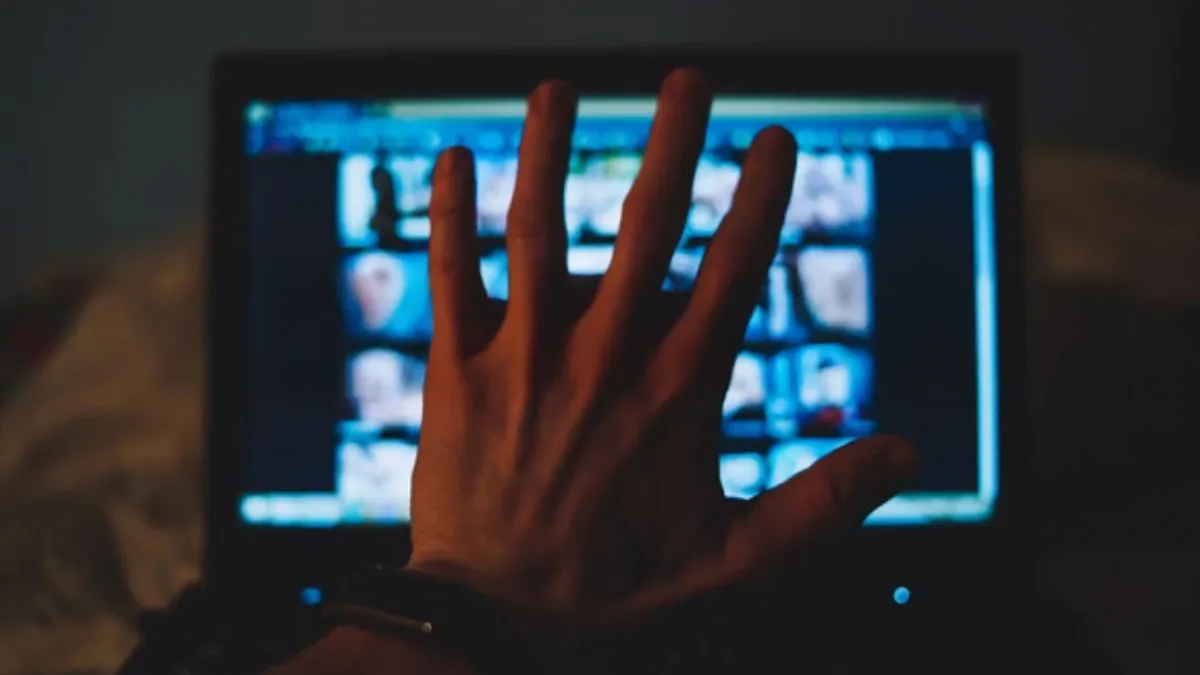
In an age of constant connectivity, private screens and mounting pressure, India is quietly grappling with mental health issues. While a small portion of people openly discuss, there are a few who hide behind the screens to de-stress. According to a recent study, a group of researchers at NIMHANS revealed a disturbing connection between mental distress and compulsive consumption of porn. The study highlights the link that indicates increased levels of stress and anxiety may be sparking an increasingly compulsive consumption of porn.
Published in the journal Geopsychiatry, the study not only explained how often people consume pornography, but also why they turn towards it, and what happens when it becomes a coping mechanism rather than a choice.
When Does Watching Porn Become a Problem
The researchers noted that Problematic Pornography Use (PPU) is not about occasional viewing or curiosity-driven consumption. Rather, it is a compulsive type of use despite having negative consequences. Individuals who use pornography problematically experience difficulties despite, or because of, their use, such as guilt, problems with personal and social relationships, decreased productivity, and unsuccessful attempts to control their use.
The study conducted at NIMHANS saw many cases of addiction, which are typically associated with characteristics of substance use disorders, such as the presence of physical craving, higher tolerance, withdrawal symptoms upon attempts to quit, and relapse following periods of control. In simpler words, the symptoms primarily start and end with loss of control.
ALSO READ- Explained: How Watching Pornography Can Affect Your Relationship
 masurbate
Why Pornography Use Is On the Rise in India
As stated in the study, porn consumption has seen an unprecedented rise in India in the last two decades because of the triple A factor, which includes accessibility, affordability, and anonymity provided by the use of smartphones and the privacy offered by private browsing modes and cheap internet data.
Additionally, social media use, along with high levels of stress and a lack of awareness regarding mental health, provides a rich soil for unhealthy coping mechanisms, particularly among young adults.
What was the NIMHANS Study?
The study was conducted on 112 Indian adults aged 18 to 46 years who acknowledged that they had difficulty controlling their consumption of pornography. The study used established psychological scales and parameters to measure anxiety and depression-related distress, cravings associated with viewing pornographic materials, reasons for consumption (which include boredom or escape from emotions), and addictions (like withdrawal and relapse experiences).
Rather than looking at screen use alone, the aim was to identify emotional motivations for the behaviour as well as the consequences for mental health.
Key Finding of Study
One of the most interesting findings was the association between problematic use of pornography and psychological distress. Levels of anxiety, stress, and depression were shown to be significantly associated with increased symptoms of problematic use of pornography. Among these, anxiety and using pornography as a means of dealing with stress were found to be the strongest predictors.
In other words, people who experience emotional stress are likely to use porn for escape. According to mental health professionals, what happens in this instance is referred to as emotional dysregulation, or the inability to deal with uncomfortable emotions without becoming involved in compulsive behaviour patterns.
On the other hand, early exposure was also a factor. The study indicates that exposure to these explicit images from a very young age can influence the way the reward system functions, leading to compulsive behaviour.
 1-porn
Psychiatrist’s POV on Increased Porn Addiction in India
Our expert, Dr Divya Shree K R, Consultant Psychiatrist, Aster CMI Hospital, Bengaluru, explained, “Many adults use pornography to cope with stress, loneliness or anxiety, but over time it can turn into a habit that feels difficult to control. The strong link between anxiety, stress and problematic pornography use shows that this is not a moral issue; it is a mental health issue.”
“This study also suggests that early exposure can impact the learning of reward by the brain, which can lead to compulsive actions. The study has made it clear that it is necessary to treat the underlying conditions of anxiety, stress, and depression instead of just attempting to extinguish the behaviour,” she added.
How Does Pornography Addiction Link to Sex Addiction?
According to Dr Divya, “Many people in India experience a lot of work pressure, education competition, financial insecurity, and social demands, but lack healthy coping mechanisms. Pornography use might temporarily distract the mind and decrease tension, but the brain will start associating it with relieving the tension, and subsequently, people become compulsive users.”
She also mentioned the silence that exists culturally regarding sexuality, health, and mental wellness. "Shame and stigma are preventing people from seeking services. The proximity offered by smartphones and anonymity offered by homes further increase that risk," she noted.
Tips to Break-free of Porn Addiction
Dr Divya advised having boundaries around technology, for example, limiting screen time or avoiding the use of technology at night when the urges are at their peak. The behaviour of watching porn can be replaced by undertaking more constructive habits, like exercise, reading, arts, or socialising.
Stress management strategies such as deep breathing, meditation, and yoga can help control emotions without resorting to avoidance behaviours.
Whenever those urges appear to be overpowering and/or uncontrollable, it becomes essential to seek the help of a professional. “Counselling can also work in developing self-control and stronger coping mechanisms. Recovery becomes realistic and achievable through constant support and perseverance,” Dr Divya concluded.
Bottomline
The NIMHANS study makes it clear that compulsive pornography use in India is closely tied to stress, anxiety and unmet emotional needs. Addressing mental health openly, rather than in silence, may be the most effective way to break the cycle and promote healthier relationships with both technology and oneself.
All possible measures have been taken to ensure accuracy, reliability, timeliness and authenticity of the information; however Onlymyhealth.com does not take any liability for the same. Using any information provided by the website is solely at the viewers’ discretion. In case of any medical exigencies/ persistent health issues, we advise you to seek a qualified medical practitioner before putting to use any advice/tips given by our team or any third party in form of answers/comments on the above mentioned website.
How we keep this article up to date:
We work with experts and keep a close eye on the latest in health and wellness. Whenever there is a new research or helpful information, we update our articles with accurate and useful advice.
-
Current Version
Dec 24, 2025 16:16 IST
Modified By : Tanya Srivastava Dec 24, 2025 16:16 IST
Modified By : Tanya SrivastavaDec 24, 2025 16:16 IST
Published By : Tanya Srivastava
Reviewed By : Dr Divya Shree K R