


In today's hyper-connected world, screens have quietly become a constant companion, from office laptops and mobile phones to OTT platforms and gaming consoles. But behind this convenience, there is a health concern, expert point out the subtle yet significant impact of excessive screen time and chronic stress on fertility, especially among young couples who assume they have plenty of time to start a family.
Table of Content:-
According to Dr Anu Sridhar, Senior Consultant, Obstetrics & Gynaecology, Fortis Hospital, Bannerghatta Road, Bengaluru, prolonged digital exposure coupled with stress has created a new pattern of reproductive problems. “Most couples don’t realise how everyday habits like late-night scrolling, poor sleep, work pressure, and lack of downtime, can disrupt hormonal health. Over time, this can affect ovulation, sperm quality, and overall fertility,” she warned. Here is everything she shared with us.
Affect of Screen Time on Fertility
The blue light emitted from screens decreases the production of melatonin, which is an important hormone in regulating the sleep-wake cycle. Poor sleep directly affects reproductive hormones such as oestrogen, progesterone, and testosterone.
Dr Sridhar explained, "Irregular sleeping patterns among women often result in disturbed menstrual cycles. In men, poor quality sleep has been found to reduce levels of testosterone, besides reducing sperm counts and sperm motility.

Besides this, constant exposure to screens, especially before bed, puts the brain into a high-alert state. This can suppress the deep restorative sleep of the body that's so essential for hormone balance. Over weeks and months, this sets up an internal hormonal imbalance that quietly may reduce fertility without obvious symptoms.
Affect of Stress on Fertility
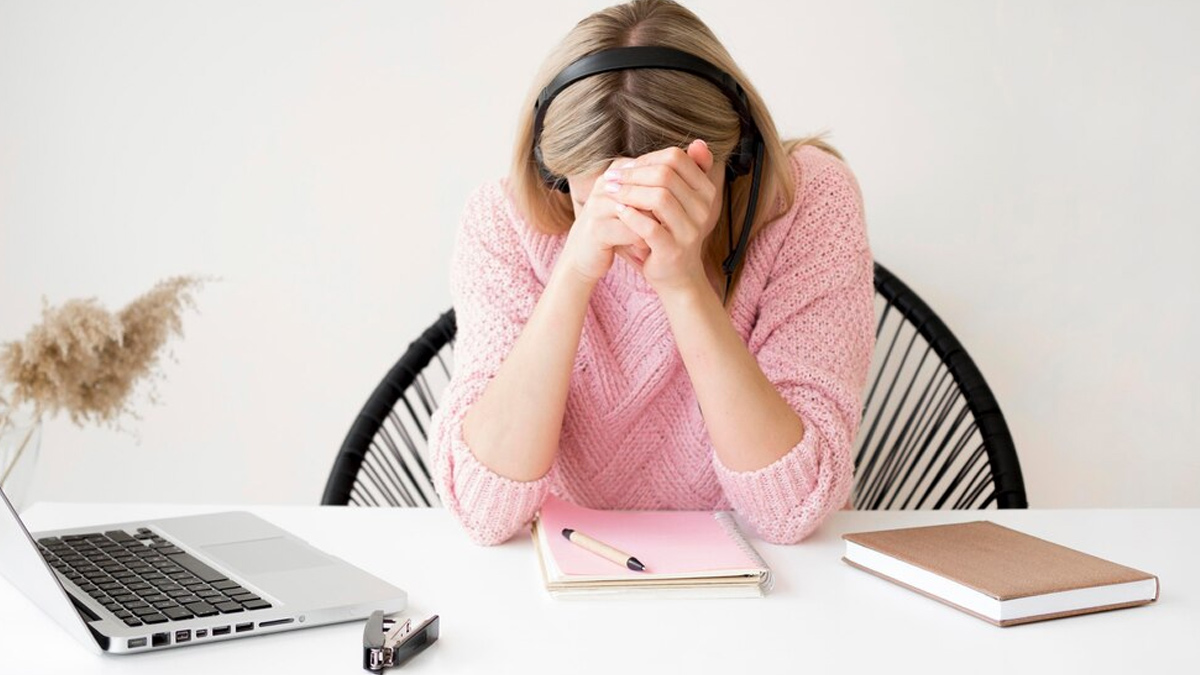
Chronic stress is also now considered one of the main reasons for infertility among young couples. Today, work pressures, financial responsibilities, competitive lifestyles, and social media comparisons are some of the daily triggers of stress.
In stress, the body overproduces cortisol, which interferes with the hypothalamus, the section of the brain responsible for reproductive hormones.
"When cortisol remains high for a long period, it can delay ovulation or even bring it to a temporary stop. In men, chronic stress is related to a decrease in sperm production and an increased risk of erectile dysfunction," Dr Sridhar shared.
What makes this dangerous is that stress often passes unnoticed or becomes normalised. People assume it's part of modern life, while inside, their body struggles to keep all hormones in balance.
Also Read: Expert Shares How Weekend Habits Quietly Impact Sperm Quality
Lifestyle Patterns That Lead to Fertility Issues
While screen time and stress are central factors, they often come packaged with other unhealthy habits that further strain fertility, such as:
- Sedentary routines due to long hours on devices
- Inconsistent meal timing or over-snacking on the job
- Reduced physical activity and sunlight exposure
- Sleep deprivation caused by scrolling or binge-watching.
- Intimacy level is lower as couples seem glued to their phones.
Dr Sridhar noted that young couples tend to delay health check-ups since they believe fertility decline is an issue only after the age of 35. “But what we’re seeing today is lifestyle-induced fertility issues even among people in their 20s and early 30s,” she added.
Expert-approved Practical Steps to Protect Fertility
Dr Sridhar added that many of these issues are reversible with mindful lifestyle changes. She recommended:
- Setting digital boundaries, such as screen-free evenings
- Limiting blue light exposure by using filters or device settings
- Prioritising seven to eight hours of restful sleep
- Including daily movement-even short walks or stretching
- Scheduling regular fertility check-ups, if planning a pregnancy
- Practising meditation or maintaining a journal for stress management
Most importantly, a couple needs to communicate openly. “Fertility is a shared journey. Both partners should make lifestyle improvements together,” concluded Dr Sridhar.
Bottomline
Excessive screen time and chronic stress silently affect hormone balance and fertility in young couples, but even simple lifestyle changes, awareness, and timely medical guidance can improve reproductive health.
Also watch this video
FAQ
1. Can screen time really affect fertility?
Yes, excessive exposure to screens disrupts sleep, increases stress, and affects hormone regulation-all factors that can reduce fertility.2. Does stress affect fertility in both men and women?
Absolutely, chronic stress inhibits ovulation in women and decreases sperm quality and sexual function in men.3. When is a fertility evaluation indicated for young couples?
If pregnancy is planned, basic fertility screening should be done early, particularly when cycles are irregular, one is under chronic stress, or has long hours of digital exposure.
How we keep this article up to date:
We work with experts and keep a close eye on the latest in health and wellness. Whenever there is a new research or helpful information, we update our articles with accurate and useful advice.
Current Version
Dec 14, 2025 14:36 IST
Modified By : Chanchal SengarDec 14, 2025 14:36 IST
Published By : Tanya Srivastava