
High heels can transform your appearance and gait. However, it's not just the feet that are affected. Lifting the heel moves the ankle and may affect how the knees, spine, pelvis, hips, and lower back move while walking. This doesn't imply that heels will definitely harm the hips, however.
But if the body is subjected to different mechanical demands with frequent use, especially higher heels. So, yes, heels can impact hip motion and the muscles around the pelvis, but not necessarily mean hip arthritis or long term joint damage. Here is what happens higher up the body.
How Do High Heels Affect The Hips and Spine?
Dr Sunil Kumar Sharma, Senior Consultant, Orthopaedics, Prayag Hospitals, Noida, says, "Most people think of heels with regard to the ankle or foot, but the effect is much stronger than that. The hips and spine pick up a significant amount of that altered load, and many people don't notice it till years later when regular use has caught up with them.”
 heels affect hip
Walking in heels alters the mechanics of each step. The ankle remains in a plantar-flexed position, and the knees, pelvis and hips must move to keep balance. A study in the Journal of Clinical Medicine found that wearing shoes with a heel of at least one inch for more than six hours daily significantly reduced sudden flares of hip pain. A small heel naturally tilts your pelvis slightly forward, which compensates for stiff hip muscles and the spine. This simple posture shift eases joint strain during movement, making walking much more comfortable.
Can Heels Change Pelvic Position And Hip Movement?
Dr Sunil Kumar Sharma explains, “Heels tilt the pelvis forward, increasing what's called anterior pelvic tilt, which changes the angle at which the hip joint bears load.” A 2024 Cureus studyexplains that putting on a heel does not trigger an immediate, universal shift in pelvic bone position for everyone. Instead, the way heels affect the hip joint, spine, and lower back is highly individualised. A person's natural posture, the exact design of the shoe, and their muscle endurance play a much larger role than the heel height alone. 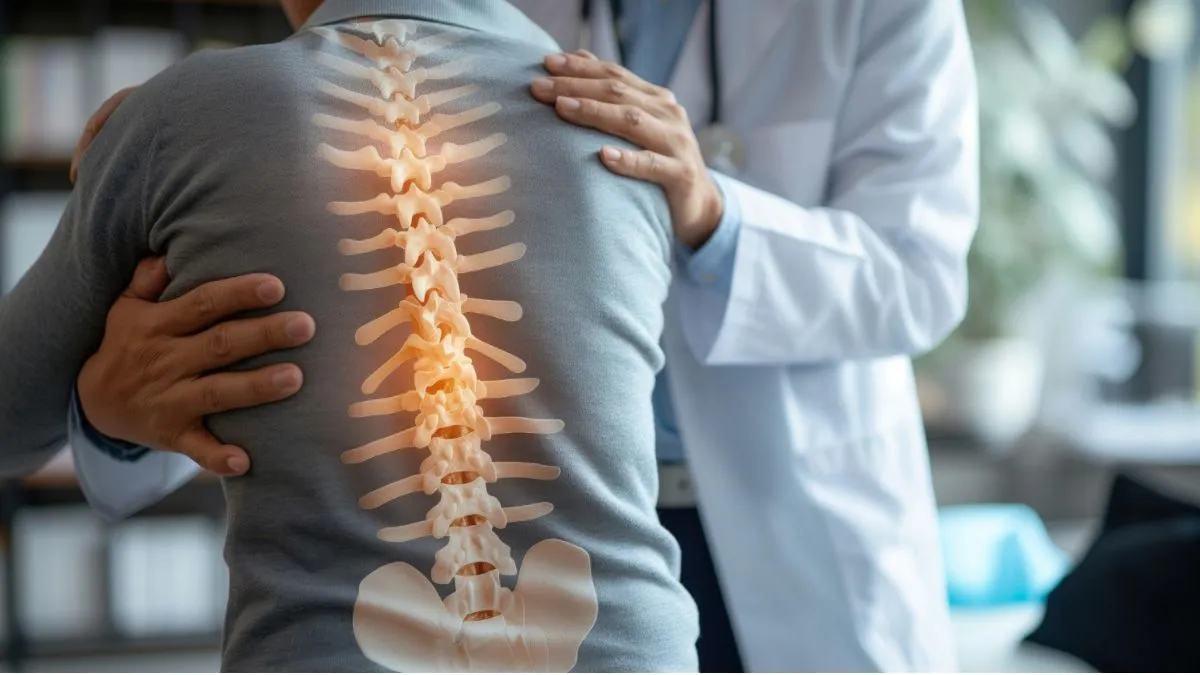 heels affect spine
When hip pain or posture changes do occur, they are often the result of muscles becoming exhausted from compensating over a long day, rather than an instant, forced structural change caused by the shoe itself.
However, not every study has found a straightforward increase in anterior pelvic tilt. This means heel-related posture changes can vary depending on heel height, footwear design, the person wearing them and the activity being performed.
Why Can Your Hip Flexors Feel Tight After Wearing Heels?
Dr Sharma says, “To compensate for this tilt and stay balanced, the hip flexors, particularly the iliopsoas, stay in a shortened, more contracted position for extended periods, which can lead to chronic tightness over time.”
- The hip flexors help lift the thigh and control hip movement. Changes in posture and gait can alter the demands placed on these muscles.
- Long periods of standing or walking in heels may therefore leave some people feeling tight around the hips and spine.
- But this should not be interpreted as proof that wearing heels permanently shortens the iliopsoas.
Does Heel Height Make A Difference?
Dr Sharma further explains, “Yes, significantly. Higher heels create a steeper forward pelvic tilt and greater hip flexor shortening than lower heels or kitten heels.” Heel height does matter biomechanically, although the relationship is not identical for everyone.
A 2026 Life study of 75 healthy young women compared barefoot walking with flats, 8 cm heels and 12 cm heels. Researchers found that footwear affected 22 of 30 gait measures. Gait symmetry decreased progressively with increasing heel height, while propulsion demands increased with heel elevation.
This suggests that higher heels can create greater changes in walking mechanics. Still, occasional use does not automatically mean lasting hip and spine problems.
What Symptoms Suggest Heels May Be Affecting Your Hips and Spine?
Dr Sharma says, “A persistent feeling of hip tightness or stiffness, particularly noticeable after removing heels or first thing in the morning,” can be one sign.

Other symptoms may include:
- Lower back discomfort after prolonged heel use
- A feeling of restricted hip movement
- Difficulty fully extending the leg during a lunge or long stride
- A shortened or altered walking pattern
- Hip or groin discomfort after prolonged standing
- Symptoms that continue even after taking off the shoes
These symptoms are not specific to high heels. However, hip, spine, back, and muscle problems can have many causes.
Can Wearing Heels Cause Long-Term Hip Problems?
Dr Sharma explains, “Chronic hip flexor tightness and altered pelvic mechanics from years of heel use can contribute to compensatory movement patterns that, over time, may place uneven stress on the hip joint itself.” However, it is important not to overstate the evidence.
How Can You Reduce The Effect Of Heels On Your Hips?
Dr Sharma recommends:
- Alternative shoes: Try to avoid high heels as much as possible.
- Select a medium heel: Save high heels for special occasions.
- Gentle stretch after extended heel use – hip flexors may be tight.
- Build up glutes and core: Well-developed supporting muscles can assist with movement and stability.
- Switch positions: Do not stand for long periods of time in high heels.
- Listen to your body: If you are feeling pain that lasts a long time, it is no longer just wear and tear.
- Do not necessarily need to completely give up heels. It's about minimising the long-term effects of shoes that alter your gait.
When Should You See A Doctor?
Dr Sharma says medical assessment is advisable if hip, spine or lower-back pain becomes persistent or does not improve after reducing heel use.
You should also seek medical advice if:
- Your walking pattern changes noticeably.
- You have difficulty walking normally without heels.
- Pain spreads towards the groin, thigh or lower back.
- Symptoms interfere with everyday activities.
- Pain continues despite rest, stretching and changing footwear.
ALSO READ- Can Sleeping With Socks On Really Help You Sleep Better? Here's What An Expert Says
Conclusion
High heels do more than change your height. They can alter gait, pelvic movement, muscle activity and the way forces travel through the lower body. That does not mean wearing heels occasionally will damage your hips or spine. The bigger concern is prolonged and frequent use, particularly of very high heels.
If heels leave you with persistent hip, groin or lower-back discomfort, switching footwear and addressing the underlying movement problem may be more useful than simply tolerating the pain.
FAQ
Do Platform heels or stiletto heels make a difference for your hips?
Not necessarily. Though it is possible to achieve a lower ankle angle on platforms than a very high stiletto of the same overall height, heel position, shoe sole design and duration of wear is also factors in the comfort and stability of the shoes.Will changing to flats eliminate hip tightness related to heel?
Removing the mechanical stress associated with heel use can eliminate the wearing of footwear, and symptom reduction will depend on the underlying problem and the rate of healing.
All possible measures have been taken to ensure accuracy, reliability, timeliness and authenticity of the information; however Onlymyhealth.com does not take any liability for the same. Using any information provided by the website is solely at the viewers’ discretion. In case of any medical exigencies/ persistent health issues, we advise you to seek a qualified medical practitioner before putting to use any advice/tips given by our team or any third party in form of answers/comments on the above mentioned website.
How we keep this article up to date:
We work with experts and keep a close eye on the latest in health and wellness. Whenever there is a new research or helpful information, we update our articles with accurate and useful advice.
-
Current Version
Sep 09, 2026 19:37 IST
Published By : Vivek Kumar
Reviewed By : Dr Sunil Kumar Sharma