
Sanitary pads, tampons, to menstrual cups, women these days have a lot of options to choose from during periods. However, in the earlier days, managing menstruation was not as comfortable and convenient as it is today. For the longest time, menstruating women had to depend on makeshift solutions such as clothes, rags, heavy aprons, and even bandages used during the war.
Today, the menstrual hygiene market is full of highly advanced, leak-proof options. This journey from those early methods to modern ultra-thin pads was a fascinating and impressive one. Let us take a look at the evolution of sanitary napkins over the ages.
Evolution of Sanitary Napkins: A Look At Its Historical Timeline
The National Museum of American history has well documented the evolution of sanitary napkins. Let us give you a glimpse into it:
Rags, Clothes to Sanitary Apron
In the 1850s, menstruating women stopped using rags. They started using more layers (of cotton or flannel) to absorb the blood. This led to the demand of the Sanitary Apron. This rubber strip, which ran between the legs, prevented the blood from spreading to the dress or seats.
Menstrual Belts
In the early 1900s, most women washed and reused homemade cloth pads (which were called sanitary napkins, the name which is still in use today). Safety pins were used to attach these pads to undergarments. Menstrual belts were also used, which helped hold the sanitary napkin in place.
-1785936543092.webp) 02 (4)
02 (4)
Commercial Sanitary Napkins
During World War I, Kimberly-Clark (a consumer goods company) started manufacturing surgical bandages using its newly-developed Cellucotton. This was an inexpensive cotton substitute made from wood pulp. Battlefield nurses began using the new bandages as sanitary napkins, which had exceptional absorbency. When the war ended, Kimberly-Clark introduced the brand sanitary napkin Kotex. It was the first mass-marketed and globally successful disposable brand.
During the 1920s and 1930s, sanitary napkin ads focused on the need to manage menstruation in a hygienic and discreet way with disposable, manufactured products. Advertising depicted how reusable napkins are old-fashioned and unclean. This helped change women’s perceptions related to disposable products.
Modern-day Pads
In the 1970s, adhesive strips on pads made its debut. This finally helped sanitary napkins stay in one place, without the need of the awkward menstrual belt.
By the 1980s and 1990s, sanitary pads came to the market, too in a variety of sizes, shapes, and absorbencies: maxi-pads, mini-pads, panty liners, extra longs, as well as overnight pads. Extra thin pads also made their debut. They used super absorbent materials, while pads with wings promised fewer leaks.
 pad history main
When Were Tampons and Menstrual Cups Invented?
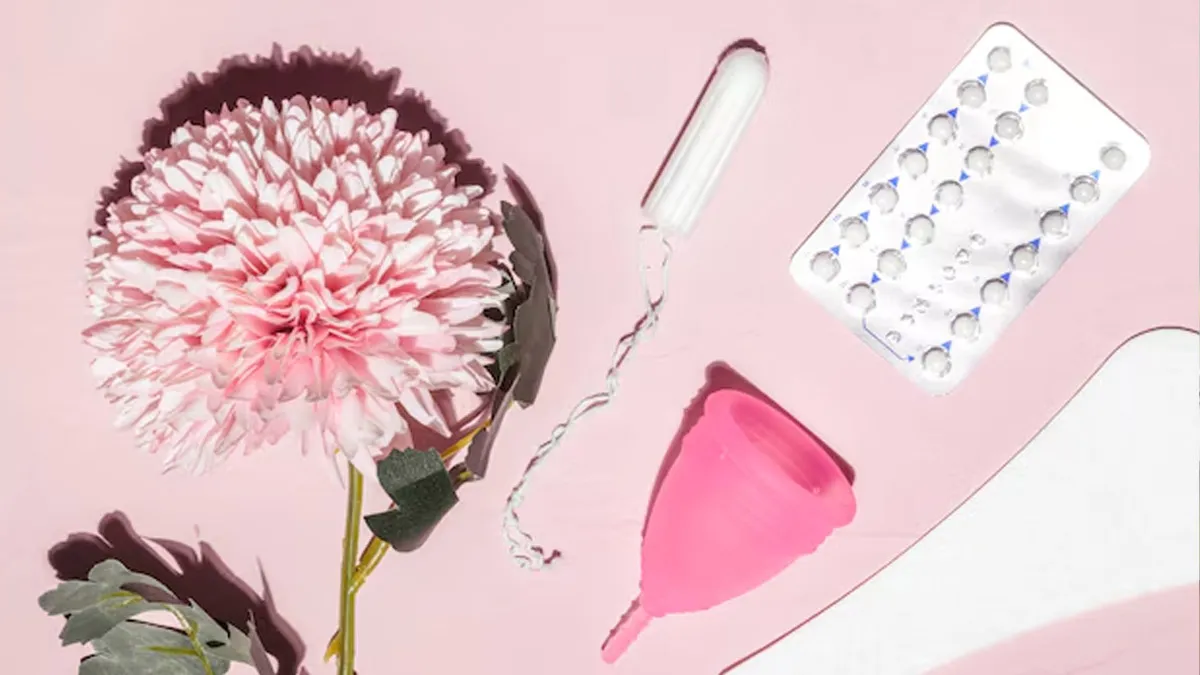
Tampons were invented in 1931 by Earl Haas. His inspiration came from a female friend, who used a sponge to absorb her menstrual blood. Tampons have greater absorption, and are convenient for use.
The menstrual cup was first patented by Hiram Farr on June 24, 1884. The first design of the cup looked completely different from its present form – it consisted of different components that went inside and outside the body. The component inside collected the period blood, while unscrewing the cap on the outside released all the collected blood.
ALSO READ- Menstrual Cups Vs Sanitary Napkins: Which One Is Better?
Conclusion
The journey from rag, clothes, heavy sanitary aprons, menstrual belts to ultra-thin pads is indeed a remarkable one. This major shift focuses on prioritising women's comfort, hygiene, as well as convenience. This, along with the parallel inventions of tampons and menstrual cups, women today have access to a variety of safe and highly absorbent menstrual products. This constant evolution not only changed menstrual care, but also gave women the confidence and freedom to navigate their daily lives with ease.
(Feature image source: UW Madison Libraries)
All possible measures have been taken to ensure accuracy, reliability, timeliness and authenticity of the information; however Onlymyhealth.com does not take any liability for the same. Using any information provided by the website is solely at the viewers’ discretion. In case of any medical exigencies/ persistent health issues, we advise you to seek a qualified medical practitioner before putting to use any advice/tips given by our team or any third party in form of answers/comments on the above mentioned website.

How we keep this article up to date:
We work with experts and keep a close eye on the latest in health and wellness. Whenever there is a new research or helpful information, we update our articles with accurate and useful advice.
-
Current Version
Aug 05, 2026 19:05 IST
Published By : Shruti Das