-1785936229056_m.webp)
Today, skincare is all about protecting the skin barrier, wearing sunscreen, and choosing products backed by clinical science. But centuries ago, high-status beauty standards often came with severe, hidden risks.
One of history’s most famous examples is the trend surrounding Venetian ceruse, a lead-based cosmetic paste popular among European aristocrats during the Renaissance. Frequently associated with Queen Elizabeth I and her iconic "Mask of Youth," this luxury cosmetic promised a smooth, porcelain-white complexion. In reality, modern science reveals that the compound carried significant dermatological and systemic health hazards.
What Was the 'Venetian Mask'?
According to Wikipedia, in 16th-century Europe, pale skin was the ultimate status symbol. It signalled that an individual was wealthy enough to avoid manual labour under the sun. To achieve this unblemished ideal, noblewomen and aristocrats turned to Venetian ceruse, often nicknamed the "Spirits of Saturn."
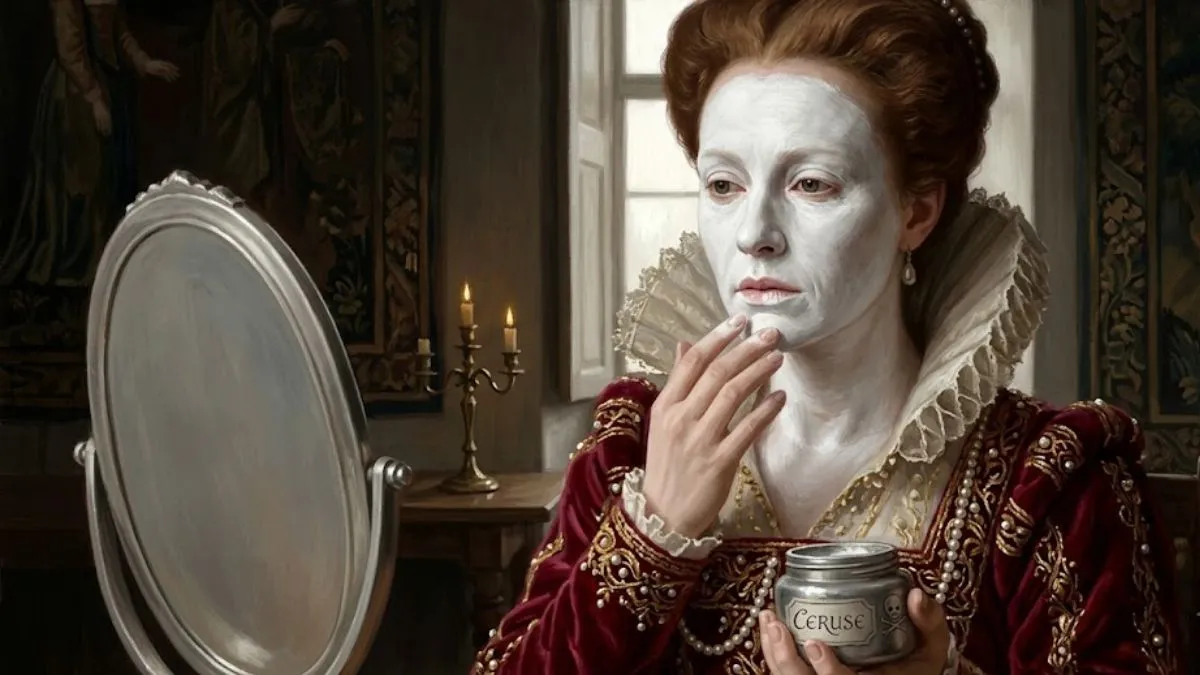 Venetian ceruse
image credit: gemini ai
The product created an opaque white finish, but its formulation relied on ingredients now recognised as hazardous:
- Basic Lead Carbonate: The primary white pigment that provided full opacity.
- Acetic Acid (Vinegar): Used to refine and dissolve the lead powder, converting it into soluble lead acetate.
- Cinnabar (Mercury Sulfide): Often layered over the white base as a bright red rouge for lips and cheeks.
Because applying and removing the thick paste was labour-intensive, users frequently left the makeup on their faces for days at a time.
Why Is Queen Elizabeth I Associated With It?
Queen Elizabeth I survived a severe case of smallpox in 1562, which left her with facial scarring. Historical accounts suggest she turned to heavy white cosmetics to conceal these marks and preserve an image of eternal youth, authority, and virginity, as per National Geographic.
However, historians caution that there is no conclusive evidence proving she used Venetian ceruse exclusively or continuously. Royal portraits from the period were heavily idealised, and royal household records do not definitively confirm the exact formulas used in her private chambers. Nevertheless, Elizabeth remains the enduring historical symbol of the era's lead-whitening trend.
ALSO READ- Would You Put Crocodile Dung on Your Face? Ancient Greeks Once Did This For Glowing Skin
How Did These Cosmetic Affect Skin Health?
One of the biggest ironies of Venetian ceruse was that it often harmed the skin it was meant to improve.
However, repeated application of lead-based cosmetics could:
- Dry out the skin
- Cause irritation and inflammation
- Trigger skin discolouration
- Damage the skin's surface over time
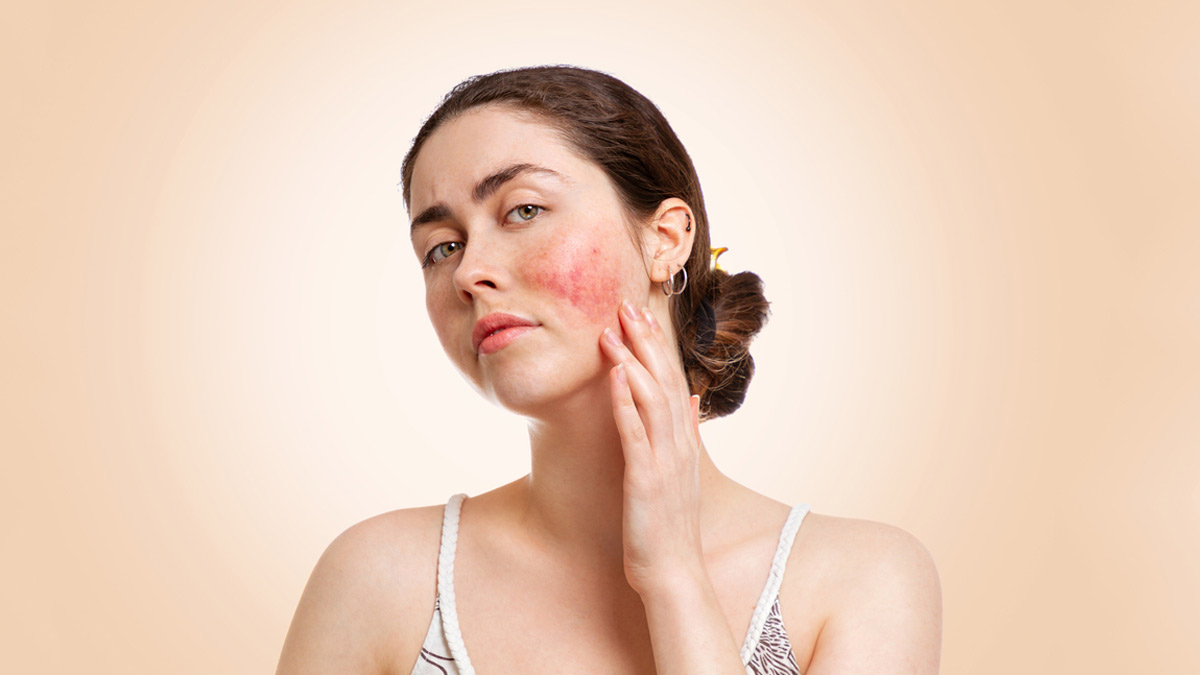
As the skin deteriorated, users frequently applied even more of the cosmetic to hide the damage, creating a cycle that only worsened the problem.
The Health Risks Went Beyond the Skin
As per the MDPI Cosmetics journal, lead is now recognised as a toxic heavy metal. Although the understanding of lead poisoning was limited during the Renaissance, modern research has shown that long-term exposure can affect multiple organs.
Chronic exposure has been linked to:
- Hair loss
- Tooth decay
- Fatigue
- Digestive problems
- Memory and concentration issues
- Tremors
- Neurological damage
- Kidney problems
Some historical accounts have suggested that prolonged exposure to lead cosmetics may have contributed to Queen Elizabeth I's declining health. However, there is no scientific evidence confirming lead poisoning as the cause of her death, and historians continue to debate this theory.
Beauty Standards Have Changed, but the Lesson Still Matters
The story of Venetian ceruse highlights a timeless issue: the pressure to meet unrealistic beauty standards.
Whether it was Renaissance royalty chasing flawless pale skin or modern consumers influenced by social media filters, the desire to look "perfect" can sometimes encourage risky choices. The difference today is that cosmetic ingredients are far more closely regulated in many countries, and consumers have access to scientific information about product safety.

That said, experts still advise checking ingredient lists, avoiding unverified skin-lightening products, and being cautious of products that promise dramatic overnight results.
What This Story Teaches Us Today
The fascination with Queen Elizabeth I's beauty routine is about more than royal history. It is a reminder that cosmetic trends are not always harmless and that appearance should never come at the expense of health.
The iconic white complexion that once represented power and elegance also serves as one of history's earliest examples of why beauty products should be judged not just by the results they promise, but by the ingredients they contain.
image credit: wikipedia
All possible measures have been taken to ensure accuracy, reliability, timeliness and authenticity of the information; however Onlymyhealth.com does not take any liability for the same. Using any information provided by the website is solely at the viewers’ discretion. In case of any medical exigencies/ persistent health issues, we advise you to seek a qualified medical practitioner before putting to use any advice/tips given by our team or any third party in form of answers/comments on the above mentioned website.

How we keep this article up to date:
We work with experts and keep a close eye on the latest in health and wellness. Whenever there is a new research or helpful information, we update our articles with accurate and useful advice.
-
Current Version
Aug 05, 2026 19:08 IST
Published By : Vivek Kumar