
After meals, the blood sugar level rises naturally because the body converts the carbohydrates into glucose. But high blood sugar spikes or high blood sugar levels over time may be a problem, especially for individuals with prediabetes or type 2 diabetes. A simple habit may help: post-meal walking; diet and medicine are equally important in the control of blood glucose.
The muscles will use some of the glucose in the blood even if the person walks for just a short time. But does a 10-minute walk make any difference and at what point should you begin walking? A doctor recommends getting up shortly after a meal to help prevent post-have spike in blood sugar.
How Does Walking After Meals Help Control Blood Sugar?
Prof Dr SM Fayaz, Lead and Senior Consultant, Internal Medicine, KIMS Hospitals, Mahadevapura says that the benefits of this simple activity is that it helps reduce post meal rise in blood sugars, but “only when combined with healthy eating and medicines, not in place of them.”
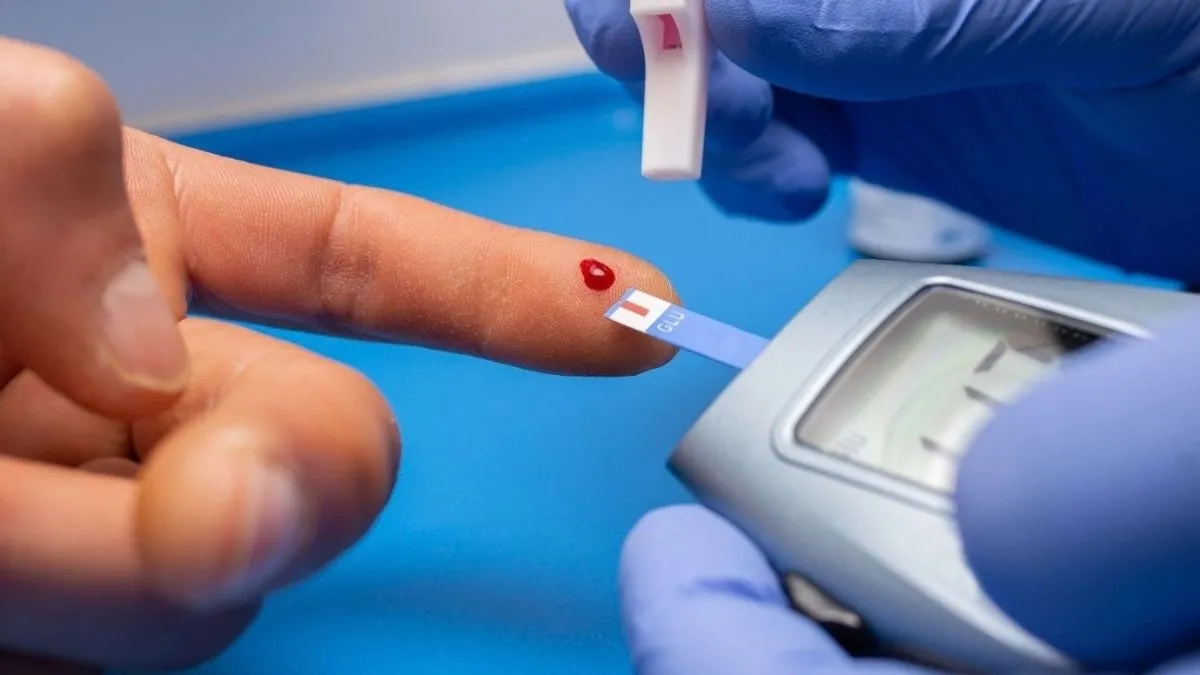
Carbohydrates are broken down into glucose in your digestive system when you eat food containing carbohydrates. This is absorbed into the blood stream which raises blood sugar. Insulin is secreted by the pancreas, enabling cells to take up glucose from the blood to use for energy or store for later.
The muscles in your legs and other parts of your body are engaged while walking. These muscles use energy to move, which means that they absorb glucose from the bloodstream. Muscle movement can help to induce glucose uptake by other mechanisms in addition to 100% insulin dependence.
This may be especially important for individuals who are insulin resistant. The muscles get a chance to use some of the glucose being released after the meal as soon as it's available, a short walk away.
Is A 10-Minute Walk After Every Meal Enough?
10 minutes walking is a good place to start. It doesn't have to be fast or difficult. By walking at a comfortable pace, the muscles can use the sugar without straining the body after eating.
Prof Dr SM Fayaz notes that even a short and simple walk after eating can help to alleviate the increase in blood sugar after meals. The goal is to establish a habit of moving, not a habit of exercising after meals.

Here is how you can build the habit:
- Start soon after eating: Try walking within around 30 minutes of finishing your meal. Research suggests that exercising sooner after eating may offer greater benefits.
- Walk for 10 minutes: Begin with a comfortable pace and increase the duration if it feels manageable.
- Avoid sitting immediately: If you cannot go outdoors, walk around your home or workplace.
- Start small: Even a few minutes of light movement may be better than remaining seated for a long time.
You do not have to complete all your daily physical activity through these short walks. They can complement your regular exercise routine.
ALSO READ- Walking Slowly? Your Pace Could Be Revealing More About Your Health Than You Think
What Does Research Say About Walking After Eating?
Research suggests that the timing of physical activity matters when it comes to managing post-meal blood sugar.
A 2023 review in Sports Medicine examined eight randomised crossover trials involving 116 participants. This included 47 people who had type 2 diabetes. The scientists discovered that physical activity following a meal lowered post-meal increases in blood sugar, relative to those induced by resting or exercising prior to a meal.
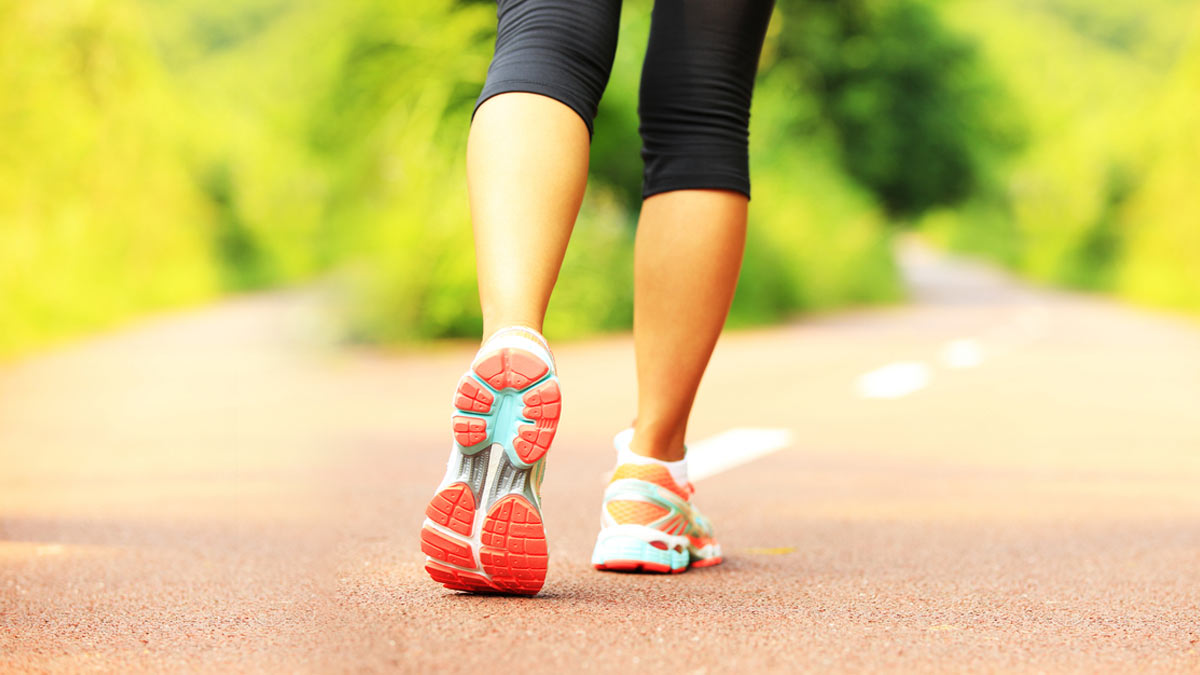
The review also revealed that the more immediate the exercise was after the meal, the more positive an impact on post-meal glucose levels. The sample size of the trials, however, was relatively low and they were also prone to high risk of bias. The results indicate that this has short-term benefits, however, it doesn't prove a long-term effect on diabetes risk or complications.
Who May Benefit From Walking After Meals?
For some groups, a short walk after meal time can be helpful, such as:
- Individuals who have type 2 diabetes, and wish to control the glucose or blood sugar level after eating.
- People with prediabetes who are working on improving their blood sugar control.
- People who have a family history of type 2 diabetes.
- Those who work for extended periods of time sitting at a desk.
- People with a tendency to eat a lot of carbohydrates.
But the answer depends on the meal, activity level, medication & person's health. Walking will not offset the impact of a high-sugar or unbalanced diet.
Are There Any Precautions To Keep In Mind?
Some individuals who use insulin or certain glucose-lowering drugs may get low blood sugar while or after exercise. They should talk to their health care provider about a good walking program and follow the program their provider suggests for glucose monitoring.
People with heart problems, mobility or other health problems should also consult their doctor before altering their level of activity. If it hurts to walk briskly after eating a big meal, then you should avoid it altogether. Begin with gentle and stop if dizzy, sweating, shakiness, breathlessness or chest pain. If you have symptoms that you are concerned about, get medical help.
Walking should complement and not be an alternative to healthy eating or required treatment, as Prof Dr SM Fayaz stresses.
What Else Can Help Prevent Blood Sugar Spikes After Meals?
Walking is most effective when used in conjunction with other blood sugar management strategies. Some simple practices can make a difference:
- Eat fibre foods: Add vegetables, pulses, whole grains and other fibre foods to your meals.
- Fill up on the sides: Make sure your plate is full of healthy fats and protein, but doesn't become a full plate of carbohydrates.
- Keep an eye on serving sizes: Serving sizes may affect blood sugar levels.
- Move around throughout the day: Limit sitting for extended periods of time.
- Follow the treatment plan – take the prescribed medications and have regular health checks.
ALSO READ- Diabetes is Not Just About High Blood Sugar: 10 Health Conditions Commonly Linked to Diabetes
Conclusion
10 minutes of walking after meals may help lower the blood sugar spike, as the walking stimulates the use of glucose by the muscles. There are studies that show that moderate exercise does help after meals, especially immediately after eating. It's a little habit to consider, particularly for those who have prediabetes or type 2 diabetes.
It's not a replacement for medicine, healthy eating or daily physical activity though. Prof Dr SM Fayaz recommends it to be used as a component of a comprehensive blood sugar control management strategy.
FAQ
1. Is it better to walk before or after eating to control blood sugar?
Walking after eating may be more effective at reducing the immediate rise in blood sugar. Research suggests that starting activity soon after a meal can help limit post-meal glucose excursions.2. Can walking after meals replace diabetes medication?
No. Walking can support blood sugar management, but it cannot replace prescribed diabetes medication. People with diabetes should continue their treatment and consult their doctor before making changes.
All possible measures have been taken to ensure accuracy, reliability, timeliness and authenticity of the information; however Onlymyhealth.com does not take any liability for the same. Using any information provided by the website is solely at the viewers’ discretion. In case of any medical exigencies/ persistent health issues, we advise you to seek a qualified medical practitioner before putting to use any advice/tips given by our team or any third party in form of answers/comments on the above mentioned website.
How we keep this article up to date:
We work with experts and keep a close eye on the latest in health and wellness. Whenever there is a new research or helpful information, we update our articles with accurate and useful advice.
-
Current Version
Nov 12, 2026 13:24 IST
Published By : Vivek Kumar
Reviewed By : Prof Dr S M Fayaz