
In today’s fast-paced lifestyle, with social media influencing all sorts of trends, including diets, skipping meals, as well as intermittent fasting, have become a popular mean of losing weight and following clean eating. Though these are marketed as effective ways to remove kilos and boost metabolism, acting on these without medical advice can be harming one’s body silently.
In an exclusive interaction with the editorial team of Onlymyhealth, Dr Pooja Pillai, Consultant – Internal Medicine, Aster CMI Hospital, Bangalore, explained that intermittent fasting or skipping meals can carry certain hidden health consequences that most people ignore.
"Skipping meals and intermittent fasting without the right guidance can have hidden health consequences. People skip meals to lose weight or skip meals as their schedule is very tight, but the body needs nutrition on a regular basis to work properly," she added. Read ahead ti know everything she shared with us.
What Happens When You Skip Meals?
The body loves regularity, and when meals are missed, frequently, blood sugar levels drop, resulting in dizziness, weakness, trembling, and an inability to concentrate. These symptoms occur because our bodies do not function on an erratic rhythm.
Eating irregularly can also impair metabolism. Although many people think that by skipping meals, their fat will burn faster, doctors claim that, in most cases, the contrary can happen. If the metabolism rate slows down, it can be difficult to lose weight in the future, and the body can furthermore store fat instead of turning it into energy.
ALSO READ- Sleep Deprivation Is the New Smoking: Doctors Warn of Long-Term Damage
 0
0
It may also involve overeating towards the latter part of the day, and lead to an increased appetite causing people to consume more food or indulge in high calorie or sugary substances, thus putting them at risk of gaining weight.
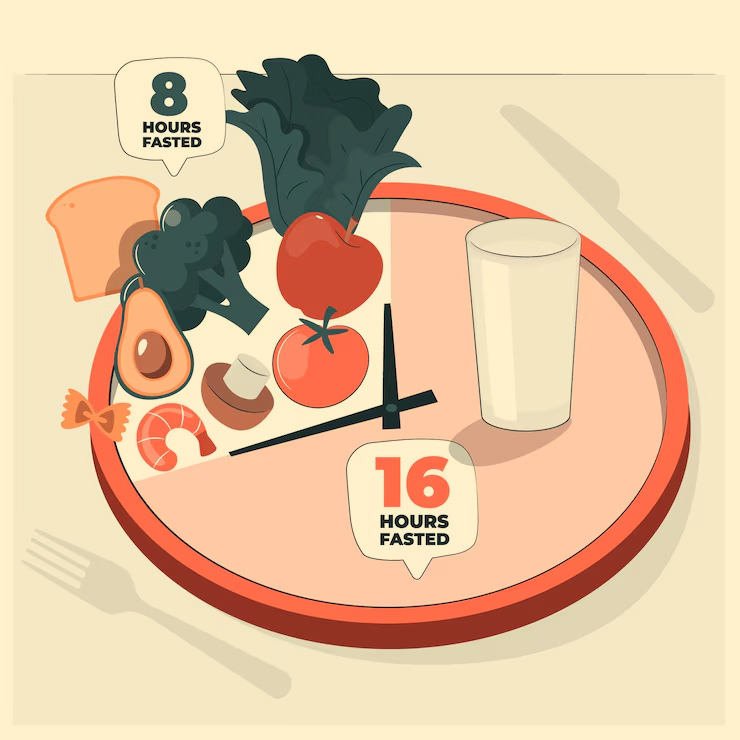
Hidden Dangers in Intermittent Fasting (IF)
If intermittent fasting is done incorrectly, it can cause digestion issues as well. If there are very long periods without food intake, it can cause acidity, nausea, bloating, and discomfort in people who have digestion issues or who are more sensitive in this aspect of their health. Headaches, irritability, feeling unenergised, and an inability to focus are other commonly experienced issues.
Dr Pillai also highlighted that frequent fasting can disrupt hormone levels, especially in women. As she said, “It can impact menstrual functioning, fertility, and overall hormonal well-being. This happens because the body sends stress signals due to a deficit of proper nutrient intake.”
People with pre-existing health conditions are at even greater risk. Those with diabetes, thyroid disorders, or blood pressure issues may experience dangerous fluctuations in blood sugar or blood pressure if they fast without medical advice.
ALSO READ- Holiday Eating With Diabetes: 6 Golden Rules to Follow To Avoid Sugar Spike
 1
1
Link Between IF Muscle Loss, Nutrition Deficiency, and Stress
One lesser-known effect of skipping meals is muscle loss. As the body is not provided with adequate fuel, it can begin to decompose its own muscles, which can have implications for one’s fitness levels.
Poor nutritional intake can also be an issue. Going without meals means the lack of necessary vitamin and mineral intakes, which can cause deficiencies over time. This can manifest in the form of weakness in the body, hair loss, immune deficiency, or skin problems.
Dr Pillai also noted that irregular eating times influence sleeping quality as well as stress levels. “The stress of a hungry body due to lack of sleep, leads to poor quality of foods, creating a vicious cycle of fatigue and poor eating choices.
Who Should Avoid Fasting?
Intermittent fasting is not for all people. For instance, children, pregnant or breastfeeding mothers, senior citizens, as well as those who are ill, are advised not to follow a restrictive eating regimen. It is essential for fasting to be adapted according to one’s age, health status, and living patterns, not merely imitated from a trend.
Dr Pillai recommended to have a balanced diet at regular times to help maintain energy and digestive and hormonal functions. “Adding protein, fibre, and fats to meals helps to reduce hunger and the spiking of insulin levels that may occur.”
Bottomline
Skipping meals and poorly planned intermittent fasting can harm metabolism, hormones, digestion, and overall health. Experts recommend that regular, balanced eating is often the safer and more sustainable choice.
FAQ
1. Is intermittent fasting bad for everyone?
No, but it is not suitable for everyone. It should be planned based on individual health, age, and medical conditions.2. Does intermittent fasting impact your metabolism?
Yes. Skipping meals too often can trigger the body to save energy. This will slow down the metabolism.3. What is a healthier alternative to skipping meals?
Eating balanced meals with protein, fibre, and healthy fats at regular intervals supports steady energy and better overall health.
All possible measures have been taken to ensure accuracy, reliability, timeliness and authenticity of the information; however Onlymyhealth.com does not take any liability for the same. Using any information provided by the website is solely at the viewers’ discretion. In case of any medical exigencies/ persistent health issues, we advise you to seek a qualified medical practitioner before putting to use any advice/tips given by our team or any third party in form of answers/comments on the above mentioned website.
How we keep this article up to date:
We work with experts and keep a close eye on the latest in health and wellness. Whenever there is a new research or helpful information, we update our articles with accurate and useful advice.
-
Current Version
Dec 27, 2025 20:30 IST
Modified By : Tanya Srivastava Dec 27, 2025 20:30 IST
Modified By : Tanya SrivastavaDec 27, 2025 20:30 IST
Published By : Tanya Srivastava
Reviewed By : Dr. Pooja Pillai