
If the air conditioner is on and everyone else is cool, it can be uncomfortable to feel hot. This hot flash could be associated with hormonal shifts in perimenopause or menopause for some women. World Menopause Day, observed on 18 October, offers an opportunity to understand these often-overlooked symptoms and when they need attention.
If they last for a few hours and you are also sweating and notice a change in your menstrual cycle, it may be a menopause-related hot flush, but this is by no means a definitive symptom. Understanding what to expect can aid women in their decision to seek medical advice.
Can Feeling Hot In An Air-Conditioned Room Be A Sign Of Menopause?
Yes. If you feel hot, even in a cool room, it may be a hot flush, also known as a hot flash, which can occur as part of menopause.
Dr Lavanya Kiran, Director and Lead Consultant, Obstetrics, Gynaecology, KIMS Hospitals, Electronic City, Bengaluru explains, “A sudden sense of heat, especially on the face, neck and chest, when the room is not hot, may be a hot flush that's associated with perimenopause or menopause.”

Dr Veena Devi, Consultant Gynaecologist, Happiest Health Clinics, Bangalore agrees, noting that "When a woman feels uncomfortable being warm in a cool air-conditioned room, this can be an early sign of the menopausal transition."
Episodes can be brief (several minutes) and occur at varying rates and intensity. Some women get them from time to time, while others may suffer from them multiple times which disrupt their sleep, work and daily functioning.
But it's not enough for a person to feel hot to be diagnosed as menopausal. A woman's age, menstrual history, other symptoms and her medical history are all important.
ALSO READ- Why Are Your Periods Suddenly Heavier After 40? Doctor Explains What It Could Mean
Why Do Menopause-Related Hot Flushes Happen?
The body continuously regulates its temperature to maintain a comfortable temperature. In perimenopause, oestrogen levels start to change and wane over time. These hormonal shifts can have a specific impact on the temperature-regulating system of the brain, leading it to be much more susceptible to minor changes in body temperature.
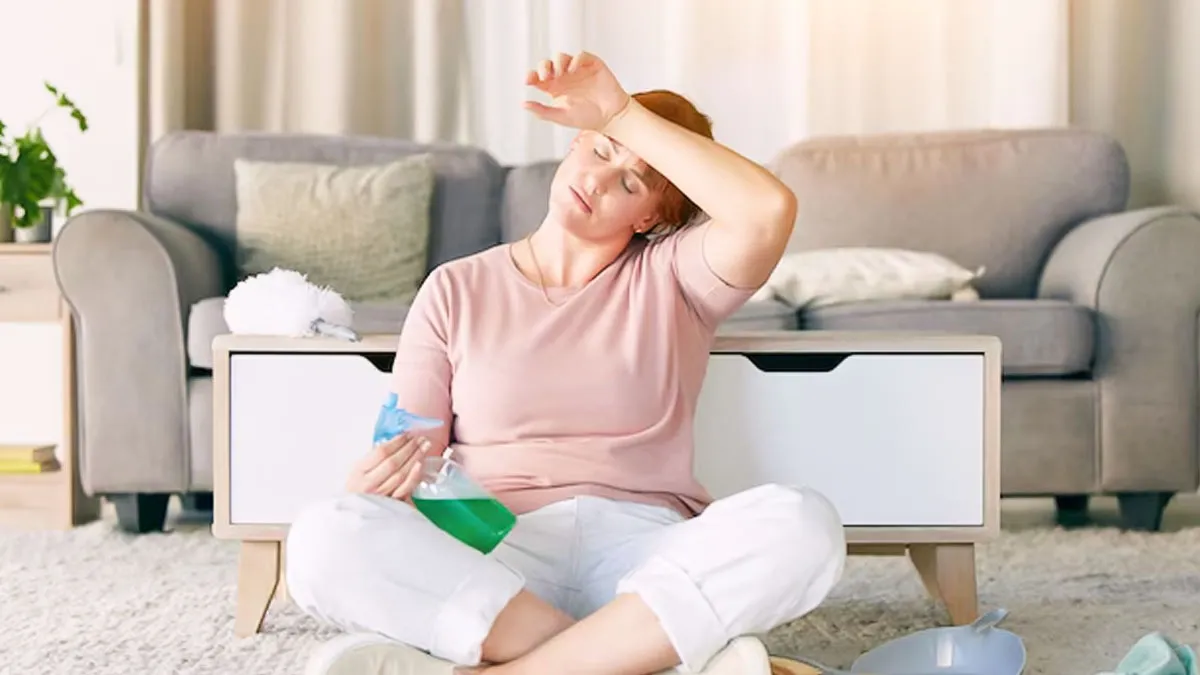
Explaining the underlying mechanism, Dr Devi points out: "Declining estrogen levels cause a temporary dysfunction in the hypothalamus, our body’s thermostat. The heat sensation or hot flashes result from sudden widening of blood vessels and blood flow to the skin. Sweating often follows, causing rapid heat loss and a decrease in core body temperature. Chills may then occur as a normal mechanism to reset the temperature to normal. Together these are called vasomotor symptoms. They can occur several times during the day and night."
This can cause the body to respond to heat loss (by dilating blood vessels close to the skin and sweating) even if the room temperature is low. A 2025 review published in the journal Temperature examined the relationship between menopause and temperature regulation. It explores the interaction between the declining levels of oestrogen and pathways in the brain that regulate body temperature. The study also examined the effect that the hypothalamus and specific nerve cells, which stimulate hot flushes, have.
These results help to understand why a woman's body temperature can rise even if the temperature of the surrounding environment does not. But scientists are still conducting studies on the exact cause of these occurrences.
What Other Symptoms Can Occur Alongside Hot Flushes?
Other physical and emotional changes can occur during perimenopause, along with hot flushes. It's more helpful to see the bigger picture than to consider body heat alone.
Possible symptoms include:
- Sweating at night - disrupting sleep.
- Periods that are irregular, lighter or heavier.
- Changes in mood, irritability or anxiety.
- Difficulty concentrating or remembering things.
- Dryness or pain during sex.
- Trouble falling asleep or staying asleep.
“One of the initial symptoms of perimenopause is a change in menstrual pattern,” says Dr Kiran. Menopause occurs when a woman hasn't had a period for 12 months, unless there is any other cause. It can kick in several years before, and may be accompanied by a transition period known as perimenopause.
Not all women have the same symptoms. Others experience hot flushes regularly, others see their periods change or may sleep first.
Does Feeling Hot In A Cool Room Always Mean Menopause?
No, there are a number of other things that can make a woman feel hot and humid, even in an air-conditioned room.
These include:
- An overactive thyroid can lead to such symptoms as heat intolerance, sweating, rapid heart rate and loss of weight.
- Sweating, flushing and a rapid heartbeat may be caused by anxiety or stress.
- Fever or infection: may be hot, chills, or sweating due to a fever.
- Medicines: Certain medicines can have an impact on sweating and/or temperature control.
- Changes in blood sugar: Low blood sugar may lead to sweating and shivering and palpitations, especially in those who are using diabetes drugs.
- Other foods can also cause symptoms in some women, including caffeine, alcohol or spicy food. The food that triggers symptoms varies from woman to woman.
A 2023 clinical review in The BMJ examined the assessment and management of perimenopausal and menopausal symptoms. It emphasized the need for people to be mindful of symptoms, to take other factors into account and to select treatment based on the needs of the person.

To clear up common concerns, Dr Devi explains, "Is it a worrying sign? In the main, no, it is a normal physiological process that affects up to 80% of women.”
Similarly, Dr Kiran recommends that if someone feels hot it is not enough to conclude that they are in the menopause phase. The length of a time, how often it happens and the symptoms involved can help a clinician make a decision as to what they should investigate.
How Can Women Manage Menopause-Related Hot Flushes?
If the episodes are mild, a few practical changes may improve comfort. Women can try:
- Lightweight clothing that can be easily removed.
- Maintaining air temperature in the bedroom, using a fan as necessary.
- When on the go, carrying a small fan or water bottle.
- Keeping a record of episodes in a diary (when and what may have triggered them).
- Keeping a regular sleep schedule and engaging in regular physical activity.
- Caffeine, alcohol or spicy foods may be causing symptoms, try to cut back. But you don't have to steer clear of them all for no good reason.
If hot flushes occur regularly, they disrupt sleep, work or everyday life, women should consult their gynaecologist.
A 2022 statement from The North American Menopause Society reviewed evidence on hormone therapy. It found hormone therapy to be the most successful treatment for hot flushes and night sweats that cause bother during menopause. Treatment options are also discussed in light of the woman's age, her medical history and her personal risks and preferences.
When Should A Woman Seek Medical Advice?
If the hot flushes are persistent, unexplained or disruptive, especially if they also occur with changes in menstruation, women should always discuss this with their healthcare professional. Assessment is also important if symptoms start to occur before age 45 or if accompanied by signs which indicate a thyroid problem or infection or another condition.
Dr Veena Devi points out the greater health risks: "Hot flashes are also associated with cardiovascular risk and increased bone loss therefore, preventive health checks are needed for women in midlife".
Get emergency medical help if feeling hot is accompanied by chest pain, very short of breath, fainting or confusion. It is important to remember that these symptoms do not necessarily mean menopause.
ALSO READ- Early Periods, Early Menopause? A Gynaecologist Explains the Link
Conclusion
The key is to look at the pattern rather than one symptom in isolation. Feeling hot in an air-conditioned room can be a sign of perimenopause, but a proper assessment helps establish whether hormonal changes or another health issue is responsible.
FAQ
Can menopause-related hot flushes happen even when you are sitting still?
Yes. Hot flushes may happen when resting, sleeping or during a normal activity. Does not have to be exercised or a warm environment. They can be at different times and different frequencies.Is menopause hot flushes possible after the periods have stopped?
Yes. For some women, the hot flushes may last for years after their last period. It will last for a few days and may be severe; symptoms that last for the long term can be discussed with a health care provider for options.
All possible measures have been taken to ensure accuracy, reliability, timeliness and authenticity of the information; however Onlymyhealth.com does not take any liability for the same. Using any information provided by the website is solely at the viewers’ discretion. In case of any medical exigencies/ persistent health issues, we advise you to seek a qualified medical practitioner before putting to use any advice/tips given by our team or any third party in form of answers/comments on the above mentioned website.
How we keep this article up to date:
We work with experts and keep a close eye on the latest in health and wellness. Whenever there is a new research or helpful information, we update our articles with accurate and useful advice.
-
Current Version
Oct 17, 2026 09:56 IST
Published By : Vivek Kumar
Reviewed By : Dr Lavanya Kiran