Peanut allergy is one of the most common and potentially serious food allergies in children. That is why, for many pregnant women, it is not surprising that they wonder and ask if peanut consumption during pregnancy can lead to peanut allergy in the infant. A lot of conflicting advice is available out there, and you know how to worry. However, it's helpful to listen to an expert before beginning to look at labels on all food items. It could be more comforting than you think.
Does Eating Peanuts During Pregnancy Directly Cause Peanut Allergy In Babies?
This is probably the most common concern, and the good news is that the answer is a clear no. Dr Anuradha Kumari, Consultant Obs & Gyn at Cloudnine Group of Hospitals, Greater Noida, shares, "To answer that, it's a strict NO. A mother eating peanuts during pregnancy or in lactation doesn't directly cause any peanut allergy in the child."
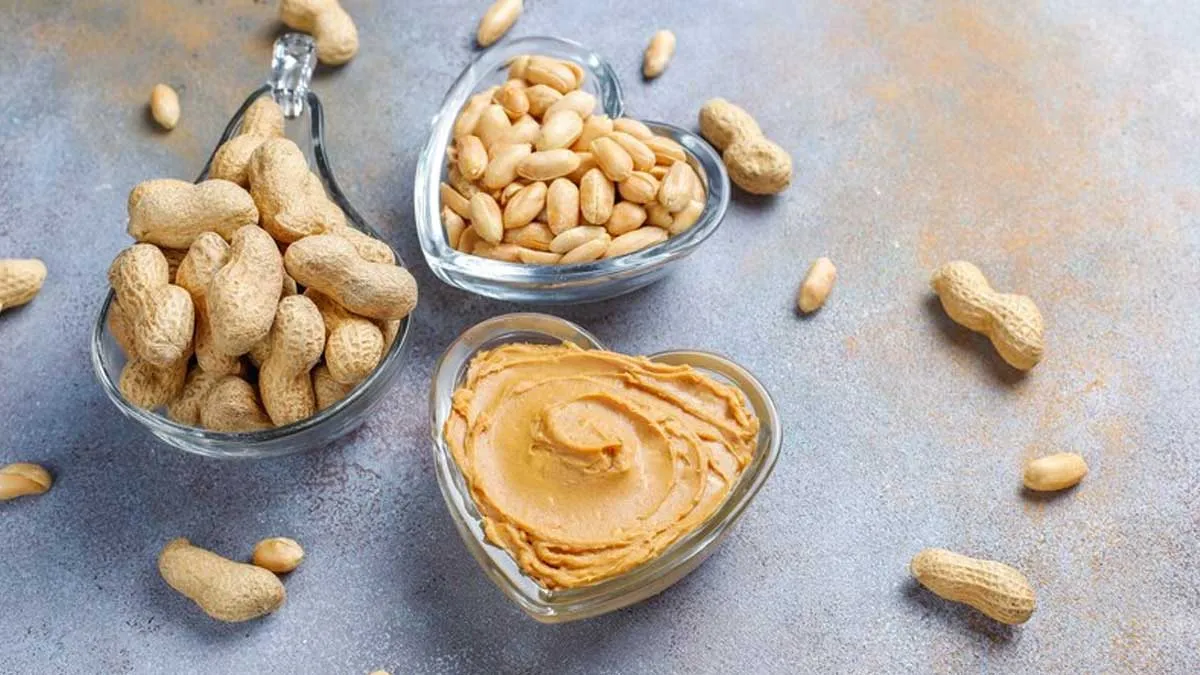
So if you've been avoiding peanut butter out of fear, there's no medical basis for that. Eating peanuts while pregnant does not cause your baby to develop a peanut allergy.
-1783597454766.jpg)
A 2021 Longwood University research study found that when a non-allergic pregnant woman eats peanuts, it may actually reduce the child's risk of developing a peanut allergy. The placenta can pass antibodies from mother to baby, and peanut intake may help build early tolerance. Two out of three reviewed studies supported this finding, suggesting that avoiding peanuts during pregnancy may not be necessary and could even be counterproductive.
ALSO READ- Pregnancy Diet: What Should First-Time Pregnant Women Eat, A Dietitian Explains
Then What Actually Causes Peanut Allergy In Babies?
The actual causes are other and are primarily genetically determined and related to the baby's immune system. There can be several reasons for this. Dr Kumari says, "It might be a genetic predisposition or if there's a history of peanut allergy in the sibling or parents, or it may be an immune system problem whereby the baby's body thinks peanut protein is a threat, and starts producing IgE antibodies against it. This is what it shows as an allergic reaction.”
To put it simply, even when the mother eats something that causes an allergy, the baby could already be allergic.
Factors that increase a baby's risk of peanut allergy include:
- A family history of peanut allergy in parents or siblings
- A history of any other allergies, such as hay fever, asthma, or food allergies
- Skin conditions like eczema develop in early infancy
- Egg allergy in the baby
Dr Kumari puts the numbers into perspective: "If there is no family history, the risk of peanut allergy is minimal, like 1 to 2%. But if parents or siblings have any allergic or peanut allergy history, then the chances are significantly higher."
ALSO READ- How To Manage Food And Other Allergies During Pregnancy?
When Does Peanut Allergy Actually Show Up In A Baby?
This is another thing that surprises many parents. A newborn isn't born allergic to peanuts in a visible sense. The allergy only becomes apparent once the baby is actually exposed to peanut products. Dr Kumari clarifies, "A baby at the time of birth is not allergic to peanuts, as it will manifest only when the baby has consumed peanut products, which happens mostly after 6 months of life."
So the allergy doesn't appear at birth. It shows up later, when peanuts are introduced into the baby's diet.
Can Peanut Allergy In Babies Be Prevented?
Honestly, there's no guaranteed way to prevent it. But there are some steps that can help reduce the risk. Dr Kumari advises, "There is no guaranteed way to prevent peanut allergy in a child. But we can eat a healthy, balanced diet during pregnancy to support our immune system. There is no need to avoid peanuts, as they are not associated with any allergy in the child."
Interestingly, early introduction of peanut products may actually help in some cases. She explains, "If the baby develops eczema later on, then there can be early introduction of peanut products by the age of 4 to 6 months during infancy, in a gradual sensitised dose, to desensitise the child to this allergic reaction."
Children at the highest risk, those with eczema or egg allergy, may especially benefit from this early and carefully managed introduction under medical guidance.
Does Peanut Allergy In Children Go Away With Age?
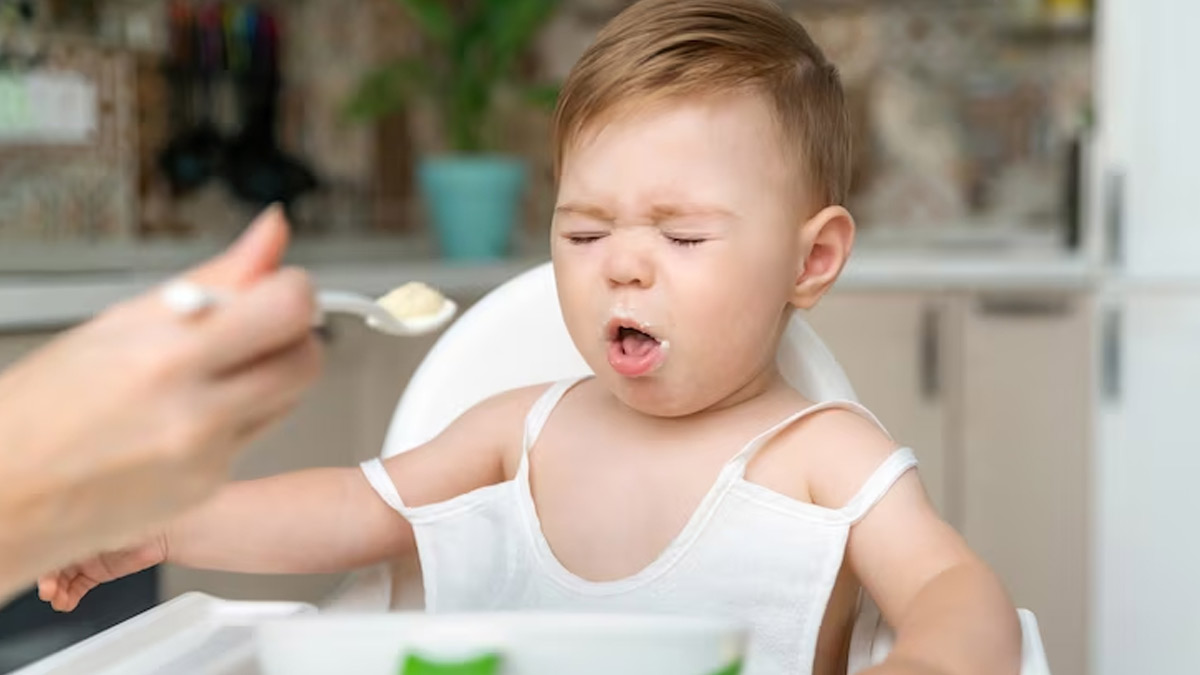
Some children do outgrow it, but not all. Dr Kumari shares the reality, "20% of children outgrow this allergic reaction by the time they are adolescents. But 80% of them continue to have it till adulthood."
This means that for the majority of children with peanut allergy, it stays with them long-term. However, there is hope in newer treatments. "Some new treatment modalities have come where oral immunotherapy can reduce the risk of severe reaction in accidental exposure to peanut," Dr Kumari adds.
Should Pregnant Women Avoid Peanuts?
No, not unless they themselves are allergic. Peanuts are actually a good source of protein, healthy fats, and folate, all of which support a healthy pregnancy. Avoiding them without a genuine medical reason isn't necessary and may mean missing out on useful nutrients.
ALSO READ- Are Eggs Safe During Pregnancy? How Many to Eat and Who Should Avoid Them
Conclusion
At the end of the day, peanuts aren't the enemy here. Genetics, family history, and the baby's own immune system play a far bigger role in peanut allergy than anything the mother eats during pregnancy.
So there's no need to skip peanut butter out of fear. In fact, eating peanuts while pregnant might even help. If you're worried about your baby's risk, especially with a family history of allergies or eczema, the best move is simply to talk to your paediatrician about early, safe introduction.
FAQ
1. Is it safe to eat peanuts during pregnancy?
Yes, it's safe for most women. Pregnant women can safely eat peanuts while they are pregnant, and the peanut allergy is not passed on to the child. However, there is no reason to avoid peanuts if you are not personally allergic to them during pregnancy.2. How do I know if my baby is at high risk of peanut allergy?
Your baby is more likely to be allergic if his parents or siblings have a history of peanut allergy, other food allergy, hay fever, eczema or asthma. Infants who develop eczema or egg allergy during the first few months of life are also at high risk. Talk to your child's doctor for individual advice.
All possible measures have been taken to ensure accuracy, reliability, timeliness and authenticity of the information; however Onlymyhealth.com does not take any liability for the same. Using any information provided by the website is solely at the viewers’ discretion. In case of any medical exigencies/ persistent health issues, we advise you to seek a qualified medical practitioner before putting to use any advice/tips given by our team or any third party in form of answers/comments on the above mentioned website.

How we keep this article up to date:
We work with experts and keep a close eye on the latest in health and wellness. Whenever there is a new research or helpful information, we update our articles with accurate and useful advice.
-
Current Version
Jul 30, 2026 17:59 IST
Modified By : Vivek Kumar Jul 30, 2026 17:59 IST
Published By : Vivek Kumar
Reviewed By : Dr Anuradha Kumari