Pregnancy changes a woman’s body in many ways. To keep up with these changes, women need to amp up their diet and make sure they are getting enough nutrients, protein and minerals. But they are often confused regarding what to eat and what not to eat, as there are so many dietary myths related to pregnancy. One such myth is that eating ghee during the 9th month can help with normal delivery. Is this a wrong belief or reality?
To understand this better, we reached out to our expert, Dr Latika Singh, Consultant Gynaecologist and Obstetrician at Cloudnine Group of Hospitals, Pari Chowk, Greater Noida.
Does Eating Ghee Help in 'Normal' Delivery?
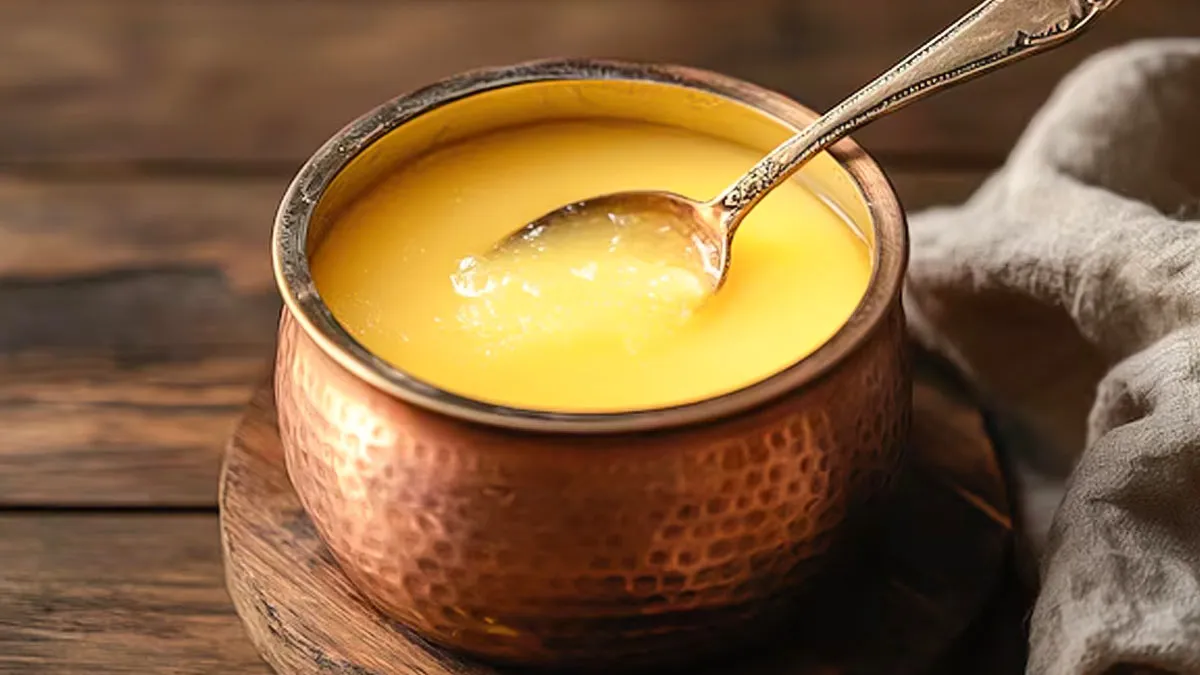
Dr Singh says that many mothers are told to drink ghee during the ninth month of pregnancy by adding it to a cup of warm water.
Shedding light on this, the expert says, “The belief that consuming ghee during the final trimester of pregnancy can help with normal delivery is a myth. It is a very popular notion, particularly in Indian households, but it completely lacks evidence or scientific reasoning. It is also believed that ghee helps to lubricate the vagina, which can aid in smooth delivery of the baby. There is no evidence to back this belief as well.”
Is Ghee Good or Bad During Pregnancy?
Dr Singh says that pregnant women can consume ghee. But what is the recommended quantity? Answering this, the expert says, “Daily suggested portion of ghee to consume during pregnancy is: 1 to 2 teaspoons in cooking across all three trimesters. One teaspoon adds about 44 kcal to a meal.”
She further explains, “If expectant mothers are following a well-balanced diet full of vitamins, minerals and carbohydrates, fruits, vegetables as well as healthy compounds, then there is no special need to add ghee on your daily diet. This is because consuming a lot of fatty food can cause weight gain and complicate your pregnancy. The more weight you gain, the more difficult it will be to lose them. Shedding fats accumulated in pregnancy can be more difficult, if you have consumed too much fats. Obesity can affect your chances of having a smooth labour and delivery.”
Dr Singh shares that consuming high amounts of ghee during pregnancy, without burning them off with workout or physical activities, can cause storage of more fat in the abdominal area. “This can lead to problems in case of C-sections as well. Therefore, it can be safely said that there is no nutritional reason to add more ghee in the diet during the third trimester. The 1 to 2 teaspoon daily cooking amount should stay the same throughout pregnancy.”
Dietary Tips That Can Aid Normal Delivery
On this note, Dr Singh shares some dietary tips for normal delivery:
Focus on getting enough protein from these Indian food sources such as:
Paneer
Chana/chickpeas
Dal (moong, masoor, toor)
Eggs
Curd/dahi
Ragi
Focus on adding iron-rich foods in diet such as:
Jaggery + sesame seeds (traditional and iron-rich)
Green leafy vegetables, spinach, methi, moringa leaves
Beetroot
Pomegranate
Take prescribed iron supplements with vitamin C (lime juice) for better absorption
Stay Hydrated: Dehydration during labour can raise fatigue and can slow contractions. Therefore, it is important to drink 2.5-3 litres of water daily in the third trimester. Keep yourself hydrated by adding coconut water, buttermilk, and rasam in your diet.
Why Dietary Habits During Pregnancy Matter
A 2016 study, published in the Nutrients journal, states that the food a mother eats during pregnancy directly shapes not only her own well-being but also the long-term development and health of her child. The study highlights that following a balanced eating pattern, specifically the Mediterranean diet, is the most effective way to support a healthy pregnancy.
The research notes that expectant mothers do need slightly more energy to support the growing baby. But is the old saying that they must ‘eat for two’ true? The study says that it is a widespread myth. In fact, gaining too much or too little weight during pregnancy can cause medical complications. This makes it important to monitor weight gain based on a woman's pre-pregnancy size.
The study also focuses on the fact that specific nutrients become absolutely critical, such as folic acid. This is because it is necessary to prevent serious birth defects in the baby's brain and spine. Pregnant women also need extra iron, calcium, and iodine. Doctors often prescribe specialised prenatal supplements to meet these dietary needs.

Moreover, consuming omega-3 fatty acids, which are often found in low-mercury fish, is highly recommended to boost the baby's developing brain and vision. Expectant mothers must completely avoid alcohol and also limit caffeine. These substances can easily cross the placenta and harm the foetus.
To steer clear of dangerous foodborne infections, women are advised to steer clear of raw meats, unpasteurised dairy, and unwashed produce. To conclude, establishing healthy dietary habits during this crucial nine-month window can form a strong nutritional foundation that is important for the health of both mother and child.
ALSO READ- What Causes Skin Patches During Pregnancy? Expert Weighs In
Conclusion
Unlike what the popular myth states, ghee cannot help with normal delivery. It can be a healthy addition to a pregnant woman’s diet. However, they must be cautious of the quantity, because too much of it may lead to weight gain and related pregnancy complications. To ensure a smooth delivery, focus must be on a balanced diet and hydration.
FAQ
Can you eat ghee daily during pregnancy?
Yes, you can eat ghee daily during pregnancy in moderation.Can you put ghee in your navel during pregnancy?
Applying pure desi ghee to the navel is generally safe as a traditional topical practice, but it offers no proven medical benefits or internal effects during pregnancy.
All possible measures have been taken to ensure accuracy, reliability, timeliness and authenticity of the information; however Onlymyhealth.com does not take any liability for the same. Using any information provided by the website is solely at the viewers’ discretion. In case of any medical exigencies/ persistent health issues, we advise you to seek a qualified medical practitioner before putting to use any advice/tips given by our team or any third party in form of answers/comments on the above mentioned website.

How we keep this article up to date:
We work with experts and keep a close eye on the latest in health and wellness. Whenever there is a new research or helpful information, we update our articles with accurate and useful advice.
-
Current Version
Sep 16, 2026 18:31 IST
Published By : Shruti Das
Reviewed By : Dr Latika Singh Sinsinwar