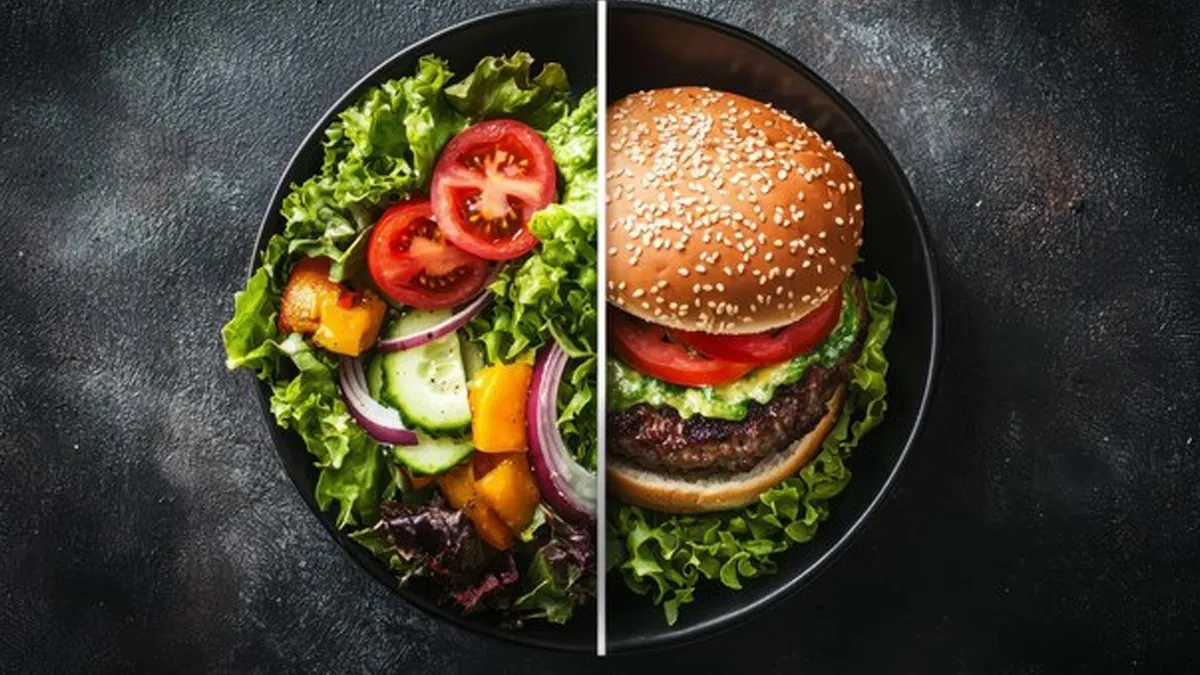
The vegetarian and non-vegetarian diet debate will never die down. People often wonder which one is healthier. Much has already been said and done about it. One recent study noted that people who don't eat meat may be less likely than meat eaters to live till the age of 100. The research tracked over 5,000 Chinese adults, aged 80 and older. This study negates the previous studies which stated how a vegetarian diet is healthier. This makes us question – when it comes to longevity, is vegetarian or non-vegetarian diet the best? Let’s find out.
To get a better understanding of this, we reached out to Ms Edwina Raj, Head of Services - Clinical Nutrition & Dietetics, Aster CMI Hospital, Bangalore. Keep reading.
Do Non-vegetarians Have Longer Lives?
When we asked our expert about her view on the study, she said that this finding should be seen with balance and not as a final verdict on diet and longevity. “Living to 100 depends on many factors such as genetics, overall nutrition, physical activity, stress levels, sleep quality, social connections, and access to healthcare, not just meat intake,” answered Ms Raj.
The expert adds, “Many people who eat meat also consume a wide variety of vegetables, fruits, whole grains, and healthy fats, which support long life. On the other hand, some meat-free diets may lack enough protein, vitamin B12, iron, or omega-3 fats if not planned well, which can affect health over time. A well-planned plant based diet and vegetarian diet can still support long and healthy life. The key is diet quality, balance, and lifestyle, not meat alone.”
 meat eater lifespan 1
Vegetarians Or Non-vegetarians – Who Are Likely To Live Longer?
We often wonder whether vegetarians or non-vegetarians are healthier. The same question is often being asked about longevity as well. Our expert answers this. “There is no clear winner between vegetarians and non-vegetarians, when it comes to living longer. Research shows that people who live long lives usually follow balanced diets and healthy lifestyles, no matter what they eat,” shares Ms Raj.
She continues, “Vegetarians often benefit from eating more fruits, vegetables, whole grains, and less processed food, which lowers the risk of heart disease and diabetes. Non-vegetarians may benefit from getting high-quality protein, vitamin B12, iron, and omega-3 fats, especially when they eat fish and lean meats, but can be exposed to unhealthy fat and poor gut health.”
But Ms Raj shares that problems arise when either diet is poorly planned or high in processed foods. “Longevity is strongly influenced by exercise, good sleep, low stress, strong social ties, and regular health check-ups. Overall, diet quality and lifestyle matter more than choosing vegetarian or non-vegetarian food,” she adds.
 meat eater lifespan 2
Vegetarians Or Non-vegetarians – Which Is Healthier?
If we look at both diets as whole, we often wonder which one is better than the other. “Both vegetarian and non-vegetarian diets can be healthy, if they are well planned and balanced. A vegetarian diet is often rich in fruits, vegetables, whole grains, nuts, and seeds, which provide fiber, vitamins, and antioxidants that support heart and gut health. However, vegetarians need to pay attention to nutrients like protein, vitamin B12, iron, calcium, and omega-3 fats through well-planned advice from a qualified dietitian,” shares Ms Raj.
She adds, “A non-vegetarian diet can offer complete protein, vitamin B12, iron, and healthy fats, especially when it includes fish, eggs, and lean meats. Health problems arise usually in both populations if the body is exposed to inflammatory foods, poor gut health, sleep concerns and lack of exercise with a stressful lifestyle. Excessive intake of processed food, sugar, salt, or fried items both impacts’ longevity. Overall, eating a variety of fresh, minimally processed foods matters more than whether one eats meat or not.”
Also Read: Why Should You Consume Clove Water Every Night? Expert Shares Benefits
Benefits And Disadvantages Of A Vegetarian Diet
On this note, Ms Raj shares the pros and cons of a vegetarian diet.
Benefits –
- A vegetarian diet has many benefits, but if it is poorly planned then we anticipate some limitations. One major advantage is that it is usually rich in fruits, vegetables, whole grains, and legumes, which provide fiber, vitamins, and antioxidants that support heart health, digestion, and weight control.
- It is often lower in saturated fat, which may reduce the risk of heart disease and high cholesterol.
 meat eater lifespan 3
Disadvantages –
- A vegetarian diet can have gaps, if it is not planned well. Some people may not get enough protein, vitamin B12, iron, calcium, or omega-3 fats, which are important for energy, bones, and brain health.
- Highly processed vegetarian foods can also be unhealthy.
“Overall, a vegetarian diet can be healthy when it is balanced, varied, and nutritionally complete,” says Ms Raj.
Disadvantages Of A Non-Vegetarian Diet
A non-vegetarian diet can be healthy, but it also has some drawbacks if not followed carefully. Ms Raj shares its cons:
- Eating too much red meat or processed meat like sausages, bacon, and salami can increase the risk of heart disease, high blood pressure, diabetes, and some cancers. These foods are often high in saturated fat and salt.
- Overcooking meat, especially frying or grilling at very high heat, can also create harmful compounds.
- Some people may eat fewer fruits, vegetables, and fiber when their diet is meat-heavy, which can affect digestion and gut health.
- There are also concerns about food safety if meat is not stored or cooked properly.
“Overall, moderation, cooking methods, and food balance matter more than simply eating meat,” concludes Ms Raj.
Also Read: An Expert Guide To Hit Your Daily Fibre Intake Target
The Final Word
Living to 100 depends on many factors such as genetics, overall nutrition, physical activity, stress levels, sleep quality, social connections, and access to healthcare, not just meat intake. Overall, moderation, cooking methods, and food balance matter more than simply eating meat.
FAQ
Do meat-eaters age faster?
Processed meats can contribute to premature aging due to their high levels of saturated fat, sodium, nitrites and nitrates, and other chemicals.Do the longest living people eat meat?
Communities with the longest average lifespans primarily eat whole plant-based foods and limit their consumption of animal products and highly processed foods.Which diet has the longest life expectancy?
Research indicates that a plant-based diet is the cornerstone of healthy longevity.
All possible measures have been taken to ensure accuracy, reliability, timeliness and authenticity of the information; however Onlymyhealth.com does not take any liability for the same. Using any information provided by the website is solely at the viewers’ discretion. In case of any medical exigencies/ persistent health issues, we advise you to seek a qualified medical practitioner before putting to use any advice/tips given by our team or any third party in form of answers/comments on the above mentioned website.
How we keep this article up to date:
We work with experts and keep a close eye on the latest in health and wellness. Whenever there is a new research or helpful information, we update our articles with accurate and useful advice.
-
Current Version
Feb 20, 2026 20:02 IST
Modified By : Chanchal Sengar Feb 20, 2026 20:02 IST
Modified By : Chanchal SengarFeb 20, 2026 20:02 IST
Published By : Shruti Das
Reviewed By : Edwina Raj