
People who are trying to lose weight often opt for peanut butter. However, they are often confused whether this spread is a friend or foe to their diet goals. While peanut butter is no doubt rich in calories and fats, if consumed mindfully, it may offer a powerful combination of protein and healthy fats. It can also keep you feeling full and satisfied.
To set the record straight, Dt Gauri Soni, Head Dietitian at Fortis Hospital Ludhiana and Ms Chitra BK, Chief of Dietetics, KIMS Hospitals, Electronic City, Bengaluru clarifies whether peanut butter can lead to weight gain or not, as well as the best ways to add it into your daily diet.
Does Peanut Butter Make You Gain Weight?
Let us begin by addressing the main point right away – can peanut butter lead to weight gain? Dt Soni says peanut butter can work for you or against you when it comes to weight loss; it really depends on how you eat it.
The expert further explains, “On the plus side, peanut butter is a good mix of protein, healthy fats and micronutrients. I tell my patients to have it with something like bread or fruit, because its low glycemic index keeps you fuller for longer and stops that sugar spike. This matters a lot if you have diabetes or PMOS, or you're just trying to manage your weight generally. The fats in it are mostly monounsaturated which support heart health. For vegetarians, it's a decent source of protein with around 7 to 8 grams in two tablespoons, in addition to magnesium and vitamin E.”
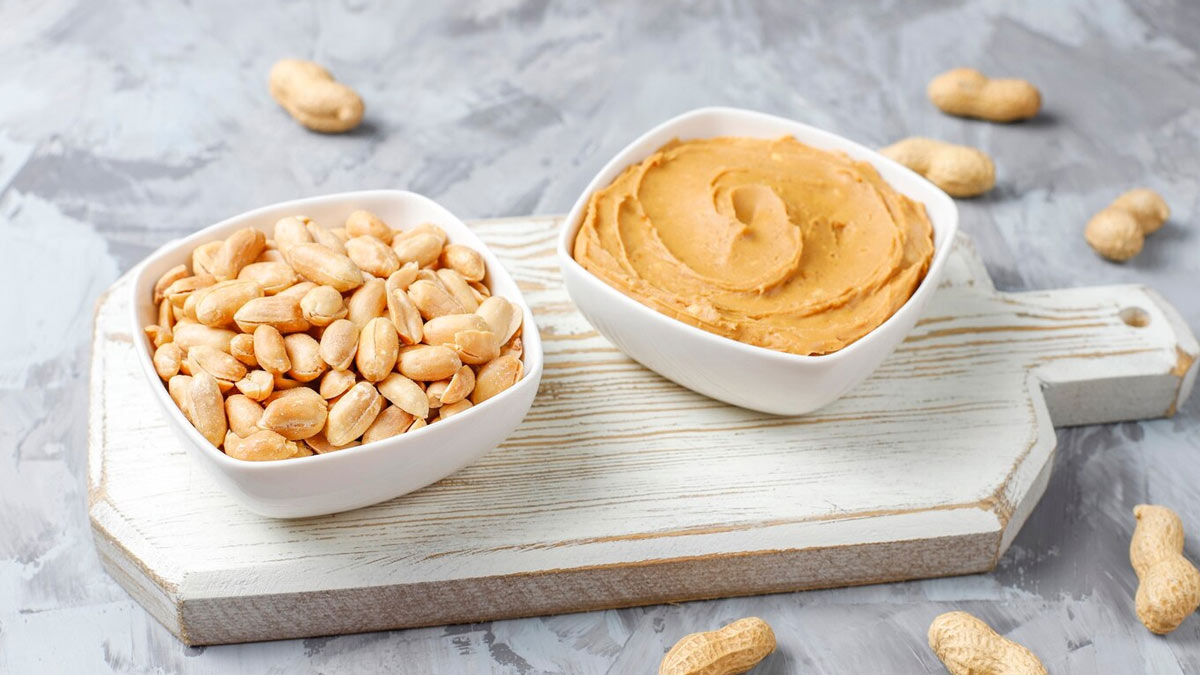
Adding to this, Ms Chitra says, "Eating peanut butter alone doesn’t make you fat. You will be gaining weight if you are consuming more calories than the number your body burns. The reason for this is that the peanut butter is calorie dense, with around 90-100 calories per tablespoon. In addition to this, the product contains many essential nutrients including mono-unsaturated fats, vegetable proteins, fibres, vitamin E, magnesium and more."
 peanut butter weight 1
How To Choose The Right Peanut Butter
Dt Soni says that here's where people go wrong — the store-bought ones are often loaded with hydrogenated oils and sugar.
The expert explains, “If you're eating more than a tablespoon or two a day, those calories add up quicker than you'd think. Stick to something natural, homemade if you can, paired with fibre such as an apple slice at breakfast or as your evening snack, and watch it support your weight loss journey.”
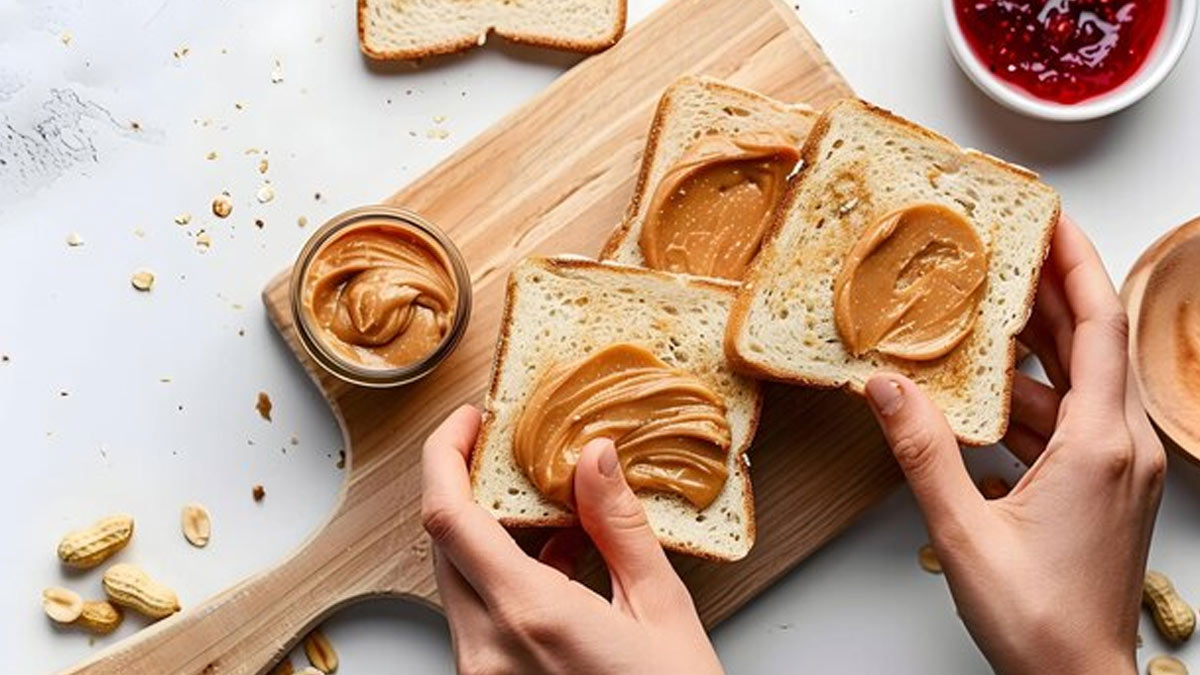
Adding to this, Ms Chitra shares, "Consuming peanut butter in large amounts or opting for peanut butter that contains many additives such as sugar, salt, and hydrogenated oil will add up to the calorie count and diminish its nutritional value. The best option would be using natural peanut butter with as few ingredients as possible combined with whole-grain bread, fruits, or smoothies."
 peanut butter weight 2
Health Benefits ofPeanut Butter
Peanut butter is rich in key nutrients, such as:
- 0.1 milligrams of copper.
- 0.5 milligrams of manganese.
- 4.08 milligrams of niacin (vitamin B3).
- 1.4 milligrams of vitamin E.
- 0.043 milligrams thiamine (vitamin B1).
- 50.5 milligrams of magnesium.
- 0.286 milligrams of pantothenic acid (vitamin B5).
According to the Cleveland Clinic, these are the health benefits of peanut butter:
Good Source of Antioxidants
Antioxidants neutralise free radicals in your body. Excess of free radicals can damage your cells in a process called oxidative stress. This damage plays a crucial role in many diseases; it is also believed to be what contributes to higher risk of chronic diseases.
Peanuts are packed full of plant compounds and mineral antioxidants, such as:
- Coenzyme Q10
- Copper
- Flavonoids
- Manganese
- Resveratrol
- Selenium
- Vitamin E
Lowers Cholesterol
Eating peanuts may help minimise your cholesterol levels. This is because peanut butter is an excellent natural source of phytosterols.
Helps With Weight Management
Peanuts are high in calories. However, research suggests that eating peanuts may help you manage your weight and avoid obesity. This is because peanuts also contain protein, fibre and healthy fats. All of these can make you feel full quicker and longer.
Helps with Glycemic Control
Peanuts can keep your blood sugar steady. This is because they are rich in fibre and protein and low in carbs. As per a 2019 study, published in the The American Journal of Clinical Nutrition, eating peanuts may improve your insulin sensitivity. This denotes that your body can use insulin more effectively, keeping blood sugar levels in check.
 peanut butter weight 3
Do Peanut Butter Have Any Side Effects?
According to a 2022 study, published in the Foods journal, peanut butter has certain potential food safety hazards that may pose a significant public health risk. The research noted that the two major health threats associated with peanut butter are Salmonella bacteria and dangerous mold toxins known as aflatoxins. It noted that despite peanut butter's very low moisture content, Salmonella can survive inside it for remarkably long periods. Since peanut butter’s composition is a unique combination of high-fat and low-water, this acts as a shield, making it extremely hard to kill the bacteria.
More studies have noted that peanut butter many commercially sold peanut butters have added sugar in them. Moreover, peanuts also have higher levels of Omega 6. According to a 2024 study, published in the Human Nutrition and Metabolism journal, a high intake of omega-6 may lead to an imbalance in the ratio of nutritious fatty acids and increase the risk of obesity and insulin resistance. Lastly, one tablespoon of peanut butter consists of around 95 calories, which may lead to weight gain if consumed in excess.
ALSO READ- Struggling With Anal Fissure? Expert Shares 7 Foods You Must Avoid
Conclusion
To summarise, peanut butter will not inherently cause weight gain. It is the portion size and the quality of the product that determine its effect on your health. If you choose natural, unsweetened varieties and opt for a modest tablespoon or two combined with fibre-rich foods, you can reap the heart-healthy benefits of peanut butter. Therefore, moderation is key to enjoying this delicious spread, which can help you keep your weight in check as well.
FAQ
Can peanut butter increase belly fat?
Peanut butter does not inherently cause belly fat. However, because it is calorie-dense, overeating it can contribute to a caloric surplus and subsequent weight gain.Is peanut butter good for losing weight?
Peanut butter can support weight loss when consumed in moderation as part of a calorie-controlled diet.
All possible measures have been taken to ensure accuracy, reliability, timeliness and authenticity of the information; however Onlymyhealth.com does not take any liability for the same. Using any information provided by the website is solely at the viewers’ discretion. In case of any medical exigencies/ persistent health issues, we advise you to seek a qualified medical practitioner before putting to use any advice/tips given by our team or any third party in form of answers/comments on the above mentioned website.
How we keep this article up to date:
We work with experts and keep a close eye on the latest in health and wellness. Whenever there is a new research or helpful information, we update our articles with accurate and useful advice.
-
Current Version
Jul 15, 2026 13:10 IST
Published By : Shruti Das
Reviewed By : Ms Chitra B K