
Can't get to the loo during a meeting that never seems to end, or hours from the next stop of the rest of your journey? An expert says that holding your pee occasionally won't hurt you. Things can begin to go wrong when it becomes a habit to delay urination or the bladder is stretched repeatedly to its capacity. Read on to know more about it and what the doctor wants people to understand about this everyday dilemma.
What Are the Actual Health Risks of Holding Your Pee?
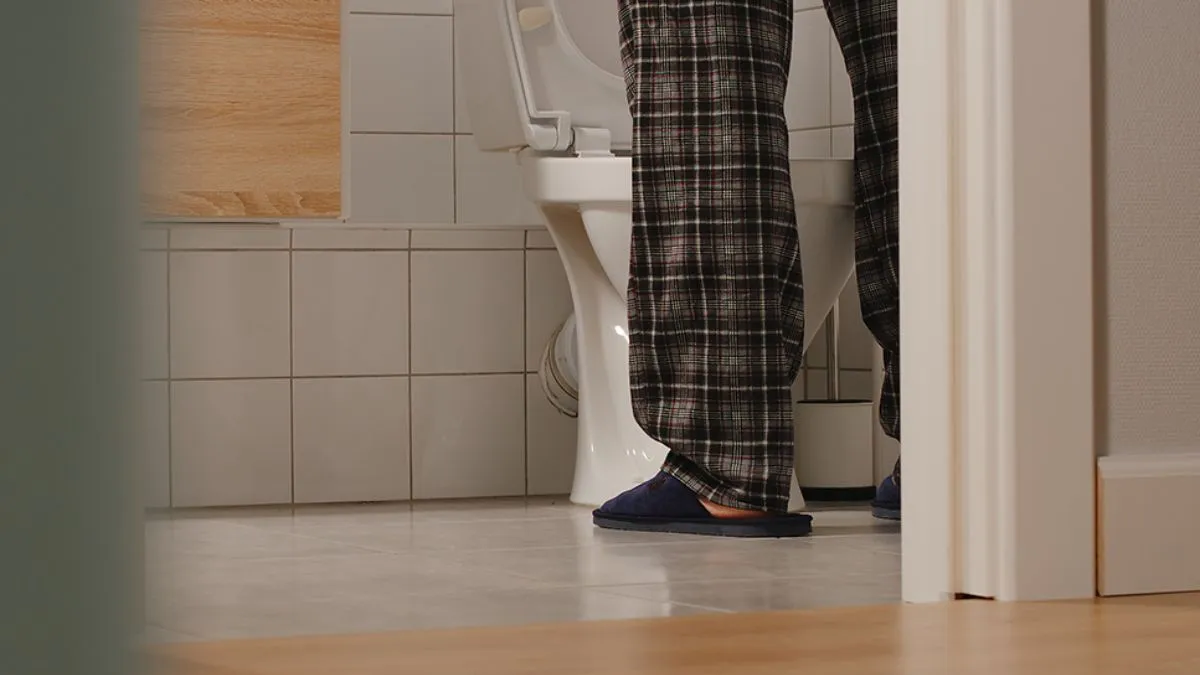 holding pee long
Dr Prasad Mylarappa, Head of Department and Consultant, Department of Urology, Ramaiah Memorial Hospital, Bengaluru, breaks down what happens when holding becomes a habit, rather than a one-off.
1. Urinary tract infections (UTIs)
Urine that sits in your bladder longer allows the bacteria to take time to settle and multiply. It's one of the reasons why there is a connection between holding and increased risk of infection.
2. Bladder muscle strain
Just as with any muscle, the bladder requires exercise. Just don't overstretch or overuse it, or it will lose some of its efficiency. If it is continually distended (made full) over time, the bladder becomes more difficult to contract properly and function correctly.
3. Not fully emptying
You might feel like you still need to go right after you have been, find yourself making frequent small trips to the bathroom, or notice it is harder to get the stream started.
4. Urinary retention
In more severe cases, the bladder may be unable to empty. Acute urinary retention is indeed painful and can cause a lot of pain in the lower abdominal area. It is not something to wait it out. It requires immediate medical attention.
5. Kidney complications
If retention is severe and goes untreated for long enough, urine can start backing up toward the kidneys, which risks actual kidney damage. To be clear, this is a concern tied to prolonged or serious retention, not the kind of one-off holding you might do during a long meeting or a road trip.
ALSO READ- Can Kidney Stones Cause Blood in Urine? Causes, Signs & When to See a Doctor
This bladder emptying concern isn't just theoretical. In a 2024 prospective study published in Cureus, researchers looked at 100 patients undergoing an invasive bladder test. They wanted to know how often it led to urinary infections. About 6% had bacteria in their urine after the test. Around 4.7% developed real infection symptoms.
But one thing stood out. Patients who couldn't fully empty their bladder before the test, leaving more than 20mL behind, were far more likely to get an infection afterwards. The researchers concluded the test itself was safe overall. Routine antibiotics before the test weren't needed for most patients. But incomplete bladder emptying was a clear warning sign worth watching for.
Why Do You Feel More Prone to Peeing While Travelling?

According to Dr Mylarappa, several factors combine during travel to make this feel worse than usual:
- You are probably drinking more: Coffee before the trip, water in the car, tea during the meeting. It adds up. And caffeine does not just make more urine. It makes your bladder more sensitive too.
- Anxiety plays a role: If you are worried there might not be a bathroom nearby, you start paying way more attention to every twinge your bladder makes. Stress genuinely does ramp up that sense of urgency.
- The "what if" effect: Just knowing the next rest stop is 40 minutes away can make a totally normal urge feel like an emergency.
- Your routine gets thrown off: Odd mealtimes, less sleep, more caffeine, and travel disrupt the little patterns your body usually runs on, including bathroom habits.
Dr Mylarappa adds an important caution. If you suddenly notice you need to go way more often than usual, do not just chalk it up to travel. Burning, fever, blood in your urine, constant thirst, or urgency that would not let up could point to something like an infection or diabetes, and that is worth checking out.
Can Holding It Be Avoided, and What Happens If You Do It Anyway?
The goal, according to Dr Mylarappa, is to stop ignoring a strong urge for hours at a time just because it is inconvenient. Holding it occasionally is not the disaster people sometimes fear. The real issue is when it becomes routine. If you keep holding urine for long periods, it can increase the risk of urinary infections and, in some people, contribute to problems with fully emptying the bladder.
This tracks with updated 2025 clinical guidance from the American Urological Association, a guideline update on recurrent UTIs in women, in which experts reviewed new research from mid-2021 to late 2024. They found 87 studies worth reviewing, and 14 met their strict criteria for inclusion. The guideline offers a few key updates. Doctors should check for incomplete bladder emptying, especially in women with risk factors like diabetes, prolapse, or nerve issues.
How Can You Prevent Problems From Holding Your Pee?
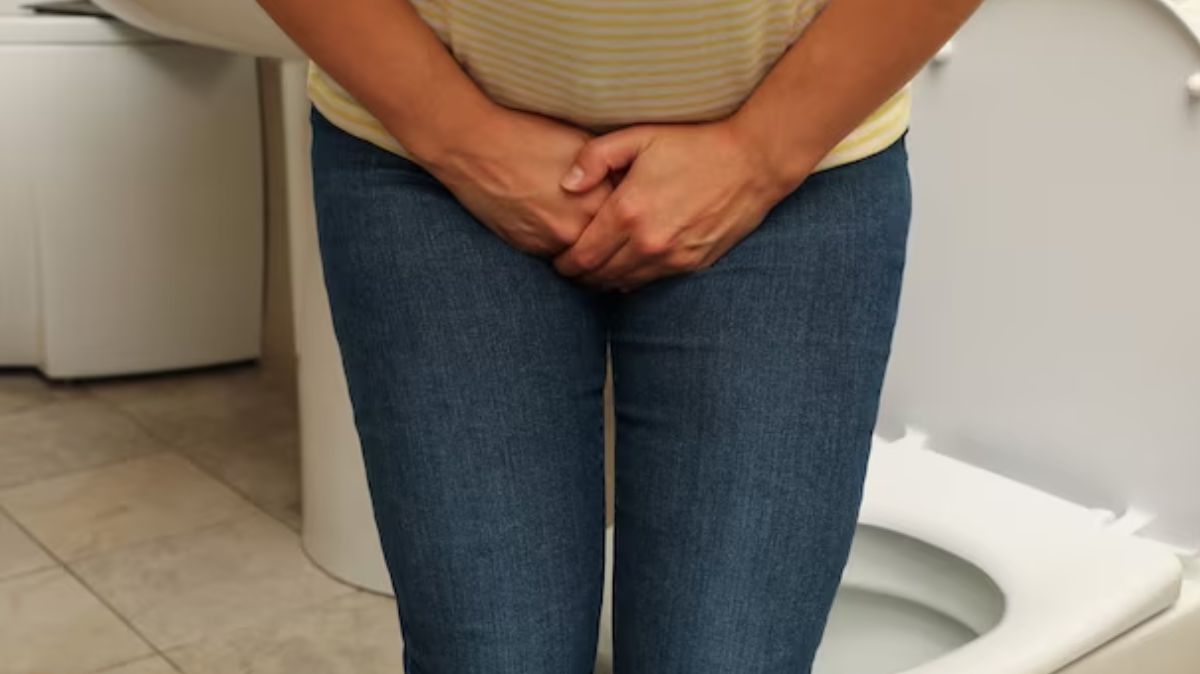
Dr Mylarappa has a useful suggestion for when you have to meet, travel on a road trip or stay out for a long time without access to a bathroom.
- Do not wait to go. Do first. Take a bathroom break before the big meeting, or before you leave on the road. Never wait till you are in need.
- Do not cut back on water to avoid bathroom stops. Dehydrating yourself on purpose causes its own problems.
- Watch the coffee and alcohol if you know they make things worse for you on long trips.
- Scout out stops ahead of time, especially if you are travelling with kids, older relatives, or anyone with a bladder condition already.
- Notice if it is becoming a pattern. An occasional delay is fine. Doing it every single day at work is where it starts to add up.
Pay attention to warning signs. Burning, fever, blood, severe pain, or trouble urinating at all are signals to see a doctor, not push through.
ALSO READ- Frequent Urination at Night: Diabetes, Kidney Disease, or Something Else?
Conclusion
Holding your pee during a long meeting or a road trip once in a while is not going to cause lasting harm. The danger arises when it becomes a habit to delay urination, causing repeated over-stretching of the bladder and an increase in the time bacteria can colonise the bladder. Basic precautions like doing things ahead of time, drinking enough fluids, and recognising signs and symptoms can go a long way toward preventing this from becoming a serious health problem.
FAQ
1. Does holding your pee affect men and women differently?
Women are more susceptible to getting a UTI because of their shorter urethra, and because the bladder is emptied more frequently, this can be a risk factor for women to a certain degree than for men.2. Can training your bladder to hold urine for longer periods actually be helpful, like for bladder control exercises?
Structured bladder training, under medical supervision for certain medical conditions such as overactive bladder, is not the same as ignoring the urge to go to the toilet because it is inconvenient to make the trip during meetings or on business trips.
All possible measures have been taken to ensure accuracy, reliability, timeliness and authenticity of the information; however Onlymyhealth.com does not take any liability for the same. Using any information provided by the website is solely at the viewers’ discretion. In case of any medical exigencies/ persistent health issues, we advise you to seek a qualified medical practitioner before putting to use any advice/tips given by our team or any third party in form of answers/comments on the above mentioned website.
How we keep this article up to date:
We work with experts and keep a close eye on the latest in health and wellness. Whenever there is a new research or helpful information, we update our articles with accurate and useful advice.
-
Current Version
Aug 17, 2026 19:37 IST
Published By : Vivek Kumar
Reviewed By : Dr Prasad Mylarappa