
Blood sugar tests measure the amount of glucose in your blood and help detect prediabetes, diabetes, and blood sugar abnormalities early. The most common tests include the HbA1c test, Fasting Blood Sugar Test (FBS), Oral Glucose Tolerance test (OGTT), and Random Blood Sugar Test (RBS), each with its own purpose and normal range.
Knowing what these tests are looking for and what the results mean can really help you catch any blood sugar issues before they become serious health concerns. While one abnormal reading does not always mean diabetes, repeated high results may signal the need for medical evaluation and treatment.
Importance of Blood Sugar Tests
Our body breaks down carbohydrates into glucose, which enters the bloodstream and serves as a primary source of energy. The hormone insulin, made by the pancreas, helps move this glucose into your cells.
When the body does not make enough insulin or cannot use insulin effectively, glucose builds up in the blood. According to the World Health Organization (WHO), over time, elevated blood sugar levels may increase the risk of:
- Type 2 diabetes
- Heart disease
- Kidney disease
- Vision loss
- Nerve damage
- Stroke
This makes blood sugar testing essential, not only for diagnosing diabetes but also for identifying prediabetes, a stage where blood sugar is elevated but not yet in the diabetic range.
Early diagnosis can help an individual get treatment and make changes to their daily life before things get worse.
Types of Blood Sugar Tests
Healthcare providers use several blood sugar tests to evaluate glucose levels. Each test provides unique insights into how your body handles blood sugar, helping you understand what's going on inside. The most commonly used are:
1. HbA1c Test
The HbA1c test, also called glycated haemoglobin, measures the average blood sugar levels over the previous two to three months.
Glucose in the bloodstream attaches to haemoglobin, the protein in Red Blood Cells (RBCs) that carries oxygen. The HbA1c percentage reflects how much haemoglobin has sugar attached to it.
This test helps to determine the long-term view of how well the blood sugar has been controlled over the past few months, since RBCs typically live for about three months.
ALSO READ- Living with Diabetes and High Blood Pressure? Risks And Management Tips
 1-blood sugar
HbA1c Normal Range
HbA1c Result |
Meaning |
Below 5.7% |
Normal |
5.7% to 6.4% |
Prediabetes |
6.5% or higher |
Diabetes |
What HbA1c Results Mean
- A below 5.7% usually indicates healthy glucose regulation.
- 5.7% to 6.4% suggests prediabetes, meaning blood sugar is elevated, and diabetes risk is higher.
- If your result shows 6.5% or higher, it could mean you have diabetes. Though repeat testing is often needed for confirmation.
Advantages of HbA1c Testing
According to Biomarker Insights, the HbA1c test is widely used because:
- No fasting is required
- It reflects long-term glucose control
- It helps both diagnose and monitor diabetes
Limitations of HbA1c
In some cases, doctors might need to use extra tests to check blood sugar levels. The HbA1c test may be less accurate in people with:
- Anemia
- Recent blood loss
- Kidney failure
- Pregnancy
- Hemoglobin disorders
2. Fasting Blood Sugar Test
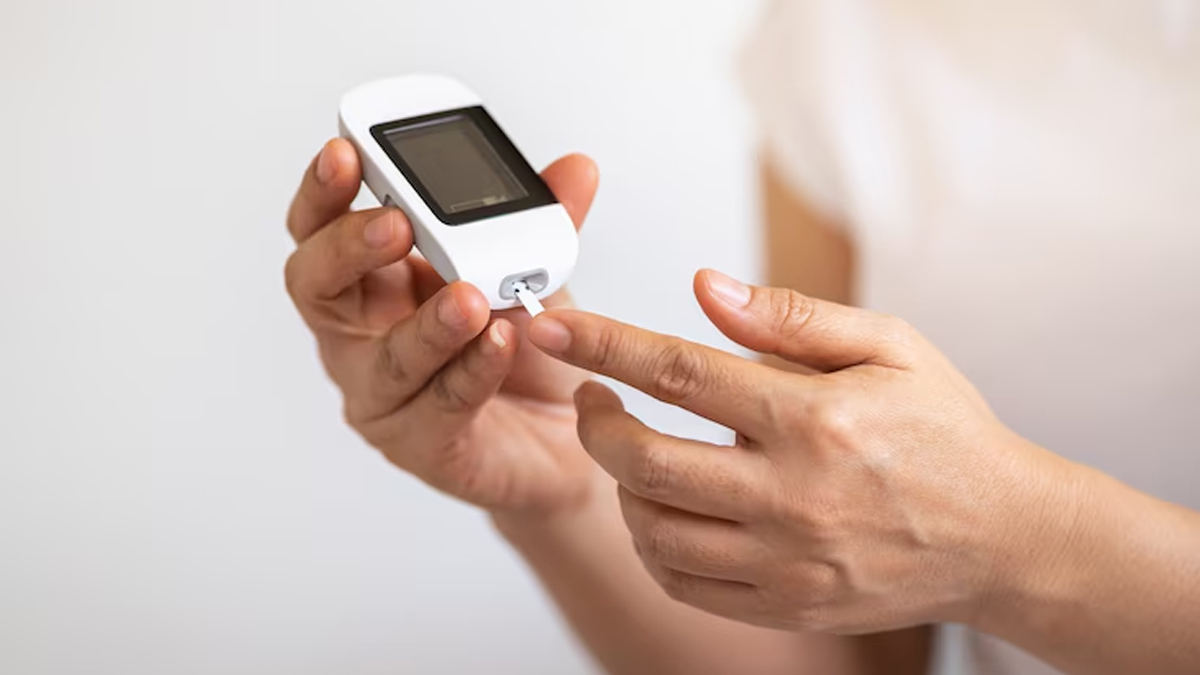
The FBS test measures the blood glucose after not eating for at least eight hours, which is usually overnight. It is one of the most common screening tools for diabetes.
Fasting Blood Sugar Normal Range
Fasting Blood Sugar |
Meaning |
Below 100 mg/dL |
Normal |
100 to 125 mg/dL |
Prediabetes |
126 mg/dL or higher |
Diabetes |
What Fasting Blood Sugar Results Mean
- Below 100 mg/dL: Normal fasting glucose
- 100 to 125 mg/dL: Indicates impaired fasting glucose, often considered prediabetes
- 126 mg/dL or higher: May indicate diabetes if confirmed on another day
Why This Test Is Important
Fasting glucose testing is a popular choice for regular check-ups, mainly because it's easy to do, doesn't cost a lot, and is available almost everywhere. It helps to identify:
- Insulin resistance
- Prediabetes
- Type 2 diabetes
 2-blood
3. Oral Glucose Tolerance Test
- The OGTT measures how efficiently the body processes sugar after consuming a glucose drink.
- This test helps identify blood sugar problems that may not appear on fasting tests.
How the OGTT Works
- You fast for at least eight hours
- Your fasting blood sugar is checked
- You drink a sugary solution
- Blood sugar is measured again after 2 hours
OGTT Normal Range After 2 Hours
2-Hour OGTT Result |
Meaning |
Below 140 mg/dL |
Normal |
140 to 199 mg/dL |
Prediabetes |
200 mg/dL or higher |
Diabetes |
What OGTT Results Mean
- Below 140 mg/dL: Normal glucose tolerance
- 140 to 199 mg/dL: Impaired glucose tolerance or prediabetes
- 200 mg/dL or higher: Diabetes may be diagnosed
Why the OGTT Is Used
The OGTT is especially helpful for:
- Detecting prediabetes
- Diagnosing type 2 diabetes
- Screening for gestational diabetes
- It is more sensitive than fasting glucose in some people
4. Random Blood Sugar Test
The RBS measures glucose at any time of the day, regardless of when you last ate.
Random Blood Sugar Range
Random Blood Sugar |
Meaning |
Below 140 mg/dL |
Normal |
140 to 199 mg/dL |
May indicate prediabetes |
200 mg/dL or higher |
Possible diabetes |
What Random Blood Sugar Results Mean
A random blood sugar level of 200 mg/dL or higher, along with symptoms such as excessive thirst, frequent urination, and unexplained weight loss, may suggest diabetes. However, additional tests are usually required to confirm the diagnosis.
Normal Blood Sugar Ranges Comparison Table
Here is a quick comparison of the most common blood sugar tests. The following table can help understand how doctors interpret blood sugar results based on the type of test used:
Test |
Normal |
Prediabetes |
Diabetes |
HbA1c |
Below 5.7% |
5.7%-6.4% |
6.5%+ |
Fasting Blood Sugar |
Below 100 mg/dL |
100-125 mg/dL |
126+ mg/dL |
OGTT (2 hours) |
Below 140 mg/dL |
140-199 mg/dL |
200+ mg/dL |
Random Blood Sugar |
Below 140 mg/dL |
140-199 mg/dL |
200+ mg/dL |
Which Blood Sugar Test Is Most Accurate?
According to the European Union Clinical Trials, no single blood sugar test is best in every situation.
- HbA1c provides a long-term average
- Fasting glucose gives a snapshot after fasting
- OGTT shows how the body handles sugar after a glucose load
- Random glucose helps detect urgent problems
Healthcare providers often use more than one test to confirm a diagnosis. Explaining with an example, Dr Pillai shares, “If you get a high fasting glucose result, your doctor might want to do another test, like an HbA1c or an OGTT, to confirm what's going on with your blood sugar levels.”
What Can Affect Blood Sugar Test Results?
Several factors can influence blood sugar readings, including:
- Stress: Stress hormones can temporarily increase blood glucose.
- Illness: Infections or inflammation may cause elevated blood sugar.
- Medications: Some medicines, like steroids, can cause your blood sugar levels to go up.
- Recent Meals: Eating before a fasting test can alter results.
- Sleep Deprivation: Poor sleep may temporarily impair glucose regulation.
ALSO READ- Can Untreated Diabetes Become Life-Threatening? Here’s What An Expert Says
 3-blood
What Happens If Your Blood Sugar Results Are High?
If blood sugar test results are above normal, your healthcare provider may recommend:
- Repeating the test
- Performing another diagnostic test
- Checking for symptoms
- Starting lifestyle changes
According to Dr Pillai, some of the most recommended lifestyle changes may include:
- Reducing added sugar intake
- Increasing physical activity
- Losing excess weight
- improving sleep
- Managing stress
If you're diagnosed with diabetes, your doctor might give you medicine or insulin to help manage it. John Hopkins Medicine highlights that early intervention is important because prediabetes can often be reversed with lifestyle changes.
When Should You Get Tested?
Blood sugar testing may be recommended if you:
- Are 35 years or older
- Are overweight
- Have a family history of diabetes
- Have high blood pressure
- Have PCOS
- Had gestational diabetes
- Have symptoms of high blood sugar
Symptoms may include:
- Increased thirst
- Frequent urination
- Fatigue
- Blurred vision
Bottomline
Blood sugar tests such as the HbA1c, fasting blood sugar test, oral glucose tolerance test, and random blood sugar test help detect prediabetes and diabetes early. Each test measures blood sugar differently:
- HbA1c shows average blood sugar over time
- Fasting glucose measures baseline glucose after fasting
- OGTT evaluates how your body responds to sugar
- Random glucose offers a quick snapshot
Knowing what's a normal blood sugar level can help you understand your test results better, but diagnosis should always be confirmed by a healthcare provider. Early diagnosis and treatment can make a big difference in preventing long-term complications.
FAQ
1. What HbA1c level is considered normal?
HbA1c level below 5.7% is considered normal.2. What fasting blood sugar level means diabetes?
If your blood sugar level is 126 mg/dL or more when you haven't eaten, it could mean you have diabetes, but only if the result is confirmed by another test.3. Can one high blood sugar reading mean diabetes?
Not always. Sometimes doctors will do the test again or ask for a different kind of blood sugar test before they diagnose diabetes for sure.4. Which blood sugar test is best for diagnosing diabetes?
Doctors may use HbA1c, fasting blood sugar, or OGTT, depending on the situation.5. Can stress affect blood sugar test results?
Yes. Stress hormones can temporarily raise blood sugar levels.
All possible measures have been taken to ensure accuracy, reliability, timeliness and authenticity of the information; however Onlymyhealth.com does not take any liability for the same. Using any information provided by the website is solely at the viewers’ discretion. In case of any medical exigencies/ persistent health issues, we advise you to seek a qualified medical practitioner before putting to use any advice/tips given by our team or any third party in form of answers/comments on the above mentioned website.
How we keep this article up to date:
We work with experts and keep a close eye on the latest in health and wellness. Whenever there is a new research or helpful information, we update our articles with accurate and useful advice.
-
Current Version
Apr 24, 2026 18:31 IST
Modified By : Tanya Srivastava Apr 24, 2026 18:31 IST
Modified By : Tanya SrivastavaApr 24, 2026 18:31 IST
Published By : Tanya Srivastava
Reviewed By : Dr. Pooja Pillai