
Blood sugar monitoring is an essential part of diabetes care. It helps track the amount of glucose present in the blood at a given time, allowing an individual and their healthcare provider to understand how the body responds to food, exercise, medication, stress, and illness. Regular monitoring can help prevent dangerously high blood sugar (hyperglycemia) and low blood sugar (hypoglycemia), both of which can lead to serious complications if left untreated.
Whether you have type 1 diabetes, type 2 diabetes, gestational diabetes, or prediabetes, knowing when to test your blood sugar, how to test correctly, and what your target levels should be can improve day-to-day glucose control and reduce long-term risks. In an exclusive interaction with us, our expert, Dr Pillai, understanding common mistakes is equally important because inaccurate readings can lead to inappropriate treatment decisions.
Read ahead to learn why blood sugar monitoring matters, how to check blood sugar properly, the best times to test, target blood sugar levels, and the most common blood sugar monitoring mistakes to avoid.
Why Blood Sugar Monitoring Matters
Blood sugar monitoring provides real-time information about how well the body is managing glucose. The World Health Organization (WHO) highlights that when the body cannot make enough insulin or cannot use insulin effectively, blood sugar levels rise. Over time, elevated blood glucose can damage blood vessels and organs, increasing the risk of:
- Heart disease
- Kidney disease
- Vision loss
- Nerve damage
- Stroke
Monitoring blood sugar helps detect patterns in glucose levels throughout the day and shows how blood sugar changes in response to:
- Meals
- Medications
- Physical activity
- Stress
- Illness
- Sleep
These patterns help guide important treatment decisions, such as:
- Adjusting insulin doses
- Changing medication timing
- Modifying meal plans
- Preventing blood sugar swings
Monitoring is also critical for identifying low blood sugar, which may cause:
- Shakiness
- Sweating
- Dizziness
- Confusion
- Weakness
According to the Mayo Clinic, if blood sugar levels drop really low, it can be very serious and even cause seizures or make an individual pass out. Regular blood sugar checks help improve diabetes management and reduce the likelihood of complications.
ALSO READ- Living with Diabetes and High Blood Pressure? Risks And Management Tips
 1-blood
Who Should Monitor Blood Sugar?
Dr Pillai recommends blood sugar monitoring for people with:
- Type 1 diabetes
- Type 2 diabetes
- Gestational diabetes
It may also be advised for those with:
- Prediabetes
- Frequent low blood sugar episodes
- Recent medication changes
- Unstable glucose levels
“For people taking insulin, it's usually necessary to check their blood sugar levels more often. This is because the amount of insulin they need to take can depend on what their blood sugar levels are,” she notes.
Your doctor may recommend a personalised testing schedule based on:
- The type of diabetes
- Medications used
- Blood sugar goals
- Risk of hypoglycemia
- Overall health status
How to Check Blood Sugar
There are many ways to monitor blood sugar, and each method has its own advantages.
It can be monitored using:
1. Glucose Meter
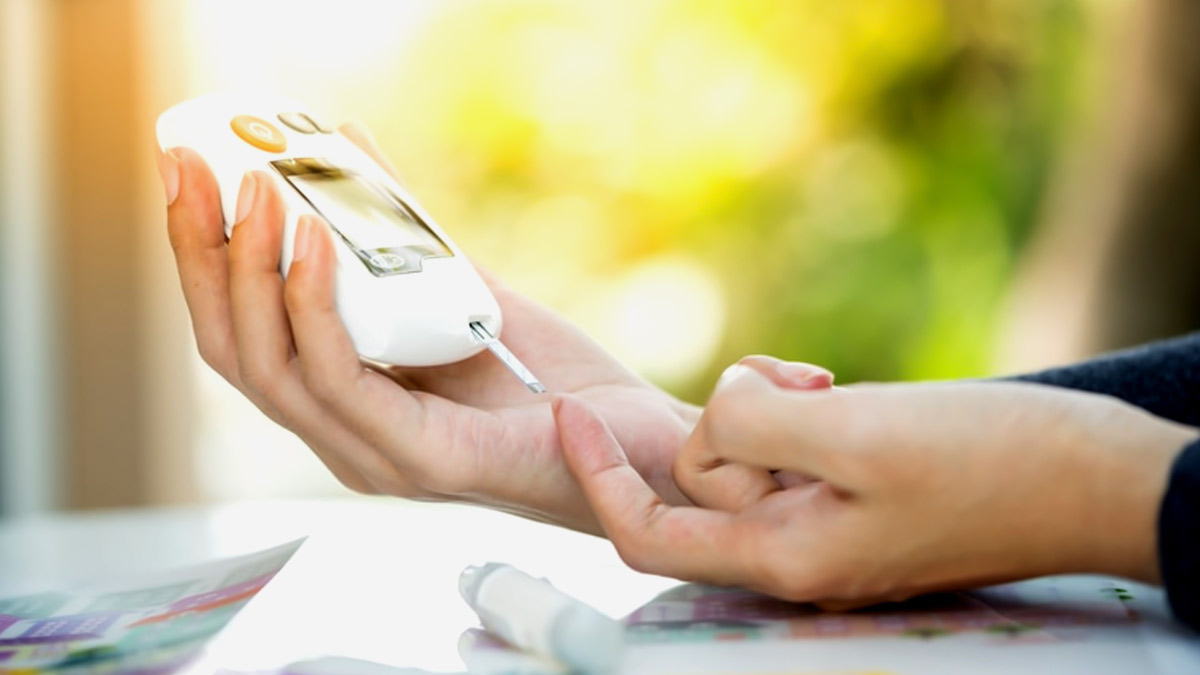
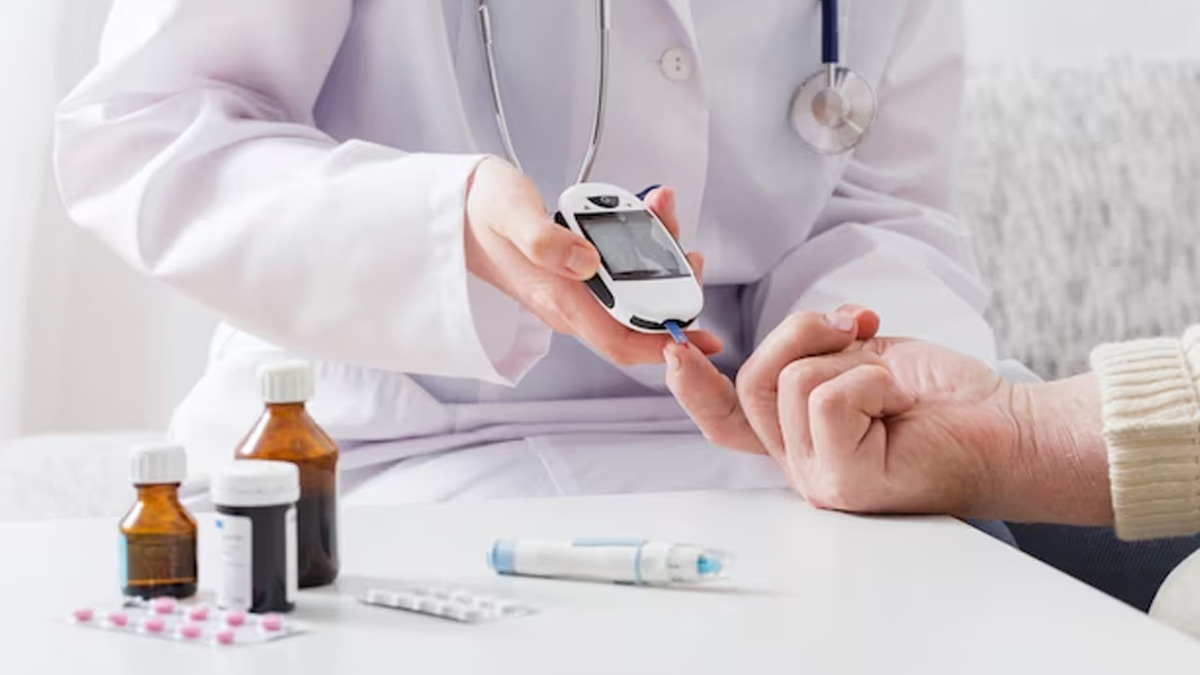
A blood glucose metre is a tool that checks the amount of glucose in your blood. It does this by using a tiny drop of blood, which is usually taken from the tip of your finger.
Steps to Check Blood Sugar Correctly
Doing tests the right way makes the results more accurate and helps prevent wrong readings. Here is an expert-approved guide to checking it with a glucose meter.
1. Wash and dry your hands thoroughly
- If you have sugar on your fingers, it can give you a wrong reading.
- Warm water may help improve blood flow.
2. Insert the test strip into the glucose metre
- When checking your blood sugar, make sure to use test strips that work with your meter.
- Keep your test strips in the container they came in and make sure to check the expiration date before using them.
3. Prick the side of your fingertip with a lancet
- Using the side of your finger to check your blood sugar levels can be less painful than using the centre of your finger.
- Rotating fingers can help reduce soreness.
4. Place a small drop of blood on the strip
- Don't squeeze your finger too hard when taking a blood sample, because this can affect the results.
- Make sure you get enough blood on the strip for a correct reading.
5. Wait for the reading and record the result
- Keeping a log of readings helps identify trends and patterns over time.
- Many glucose meters can store results automatically.
ALSO READ- Can Untreated Diabetes Become Life-Threatening? Here’s What An Expert Says
 Medication-Timing
2. Using a Continuous Glucose Monitor (CGM)
A CGM uses a small sensor inserted under the skin to measure glucose levels continuously throughout the day and night. This helps people identify patterns and respond quickly to changes. CGMs help provide:
- Real-time glucose readings
- Trend arrows showing whether blood sugar is rising or falling
- Alerts for high or low blood sugar
- CGMs are especially useful for:
- People taking insulin
- Frequent hypoglycemia
- Overnight glucose monitoring
“However, sometimes, the readings from a continuous glucose monitor can be a bit behind what's actually going on with your blood sugar levels, especially when they're changing really fast. You might still need to do a fingerstick test to double-check the readings from your continuous glucose monitor, especially if you're feeling symptoms that don't seem to match what the monitor is saying,” Dr Pillai emphasises.
Best Time to Test Blood Sugar
According to the Centers for Disease Control and Prevention (CDC), the best time to test depends on your treatment plan, medications, and blood sugar goals. Some common testing times include:
- Before Meals: Checking before meals helps measure baseline glucose levels and may guide insulin dosing.
- 1-2 Hours After Meals: Post-meal testing shows how food affects blood sugar and whether glucose is rising too high after eating.
- At Bedtime: Testing at bedtime helps detect whether blood sugar is too high or too low before sleep.
- Before Exercise: Exercise may lower blood sugar, so checking beforehand helps prevent hypoglycemia during activity.
- During Illness: Illness can raise blood sugar, even if you are eating less. However, extra monitoring may be needed when sick.
- When Symptoms Occur: Check your blood sugar if you experience symptoms of low blood sugar, such as shakiness, sweating, confusion or high blood sugar, such as excessive thirst, blurred vision or fatigue
Target Blood Sugar Levels
Target blood sugar levels vary from person to person, but many adults with diabetes are commonly advised to aim for:
Time of Test |
Target Blood Sugar |
Before meals |
80-130 mg/dL |
1-2 hours after meals |
Less than 180 mg/dL |
Your healthcare provider will set the safest target range for you. These targets may vary depending on:
- Age
- Pregnancy
- Other health conditions
- Risk of hypoglycemia
How Often Should You Check Blood Sugar?
The frequency of testing depends on your treatment plan, and a doctor should ideally create a schedule that's just right for you. You may need to check multiple times a day if you:
- Use insulin
- Have type 1 diabetes
- Experience frequent low blood sugar
- Have uncontrolled glucose levels
On the other hand, less frequent monitoring may be appropriate if you:
- Manage diabetes with diet and exercise
- Use oral medications
- Have stable blood sugar readings
 3-blood
Common Blood Sugar Monitoring Mistakes
The Journal of Diabetes and Science Technology (JDST) cites that incorrect monitoring can lead to inaccurate results. Here are common mistakes that may affect readings:
1. Not Washing Hands Before Testing
Sugar residue on the skin can falsely elevate the reading. Therefore, Dr Pillai suggests always washing and drying your hands before testing.
2. Using Expired or Improperly Stored Test Strips
Expired or damaged strips may produce unreliable results. Keep strips sealed and stored according to instructions.
3. Squeezing the Finger Too Hard
Squeezing too hard can water down the sample, which might make it less accurate. Allow a natural blood drop to form.
4. Testing at Inconsistent Times
Checking at different times daily makes it difficult to compare readings. Testing at regular times helps identify trends better.
5. Ignoring Patterns in Results
Repeated highs or lows may indicate the need for medication or lifestyle changes. Experts note that patterns matter more than isolated readings.
6. Relying Only on Symptoms
Blood sugar may be dangerously abnormal even without symptoms. This is why monitoring provides objective information.
7. Not Confirming Unexpected Readings
If a reading seems unusual, retesting can help confirm whether it is accurate.
When to Contact a Doctor
Consulting a healthcare provider is important if:
- Blood sugar stays above your target range repeatedly
- You have frequent low blood sugar episodes
- Your readings are unpredictable
- You are sick, and your blood sugar remains high
However, seek urgent medical attention if:
- Blood sugar is extremely high, and you have vomiting or confusion
- Low blood sugar causes fainting or seizures
Bottomline
Keeping track of your blood sugar levels is a big part of managing diabetes. It helps you see how food, exercise, and stress impact your glucose levels. This makes it easier to keep your levels in place. Monitoring blood sugar can help an individual understand how their body reacts to various factors and make adjustments to stay within their target range.
Knowing how to test properly, when to check, what targets to aim for, and which common mistakes to avoid improves the accuracy of readings and supports better treatment decisions.
FAQ
1. Why is blood sugar monitoring important?
Blood sugar monitoring helps track glucose levels, guide treatment decisions, and reduce the risk of diabetes complications.2. What is the best time to check blood sugar?
You should check your blood sugar levels at different times of the day. This can be before you eat, after you eat, before you exercise, when you go to bed, and when you're not feeling well.3. What blood sugar level should I aim for before meals?
For people with diabetes, it's generally recommended to keep blood sugar levels between 80 and 130 mg/dL before eating, but this can vary depending on their specific needs.4. Can blood sugar readings be inaccurate?
Yes. Dirty hands, expired strips, poor technique, and improper timing can affect readings.5. When should I seek urgent help for blood sugar problems?
Seek urgent care if blood sugar is extremely high with confusion or vomiting, or if low blood sugar causes fainting or seizures.
All possible measures have been taken to ensure accuracy, reliability, timeliness and authenticity of the information; however Onlymyhealth.com does not take any liability for the same. Using any information provided by the website is solely at the viewers’ discretion. In case of any medical exigencies/ persistent health issues, we advise you to seek a qualified medical practitioner before putting to use any advice/tips given by our team or any third party in form of answers/comments on the above mentioned website.
How we keep this article up to date:
We work with experts and keep a close eye on the latest in health and wellness. Whenever there is a new research or helpful information, we update our articles with accurate and useful advice.
-
Current Version
Apr 24, 2026 19:33 IST
Modified By : Tanya Srivastava Apr 24, 2026 19:33 IST
Modified By : Tanya SrivastavaApr 24, 2026 19:33 IST
Published By : Tanya Srivastava
Reviewed By : Dr. Pooja Pillai