Biological Age vs Chronological Age: What Is the Difference?

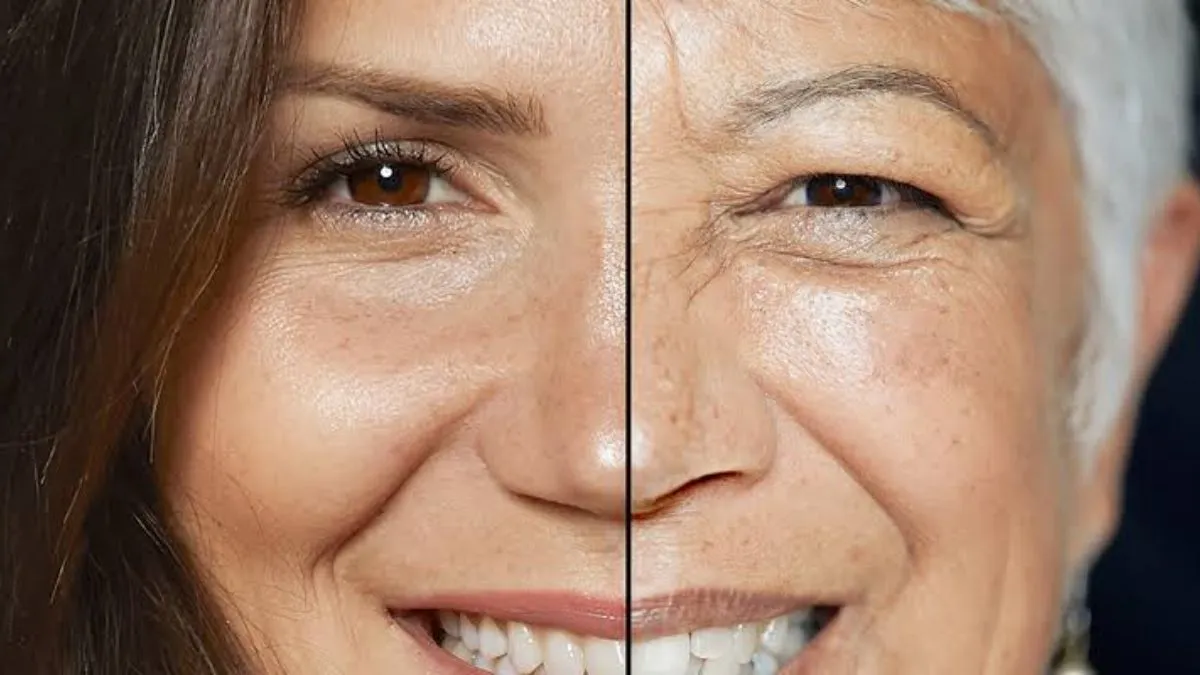
Most of us count our age by birthdays. That number is your chronological age. But your body may not agree with it. Some people feel and function younger than their years. Others feel older. This gap has led scientists to talk about biological age. Today, tests promise to measure it, and many people want to know their number. But what does it really mean? And can you trust it? This guide explains the difference in simple words. It also shares what experts and recent studies say.
Biological Age vs Chronological Age: What Is the Difference?
Prof Dr SM Fayaz, Lead and Senior Consultant, Internal Medicine, KIMS Hospitals, Mahadevapura says, "Chronological age is the number of years since you were born. Biological age is an estimate of how old your body works, based on the health of your cells, organs and systems."
Chronological Age |
Biological Age |
|
Meaning |
Years since birth |
How old your body works |
Based on |
Birth date |
Health of cells, organs and systems |
Can it change? |
No |
Yes, higher or lower than real age |
Shaped by |
The calendar |
Genes, habits and environment |
Measured by |
Counting |
Epigenetic clocks, blood markers, wearables |
Reliability |
Exact |
An estimate, and tests can differ |
He adds, "Two people who are both 45 can have very different biological ages."
Why Can Your Biological Age Differ From Your Real Age?
"Your genes set part of the pace. Your habits and environment set much of the rest," explains Dr Fayaz.
Over the years, cells collect damage. Their repair slows down. Chemical tags on DNA, called methylation marks, also shift in set patterns. Scientists read these patterns as "epigenetic clocks" to estimate biological age.
ALSO READ- Can You Get Tanned In Winter? Here's Why Cold Weather Does Not Protect Your Skin
What Speeds Up or Slows Down Biological Ageing?
Dr Fayaz notes, "Your habits and environment set much of the rest."
Speeds it up:
- Smoking and heavy drinking
- Poor sleep and long-term stress
- Inactivity, obesity and a poor diet
- High blood sugar and air pollution
Slows it down:
- Regular exercise and a plant-rich diet
- Good sleep and a healthy weight
- Not smoking
- Strong social ties and stress control
Can You Improve Your Biological Age?
Prof Fayaz says, "Possibly, but the evidence is early." A 2023 study in Nature Aging tested this. The trial gave 220 adults either a 25% calorie cut or a normal diet for two years. The calorie cut slowed the pace of ageing, measured by a tool called DunedinPACE. This tool shows how fast the body is ageing each year.
But other clocks, such as PhenoAge and GrimAge, showed no significant change. The authors wrote, "Treatment effect sizes were small." The lead team also said calorie cutting is probably not for everyone.
How Is Biological Age Measured, and Can You Trust the Tests?
Prof Fayaz cautions, "Different tests measure different things, so two tests can give two different numbers without either being wrong."
Common methods include:
- Epigenetic clocks, which read DNA from blood or saliva
- Blood marker scores, such as sugar, cholesterol and inflammation
- Wearables that track heart rate, sleep and activity
- Clinical checks, such as grip strength, waist size and fitness
Biological Age Test vs Health Markers: What Matters More?

Prof Fayaz says of markers your doctor already checks, "Improving these is what slows ageing, whatever a test says."
Watch these numbers:
- Blood pressure
- Blood sugar and cholesterol
- Waist size and weight
- Fitness, such as climbing stairs with ease
- Sleep, mood and energy
- Family history
How to Lower Your Biological Age: Simple Habits That Work
"Habits matter most, and consumer tests are not yet reliable enough to guide decisions on their own," says Prof Fayaz.
- Move for 150 minutes a week. Add strength work twice weekly.
- Eat more vegetables, fruit, pulses, nuts and whole grains.
- Sleep 7 to 9 hours.
- Stop smoking and limit alcohol.
- Manage stress and stay connected with people.
- Get regular check-ups.
ALSO READ- Can Snoring Be Linked to High Blood Pressure? A Doctor Answers
When to See a Doctor
Prof Fayaz concludes, "Biological age is how old your body behaves, and it can be higher or lower than your birthday age."
See a doctor if you:
- Have high blood pressure, diabetes or a strong family history
- Feel unusually tired, or notice changes in weight, sleep or memory
- Are over 40 and have had no health check in the past year
FAQ
1. What is the difference between biological age and pace of ageing?
Think of a car. Biological age is like the odometer. It shows how much wear has built up. Pace of ageing is like the speedometer. It shows how fast you are ageing now.2. Do all my organs age at the same speed?
Not always. Organs inside the body age at different speeds. Its blood test estimated the "biological ages" of 11 organ systems.
All possible measures have been taken to ensure accuracy, reliability, timeliness and authenticity of the information; however Onlymyhealth.com does not take any liability for the same. Using any information provided by the website is solely at the viewers’ discretion. In case of any medical exigencies/ persistent health issues, we advise you to seek a qualified medical practitioner before putting to use any advice/tips given by our team or any third party in form of answers/comments on the above mentioned website.
How we keep this article up to date:
We work with experts and keep a close eye on the latest in health and wellness. Whenever there is a new research or helpful information, we update our articles with accurate and useful advice.
-
Current Version
Nov 26, 2026 18:01 IST
Published By : Vivek Kumar
Reviewed By : Prof Dr S M Fayaz